
The cost of a fully trained guard dog can range widely, generally starting from a few thousand dollars for a basic level of training and escalating to upwards of \$50,000 or even \$100,000 for an elite, fully operational personal protection dog with extensive socialization and proofing.
Training a protection dog is far more than just teaching a dog to bark or bite on command. It is a highly specialized field that demands significant time, expert knowledge, and vast resources. Deciphering the price range for personal protection dogs involves looking past the initial purchase price and grasping the total specialized dog training investment required to create a reliable canine partner.
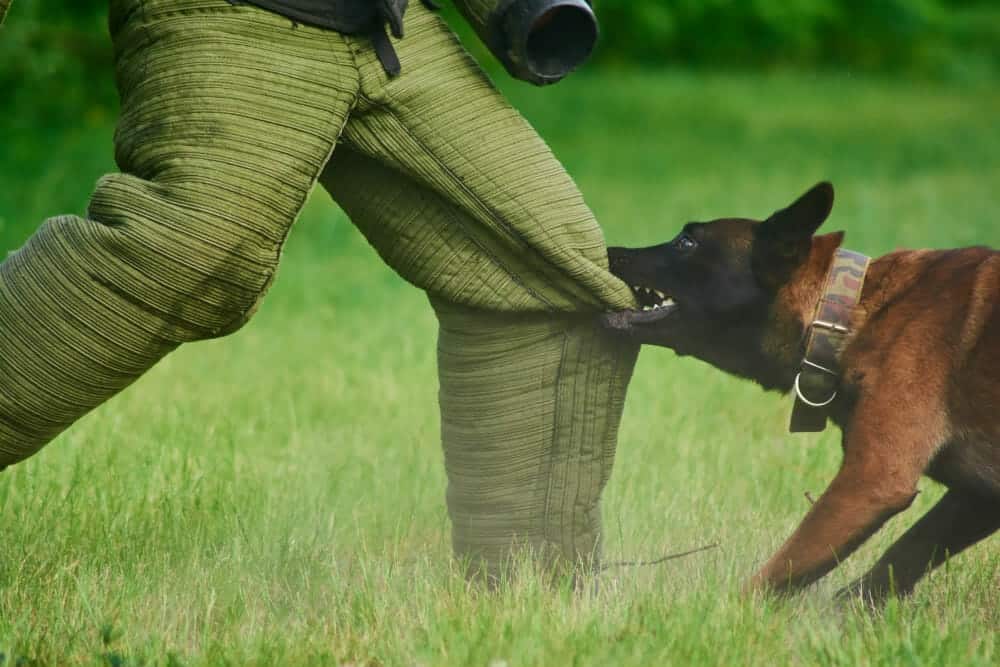
Image Source: scottsk9.com
Grasping the Total Cost: What Drives Protection Dog Training Expenses?
The final price tag attached to a fully trained protection dog price tag reflects a multitude of inputs. It is not a simple transaction; it’s an investment in personal security dogs that pays dividends in peace of mind. Several major cost centers contribute to the final figure.
The Puppy Selection and Early Development
The journey begins long before formal protection work starts. Top-tier protection dogs often come from specific bloodlines known for stable temperaments, high drives, and excellent health.
Bloodlines and Genetics
Reputable breeders who focus on producing working-line dogs incur high costs. They invest heavily in health testing (hips, elbows, eyes, heart) and temperament evaluations for parent dogs.
- Breeding Costs: Stud fees, artificial insemination, and caring for the litter.
- Health Clearances: Extensive veterinary testing before breeding.
- Initial Acquisition: Even before formal training, acquiring a puppy from proven working parents can cost \$3,000 to \$8,000.
Early Socialization and Foundation Training
The first year of a working dog’s life is crucial. This phase focuses on building a bomb-proof temperament. A poorly socialized dog, no matter how well trained later, is a liability.
- Exposure Work: Taking the puppy to busy places like malls, parks, and construction sites. This constant, positive exposure builds confidence.
- Obedience Foundation: Teaching basic and advanced obedience commands flawlessly under high distraction. This forms the bedrock of all subsequent protection work. This early phase can easily involve hundreds of hours of dedicated trainer time.
The Specialized Training Phase (K9 Protection Dog Pricing Factors)
This is where the bulk of the protection dog training expenses occur. Training a dog for personal protection moves far beyond standard service dog work or pet obedience.
Trainer Expertise and Certification
The skill of the handler/trainer directly impacts the dog’s performance and, therefore, the cost. Elite trainers often have international certifications (like Schutzhund/IGP, PSA, or specific police/military K9 backgrounds).
- High Demand: Highly sought-after trainers charge premium rates because their results are predictable and reliable.
- Continuous Education: Top trainers must constantly update their skills to keep pace with modern training methodologies and security threats.
Training Equipment and Facilities
Training requires specialized, durable, and often custom-made equipment.
- Bite Suits and Sleeves: High-quality protective gear used for bite work is expensive and needs frequent replacement as dogs mature and bite pressure increases. A full bite suit can cost \$2,000 to \$5,000 alone.
- Training Grounds: Access to secure, varied training locations—from quiet neighborhoods to industrial settings—is essential. Maintaining these facilities adds to the cost to raise and train a working dog.
The Stages of Protection Training
The training process is systematic and lengthy, ensuring the dog understands control and escalation.
- Prey Drive Development: Encouraging the dog’s natural desire to engage with the bite equipment.
- Control Work: This is the most critical element. The dog must learn to stop on command instantly, even when highly aroused. This proves the dog is a tool, not a liability.
- Scenario Proofing: Training the dog in realistic scenarios (e.g., home invasion, carjacking defense, unexpected aggression). This requires hiring decoys who are trained professionals themselves.
Ongoing Maintenance and Certification
A protection dog is never truly “finished.” Even after delivery, the dog requires maintenance training to keep skills sharp.
- Handler Training: The buyer must be trained to handle the dog safely and effectively. This can take weeks. If the new owner requires extensive ongoing coaching, this adds to the initial investment in personal security dogs.
- Re-Certification: Reputable trainers often require or recommend annual check-ups to ensure the dog remains compliant and safe.
Comparing Training Levels and Associated Costs
The K9 protection dog pricing varies significantly based on what the dog is trained to do. Buyers must clearly define their needs to avoid overpaying for unnecessary skills or underpaying for insufficient protection.
Here is a simplified breakdown of typical training tiers:
| Training Tier | Description of Skills | Estimated Cost Range (USD) | Timeframe |
|---|---|---|---|
| Companion Guard Dog | Excellent obedience; moderate bark and challenge alert; very limited to no controlled defense work. Good for deterrence. | \$5,000 – \$15,000 | 4 – 8 Months |
| Personal Protection Dog (PPD) | Solid obedience, high drive, reliable alert, controlled defense against a singular, clear threat, excellent socialization. | \$20,000 – \$45,000 | 10 – 18 Months |
| Executive/Dual Purpose K9 | Trained for both personal defense and potential apprehension tasks; extensive scenario proofing; often cross-trained in tracking or detection basics. | \$45,000 – \$75,000+ | 18 – 30 Months |
| Elite Protection Dog | World-class control, performance under extreme stress, perfect recall, highly specialized threat response, often used by celebrities or high-net-worth individuals. | \$75,000 – \$150,000+ | 2+ Years |
These figures represent the cost of the dog after it has achieved proficiency. Buying a puppy and having it trained by the same facility over two years is usually the most straightforward path but requires the highest upfront commitment.
Factors Affecting Protection Dog Cost
Why is the range so massive? Several key factors affecting protection dog cost determine where a specific dog falls on the spectrum.
Breed Selection
Certain breeds are naturally predisposed to protection work and command higher prices due to demand and inherent suitability.
- High Value Breeds: German Shepherds, Belgian Malinois, Dobermans, and Rottweilers, especially those imported from top European working kennels, command premium prices.
- Rarity: Dogs from extremely rare or proven championship bloodlines will cost more simply due to scarcity.
Temperament and Drive Level
A dog that is too timid is useless; a dog that is too aggressive (unstable) is dangerous. Trainers look for the “sweet spot”—a dog with high drive balanced by excellent nerve strength. Finding this specific temperament takes time and often means passing over many candidates. The dogs that naturally possess this balance are inherently more valuable.
Level of Proofing and Realism
A dog trained only on a practice field with a friendly decoy is far less expensive to produce than one proofed against numerous variables:
- Different looking decoys (age, size, gender).
- Different environments (dark, loud, confined spaces).
- Varying levels of threat presentation (e.g., surprise attack versus verbal challenge).
The more comprehensive the proofing, the higher the K9 protection dog pricing.
Age of Acquisition
Buying a young adult dog (12-18 months old) that has already completed basic specialized training is often more expensive upfront than buying a puppy and waiting two years for results. The price incorporates the sunk cost of the trainer’s time already invested.
Documentation and Provenance
Dogs that come with extensive training records, video proof of their capabilities, and clear lineage documentation command a higher price. This documentation offers buyers confidence in the investment they are making.
The Cost to Raise and Train a Working Dog: Beyond the Price Tag
It is crucial for prospective buyers to look past the sticker price and consider the long-term commitment. The true cost to raise and train a working dog involves much more than just the purchase price.
The Hidden Costs for the Owner
Even after the initial purchase, the owner incurs significant, recurring costs associated with owning a highly trained animal.
- Veterinary Care: Working dogs often require higher-quality food and more rigorous preventative care. Injuries sustained during training or real-life application may require specialized orthopedic care.
- Training Maintenance: Protection work degrades without practice. Owners should budget for regular refresher courses or private lessons (at least monthly) to maintain proficiency. These ongoing lessons are a necessary part of the investment in personal security dogs.
- Insurance and Liability: Depending on the jurisdiction, owning a protection dog may require specific liability insurance riders, which adds to annual household expenses.
Lifetime Value vs. Initial Price
While a \$30,000 dog seems costly compared to a \$1,500 pet, the value proposition changes when viewed through the lens of security.
- A highly trained dog acts as a deterrent, potentially preventing a costly home invasion or assault.
- A well-trained protection dog offers instant, immediate protection when police response times are slow.
Therefore, discerning buyers often see the elite protection dog purchase price not as an expense, but as a significant upgrade to their family’s security system, one that can move, react, and defend.
Deciphering the Training Process: Why It Takes So Long and Costs So Much
Why can’t a competent trainer produce a reliable protection dog in six months? The answer lies in behavior modification and impulse control under extreme arousal.
Building Drive Versus Building Control
A common mistake made by inexperienced trainers is focusing solely on the bite (drive). It is relatively easy to make a dog bite. It is incredibly difficult to teach a dog to bite only when commanded and stop instantly when told to release, even when the decoy is actively fighting back.
The Arousal Curve
Effective protection training involves bringing the dog up the “arousal curve”—making them highly motivated and ready to engage—and then teaching them to toggle that arousal off with a single word. This psychological control takes months of patient repetition under varying conditions.
- Repetition: Commands must be repeated hundreds of times in training to ensure they hold true in a high-stress real-world situation.
- Decoy Consistency: The decoys used must be consistent in their movements and aggression to ensure the dog doesn’t learn to respond only to one person’s cues.
The Legal and Ethical Component
Professional trainers must also navigate the ethical line between protection and aggression. A dog that bites inappropriately (at the mail carrier, a guest, or during a misunderstanding) is a legal nightmare. A significant part of the protection dog training expenses covers ensuring the dog understands the difference between a perceived threat and normal behavior. This is where meticulous socialization and handler training become non-negotiable.
FAQ on Protection Dog Costs
What is the difference between a personal protection dog and a police K9?
Police K9s are primarily trained for apprehension and control of suspects, often using binding or gripping techniques. Personal protection dogs (PPDs) are trained to defend their handler/family from an imminent, life-threatening attack. PPDs must have superior manners and control in public, as they are family pets first.
Can I save money by training my own dog for protection?
While you can train obedience and some defensive behaviors, achieving the reliability, control, and proofing required of a true protection dog without professional guidance is extremely risky and often results in a dangerous liability rather than a security asset. The cost to raise and train a working dog correctly is steep due to the specialization required.
Are there payment plans available for buying a protection dog?
Many reputable kennels recognize the high cost and offer payment plans that spread the cost of a fully trained guard dog over several months, often while the dog is still completing its training.
Does the breed significantly impact the elite protection dog purchase price?
Yes. While highly capable dogs exist in many breeds, established working lines of Malinois and Shepherds from European sport or police backgrounds carry a premium due to their proven track records and genetic consistency, pushing the elite protection dog purchase price higher.
What should I do if a price seems too low?
If a price for a fully trained protection dog seems dramatically lower than the established market rates (e.g., under \$15,000 for a dog advertised as fully trained), be extremely cautious. This often indicates superficial training, poor temperament, or incomplete socialization, meaning you are buying a large problem instead of an investment in personal security dogs.