
Can I stop my dog from whining in the crate? Yes, you absolutely can stop a dog from whining in the crate by using patience, consistency, and proven positive training methods. Whining is often a sign of unmet needs, stress, or a lack of proper habituation to the crate environment.
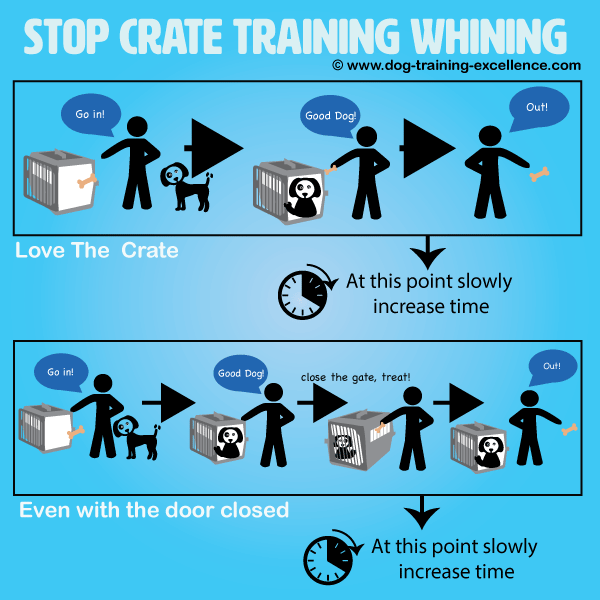
Image Source: www.dog-training-excellence.com
Deciphering Why Your Dog Cries in the Crate
Before you can fix the problem, you must know why the dog is making noise. Crate training whining is rarely done just to annoy you. It’s communication. Grasping the root cause is the first step to finding a real fix.
Common Reasons for Crate Whining
Dogs whine for several key reasons when confined. Identifying the right one guides your next steps.
- Separation Anxiety: This is a big one. The dog fears being alone. They panic when they cannot see or reach you. This often leads to intense, continuous dog whining in crate when left alone.
- Need to Potty: If your dog has had too much water or food before bedtime, or if they are house-trained but not fully trusting of the crate yet, they will whine to go outside.
- Boredom or Excess Energy: A tired dog is a quiet dog. If they haven’t had enough exercise, they will use the crate time to protest their boredom.
- Unmet Comfort Needs: The crate might be too cold, too hot, too hard, or they might miss familiar smells. This affects how to make crate comfortable for dog.
- The Crate is a Punishment: If the crate has ever been used for time-outs or discipline, the dog associates it with negative feelings.
- Crate Regression Whining: This happens when a dog who was fine suddenly starts protesting again, often due to a change in routine (like a new baby or owner’s work schedule).
Separating Whining Types
Not all whining sounds the same. Listen closely to help diagnose the issue.
| Whine Type | Sound Description | Likely Cause |
|---|---|---|
| High-Pitched & Urgent | Quick, sharp, distressful sounds. | Immediate need (potty) or high anxiety. |
| Low & Persistent | Long, drawn-out moans or low-frequency vocalization. | Boredom or mild discomfort. |
| Panic Barking/Howling | Loud, frantic noises mixed with scratching. | Severe separation anxiety. |
| Negotiating Whine | Short, soft whines when you approach the door. | Testing boundaries; learning that whining gets results. |
Building a Solid Foundation with Positive Crate Training
Effective crate training relies on making the crate a safe haven, not a jail cell. This is the core of positive crate training.
Making the Crate a Happy Place
The physical space matters a lot for keeping a dog quiet. You must focus on how to make crate comfortable for dog.
- The Right Size: The crate should be big enough for the dog to stand up, turn around easily, and lie down fully stretched out. If it’s too big, the dog might use one end as a bathroom. Some crates come with dividers to adjust the size as the puppy grows.
- Soft Bedding: Use safe, comfortable bedding. Avoid blankets or toys that the dog might ingest if they become overly stressed or start crate chewing and whining. Chew-proof rubber mats or durable, washable beds are often best.
- Safe Temperature: Ensure the crate is not in a drafty hallway or direct sunlight. A comfortable temperature helps keep the dog relaxed.
- Add High-Value Items: Place safe chew toys, like KONGs stuffed with frozen peanut butter or lick mats, inside. These items occupy the dog and associate the crate with delicious things.
Gradual Introduction Techniques
Never force a dog into a crate. The introduction must be slow and enjoyable.
- The Feeding Game: Feed all meals inside the open crate. Start by placing the bowl just inside the doorway. Then, move it further back each day until they eat comfortably inside.
- Short Sessions: Start with the door open. Toss a favorite toy in. Let them go in and out freely. When they go in willingly, gently close the door for just one second, then immediately open it and reward them.
- Building Duration: Slowly increase the time the door is closed—one second, five seconds, ten seconds. Always come back before the dog starts whining intensely. If they start whining, wait for a brief silence before releasing them. Releasing them mid-whine teaches them that whining works.
Strategies to Stop Dog Crying in Crate During the Day
Daytime whining often relates to boredom or the dog wanting access to you while you are busy. Here is how to manage the noise when you are home.
Ignoring Mild Whining for Boundary Setting
If you know the dog is safe, comfortable, and doesn’t need to potty, you must ignore protest whining. This is crucial to break the cycle of crate training whining.
- The Silence Rule: Wait for a break in the noise. Even a half-second pause is enough. Immediately offer praise or a small, quiet reward when the silence occurs.
- Timing is Everything: If you let the dog out while they are actively crying, you teach them, “Noise equals freedom.” Be disciplined. This takes immense patience, especially when you want the noise to stop now.
- Avoid Eye Contact or Talking: Any acknowledgment—even a stern “No!”—can reinforce the behavior because the dog just wanted your attention.
Increasing Engagement Before Crating
A dog that has had its needs met is less likely to complain.
- Pre-Crate Exercise: Ensure your dog gets vigorous physical exercise before crating time. A good walk, fetch session, or training drills will make them more likely to settle down.
- Mental Stimulation: Mental work tires a dog out faster than physical work. Spend 15 minutes on obedience practice or puzzle toys right before the confinement session. This helps prevent crate chewing and whining born from pent-up energy.
Using Enrichment Tools
Enrichment tools are vital for keeping a dog occupied during quiet time.
- Durable Chews: Offer items that take a long time to finish, like frozen puzzle toys or dental chews. These should only be available when the dog is in the crate.
- Calming Music: Some dogs respond well to classical music or specific dog-calming sound tracks played softly in the crate area.
Managing Crate Whining When You Leave (Separation Anxiety Focus)
When the whining happens only when you depart, you are likely dealing with crate training tips for separation anxiety. This requires a different approach than simple boredom.
Desensitization to Departure Cues
Dogs learn the routine of you leaving (keys jingle, shoes go on, coat picked up). These become anxiety triggers.
- Practice Fake Exits: Pick up your keys, walk to the door, and immediately sit back down. Do this ten times, then ignore the keys. Repeat until the dog shows no reaction.
- Separating Cues: Practice putting on your shoes but staying inside for an hour. Practice grabbing your coat but then making dinner. Break the sequence that leads to your exit.
The “Not a Big Deal” Departure
Your exit and return must be low-key events.
- The Quiet Goodbye: Do not make a huge fuss saying goodbye. A quick, calm pat is all that is needed, or nothing at all.
- The Calm Return: When you get back, ignore your dog for the first minute or two while they are frantic. Wait until they settle slightly before calmly greeting them. This reduces the emotional spike associated with your return, which lessens the anxiety leading up to your departure.
Addressing Severe Anxiety
If the dog damages the crate, urinates, or is frantic the entire time, this moves beyond basic training. This level of distress requires significant focus on crate anxiety remedies.
- Consult a Professional: A certified professional dog trainer (CPDT-KA) or a veterinary behaviorist may be needed for severe cases. They can design a tailored protocol.
- Pheromone Diffusers: Products like Adaptil release synthetic calming dog pheromones that can help create a more relaxed atmosphere in the crate area.
- Anti-Anxiety Aids: In some cases, a veterinarian may prescribe temporary anti-anxiety medication to lower the dog’s baseline stress level, allowing training to be more effective.
Ensuring Quiet Overnight Stays
Calming dog in crate overnight requires setting the stage for success before bedtime. Nighttime whining is often about needing to potty or being unsettled by darkness/isolation.
Establishing a Predictable Bedtime Routine
Consistency is key to helping your dog anticipate and accept the nighttime confinement.
- The Wind-Down: About an hour before lights out, stop active play. Dim the lights and encourage quiet time, like gentle petting or light chewing on a safe bone.
- Last Call Potty Break: Ensure a very thorough potty break right before putting the dog in the crate for the night. If it’s a puppy, expect a middle-of-the-night break still.
- Crate Location: For many dogs, moving the crate into your bedroom (or very close by) helps tremendously at first. If the dog can hear you breathing and sleeping, they feel less abandoned. Once they sleep soundly through the night, you can slowly move the crate to its permanent location.
Troubleshooting Nighttime Whines
If the dog whines in the middle of the night, handle it carefully to avoid reinforcing noise.
- Potty Check First: If the whine seems urgent, take the dog out immediately on a leash for a quick, quiet potty break. Do not play or cuddle. Back inside and straight back into the crate. This confirms you are addressing a need, not rewarding noise.
- Ignoring Boredom Whines: If you are certain the dog doesn’t need to potty (based on recent feeding/drinking), ignore the whining. If they learn that whining at 3 AM gets them out to play, they will repeat this behavior. Wait for quiet before acknowledging them, even if it takes a while.
Troubleshooting Specific Problem Behaviors
Sometimes the whining is linked to a specific physical reaction in the crate.
Addressing Crate Chewing and Whining
Chewing often shows higher levels of distress or boredom than simple whining.
- Safety First: If your dog is chewing the crate bars or the walls, they are at risk of injuring their teeth or swallowing plastic/metal pieces.
- Increase Enrichment: As mentioned, the dog needs high-value, long-lasting chews only available in the crate.
- Tougher Crates: If necessary, switch to a heavy-duty wire crate or a solid plastic crate if the dog is destroying softer crates.
- Management, Not Training: If chewing is severe, you might need to skip crating until you can address the underlying anxiety through professional help.
Dealing with Crate Regression Whining
Crate regression whining occurs when a dog who previously loved the crate suddenly hates it. This almost always relates to a recent change in routine or environment.
- Identify the Change: Did a family member leave? Did you change work hours? Did you get a new pet? Pinpoint the start date of the regression.
- Revert to Basics: Go back to Step 1 of positive crate training. Make the crate appealing again with high-value treats and very short durations. Do not try to force them back to the old routine instantly. Go slow and make every entry positive again.
- Address the New Stressor: If the regression is due to a schedule change, spend extra focused, high-quality time with the dog when you are home to compensate for the change in your availability.
Training Tools and Their Proper Use
Certain tools can help manage whining, but they are supports, not fixes. They cannot replace good training.
Time Management Aids
| Tool | Purpose in Managing Whining | Caution |
|---|---|---|
| Exercise Pens (X-Pens) | Useful for initial training phases where a full crate feels too confining. | Dogs can learn to escape these easily if they have high energy. |
| Crate Covers (Blankets) | Helps create a den-like, darker environment. Good for dogs who get overstimulated easily. | Ensure ventilation is excellent. Do not use if the dog pulls blankets into the crate. |
| Interactive Feeders (KONGs) | Keeps the dog busy for long periods, directly combating boredom-related whining. | Only give these specific items in the crate to increase their perceived value. |
What to Avoid When Trying to Stop Whining
Some common reactions actually make the problem worse. Avoid these mistakes at all costs.
- Never Use the Crate as Punishment: If the crate becomes associated with time-outs, the dog will always resist going in.
- Do Not Rush Releases: Letting the dog out while they are mid-cry reinforces the noise. Wait for quiet, even if it feels like forever.
- Avoid Over-Comforting Before Departure: Excessive baby talk or long goodbyes raise the dog’s anxiety level before you even leave the room.
Five Steps to Immediate Quieting During a Whine Episode
If you need to stop the whining right now (perhaps you have visitors or are on a critical work call), try this sequence:
- Assess Need: Quickly check if the dog needs to potty. If yes, take them out calmly.
- Toss a High-Value Item: If potty is not the issue, toss a pre-prepared, irresistible chew item into the crate. This interrupts the whining pattern with a positive focus.
- Wait for Quiet: If the chew doesn’t work, wait for the briefest moment of silence.
- Quiet Acknowledgment: When silence hits, toss a very small, low-value treat through the wire, or give a soft verbal “Good,” then immediately walk away. Do not open the door yet unless the silence is sustained.
- Sustain Silence: Continue ignoring the noise until you are ready to let the dog out for a scheduled break, ensuring that the release is always quiet and calm.
Frequently Asked Questions (FAQ) About Crate Whining
How long should I wait before letting my dog out if they whine?
If you are certain the dog does not need the bathroom, you must wait for a quiet moment. This might be just a second of silence, which you immediately reward with a quiet “Good” and then resume ignoring. If you wait five minutes and the dog is still whining intensely, calmly take them out for a potty break, but immediately return them to the crate when they are done. Never let them out while they are actively crying, as this rewards the noise.
My puppy cries the moment I leave the room. Is this separation anxiety?
For puppies under 4-5 months old, some crying upon initial separation is normal adaptation stress. However, if the crying is instant, frantic, and continuous, it points toward crate training tips for separation anxiety. Start by practicing very short departures (seconds) while the puppy is engaged with a toy in the crate. Slowly build up the duration, always returning before the panic sets in.
My dog is whining, but they are also chewing the crate. What should I do?
This is a dangerous combination. Stop allowing access to items they can destroy or ingest. Immediately increase the dog’s physical and mental exercise before crating. Severe chewing and whining might mean the crate is currently too stressful. You may need to use an exercise pen or keep the dog in the same room as you temporarily while you work on calming techniques, such as using crate anxiety remedies or consulting a trainer.
Can I use a crate cover to stop my dog from whining overnight?
A crate cover can definitely help some dogs, especially those bothered by shadows or movement in the room, aiding in calming dog in crate overnight. It helps mimic a safe, dark den. However, if the dog whines because they are too hot or too cold, a cover can trap the air and worsen the discomfort. Ensure the room temperature is moderate before using a cover.