
How long does a dog X-ray take? A typical, straightforward dog X-ray procedure time, from positioning the pet to capturing the final image, usually takes about 5 to 15 minutes. However, the total veterinary X-ray appointment length can be much longer, sometimes stretching to an hour or more, depending on many factors.
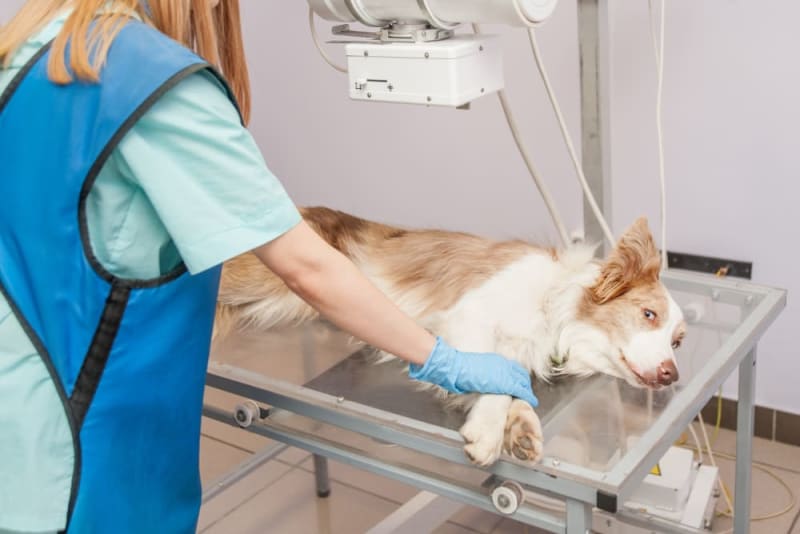
Image Source: d2zp5xs5cp8zlg.cloudfront.net
Grasping the Span of a Canine Radiology Session Duration
When you take your dog to the vet for X-rays, you might wonder how much of your day it will take. It is not just about the quick ‘snap’ of the machine. The entire canine radiology session duration involves several steps. Knowing these stages helps set realistic expectations for the time required for pet X-ray.
The Quick Capture: How Fast is a Dog X-Ray Taken?
The actual exposure time—the moment the X-ray beam passes through your dog to create the image—is incredibly brief.
- Exposure Time: This is often less than one second, sometimes just a fraction of a second (milliseconds).
- Why So Fast? Speed is vital. A fast exposure reduces the chance of movement blur. Any slight shift by your dog results in a fuzzy picture. Clear pictures mean better diagnosis.
Even though the exposure is fast, preparing for that exposure takes time. This preparation is why the overall dog imaging scan time is longer than just the few seconds of radiation.
Key Stages Affecting Total Time
Several steps build up the total veterinary X-ray appointment length. Think of it as a short assembly line for getting the perfect picture.
1. Arrival and Paperwork
First, there’s the usual check-in. If this is a specialized procedure or a referral, you might have paperwork to sign. This initial step can vary widely based on the clinic’s busy schedule.
2. Initial Assessment and Preparation
The vet or technician needs to see your dog. They check why the X-ray is needed. They talk to you about the process. This helps them plan the best angles. This stage ensures everything is set up safely.
3. Positioning the Patient
This is often the longest part before the actual exposure. Dogs rarely stand still perfectly for a picture.
- Cooperation Level: A calm, cooperative dog might be positioned quickly.
- Movement Issues: A dog in pain or an anxious dog needs gentle, slow handling. Technicians must use careful techniques to get the required view. This meticulous effort adds to the typical time for dog radiograph studies.
4. Capture and Review (Immediate)
Once the image is taken, the technician usually checks the digital image right away. They look for:
- Proper alignment.
- Exposure level (not too dark or too light).
- Clarity (no blur from movement).
If the image is not good, they must repeat the positioning and capture process. This is a main reason why the Dog X-ray time explained varies so much.
5. Image Processing and Interpretation
After a successful capture, the images are processed. Then, the veterinarian must review them. For complex cases, the images might be sent to a specialist radiologist for a second opinion. This follow-up time is outside the immediate capture window but affects when you get results.
Deciphering Factors Affecting Dog X-Ray Duration
What makes one dog’s X-ray quick and another’s a long process? Many factors affecting dog X-ray duration come into play. These variables dictate whether you are looking at a 10-minute visit or an hour-long commitment.
The Role of Sedation Time for Dog X-Ray
This is the biggest variable affecting the time required for pet X-ray. Sometimes, a dog needs mild sedation or full anesthesia to keep them perfectly still.
| Reason for Sedation | Impact on Time | Details |
|---|---|---|
| Severe Pain | Increases time significantly | A dog hurting from a broken bone will not hold still easily. Sedation ensures safety and good images. |
| High Anxiety/Fear | Adds moderate time | Nervous dogs might need light calming drugs before they can be handled. |
| Complex or Multiple Views | Often requires sedation | Hip or spine X-rays often demand precise positioning that is impossible if the dog is moving. |
| Routine Shots (e.g., chest) | Usually sedation-free | Simple shots on a cooperative, healthy dog are typically done awake. |
Sedation Time for Dog X-Ray involves more than just giving the drug. It includes:
- Pre-Sedation Check: Ensuring your dog is a good candidate for the medication.
- Induction Time: The time it takes for the medication to start working.
- Monitoring: Constant checks while the drug takes full effect.
- Recovery: Time needed after the procedure before your dog is fully alert enough to go home.
If sedation is needed, the total dog imaging scan time can easily double or triple the time spent just taking pictures.
Size and Cooperation of the Dog
A tiny Chihuahua is much easier to position than a Great Dane.
- Small Dogs: They can often be supported by props (like foam wedges) or held carefully by a trained technician (wearing protective gear). Positioning is faster.
- Large Dogs: Getting a heavy, large dog into the exact lateral (side) or dorsal (back) recumbency takes more physical effort and time from the staff.
A non-cooperative, large dog often necessitates the use of sedation to prevent injury to the dog or the staff.
Type of Study Being Performed
The complexity of the image request changes the typical time for dog radiograph.
- Simple Views: Checking for a foreign object in the stomach might only need one or two views from different angles. This is very fast.
- Orthopedic Surveys: X-rays for issues like hip or elbow dysplasia require extremely precise positioning to meet international standards (like those used by the Orthopedic Foundation for Animals, or OFA). Achieving this perfect alignment takes much longer than a standard chest X-ray.
Equipment Quality
Modern digital radiography (DR) systems are much faster than older film-based systems.
- Digital Systems: Images appear almost instantly on the screen. If the first shot is bad, they can immediately retake it. This speeds up the process significantly.
- Older Systems: Film needed to be physically taken to a darkroom for development, adding a waiting period before reviewing the quality.
The Procedure Flow: Step-by-Step Timeline Breakdown
To give a clearer picture of the Dog X-ray time explained, here is a generalized timeline for a non-sedated, cooperative dog needing a basic chest X-ray.
| Stage | Estimated Time Range | Notes |
|---|---|---|
| Check-in & History Review | 5 – 10 minutes | Confirming details and consent. |
| Initial Positioning & Setup | 2 – 5 minutes | Moving the dog onto the table, setting up shields. |
| First Exposure (View 1) | Less than 1 minute | Includes centering the beam and the millisecond exposure. |
| Immediate Digital Review | 1 – 2 minutes | Technician checks if the view is good. |
| Repositioning for View 2 (e.g., lateral to dorsoventral) | 2 – 4 minutes | Moving the dog to the second angle. |
| Second Exposure (View 2) | Less than 1 minute | Second capture. |
| Final Check & Discharge Prep | 3 – 5 minutes | Cleaning the table, getting your dog ready to leave. |
| Total Active Time | 13 – 27 minutes | This is the time the dog is actively involved in the X-ray process. |
This short window applies only when things go smoothly and no sedation is required. This timeframe shows how fast is a dog X-ray taken when preparation is minimal.
The Impact of Complicated Cases on Time
Consider a scenario where a dog has a suspected pelvic fracture.
- Pain Management: The dog might need an injection for pain relief first. (15-30 minutes waiting for effect).
- Sedation: Mild sedation is likely required for safe positioning. (20-40 minutes for induction and monitoring).
- Views: Multiple, precise views of the pelvis are needed, often requiring support tools. (10-20 minutes of focused positioning).
- Post-Procedure Time: The dog must wake up slowly in a quiet recovery area. (30 minutes to 2 hours, depending on the drug used).
In this scenario, the sedation time for dog X-ray and recovery dominates the total appointment, extending the client’s wait significantly.
Post-Procedure Time for Dog X-Ray and Results
Once the images are captured, your interaction with the clinic might still not be over. The post-procedure time for dog X-ray relates to getting the final diagnosis.
Immediate Results vs. Specialist Review
- Immediate Read: If your regular veterinarian reads the X-ray immediately, you may receive preliminary results before you leave the clinic, especially if it is a simple fracture or foreign body check.
- Radiologist Consultation: For complex internal issues (lung disease, subtle bone lesions, cancer staging), the images are often sent to a board-certified veterinary radiologist. This external review adds time, often 24 to 72 hours.
The time it takes to get the final report is separate from the Dog X-ray procedure time itself. Always ask the clinic about their typical turnaround time for image interpretation.
Safety Considerations and Their Effect on Timing
Safety protocols are non-negotiable in radiology. These protocols, while adding a few minutes, are essential to protect your pet and the staff.
Shielding and Dosing
Technicians meticulously place lead shields (like small aprons or thyroid collars) on your dog for views where radiation might scatter unnecessarily. Placing these shields correctly takes a moment but ensures minimal radiation exposure to sensitive organs.
Staff Efficiency and Training
Highly trained veterinary staff are efficient. They know exactly which tools (foam blocks, sandbags) to grab and where to place the dog quickly. This efficiency directly shortens the canine radiology session duration. Less experienced staff may need more time for setup, testing exposure settings, and confirming positions.
Comparison: Awake vs. Sedated X-Ray Duration
To emphasize the difference in time required for pet X-ray, consider this comparison table focusing on the active time the pet is being manipulated for the X-ray.
| Procedure Type | Typical Active Manipulation Time | Primary Reason for Duration |
|---|---|---|
| Simple Single View (Awake) | 5 – 10 minutes | Quick positioning of a calm dog. |
| Two-View Study (Awake) | 10 – 20 minutes | Includes minor repositioning between shots. |
| Complex Orthopedic Study (Sedated) | 15 – 30 minutes (Active) + Sedation time | Precision positioning often requires the patient to be deeply relaxed or under anesthesia. |
| Emergency Abdominal Series (Often Sedated/Stressed) | 20 – 45 minutes | Dealing with severe pain, instability, and multiple required views. |
It is important to remember that the listed times are for the active imaging process. Total appointment time must include check-in, paperwork, and post-procedure monitoring, especially when dealing with sedation.
Improving the Speed of Your Dog’s X-Ray Appointment
If you are worried about your dog being stressed or the appointment taking too long, there are steps you can take to streamline the process. This helps everyone involved achieve a fast, high-quality result.
Pre-Visit Preparation
- Fasting: If your vet suspects abdominal X-rays might be needed (e.g., to check for obstructions), they might ask you to fast your dog beforehand. An empty stomach makes internal structures clearer and reduces artifacts, potentially avoiding the need for repeat X-rays.
- Exercise Management: For orthopedic studies, sometimes gentle exercise beforehand helps use up excess energy, making the dog calmer once inside the clinic.
- Medication Discussion: If you know your dog is fearful, discuss pre-visit anxiety medication with your vet days before the appointment. This can skip the in-clinic waiting time for mild sedatives to take effect.
During the Visit
- Stay Calm: Dogs pick up on your anxiety. The calmer you are, the more relaxed your dog will be, which directly reduces the dog imaging scan time.
- Follow Instructions Precisely: When the technician asks you to step out or hold a specific limb steady (if safe), do exactly as told immediately. Quick compliance speeds up the process.
By being prepared, you help the clinic staff efficiently execute the dog X-ray procedure time, leading to a shorter, smoother overall experience for your pet.
Frequently Asked Questions About Dog X-Rays
Q: Do I have to stay with my dog during the X-ray?
A: For routine, non-sedated X-rays, some clinics allow owners to stay in the room for comfort, wearing a lead apron. However, for sedated procedures, or for safety reasons, the veterinary team will ask you to wait in the waiting area while they perform the canine radiology session duration.
Q: How long does the entire visit take if my dog is getting sedation for X-rays?
A: If sedation is involved, the total veterinary X-ray appointment length can easily be 2 to 4 hours. This accounts for the preparation, the time under anesthesia/sedation, the procedure itself, and the necessary recovery and monitoring time before discharge.
Q: Can I see the X-rays right away?
A: With modern digital radiography, the images are visible on a screen almost instantly. Your veterinarian can often give you preliminary feedback immediately after taking the necessary views. However, final, official interpretations might take longer, as noted above.
Q: Is the radiation dose for a dog X-ray dangerous?
A: No. Veterinary X-ray machines are carefully calibrated to use the lowest possible radiation dose needed to create a diagnostic image. Technicians take extra steps, like shielding, to minimize exposure. The benefit of getting a clear diagnosis far outweighs the minimal risk associated with a single or even several X-ray studies.
Q: Why do they need X-rays from different angles?
A: A single X-ray is a 2D picture of a 3D object. To truly assess a bone fracture, check for foreign material, or measure organ size accurately, the vet needs at least two views taken at 90 degrees to each other (like a front-to-back view and a side view). This minimizes the chance of overlooking a problem hidden behind another structure, ensuring the typical time for dog radiograph yields complete data.