
Can I train an old dog new tricks? Yes, absolutely! You can train a dog at any age. While it might take a different approach than training a puppy, older dogs are certainly capable of learning. Age is not a barrier to continued learning and bonding with your canine companion.
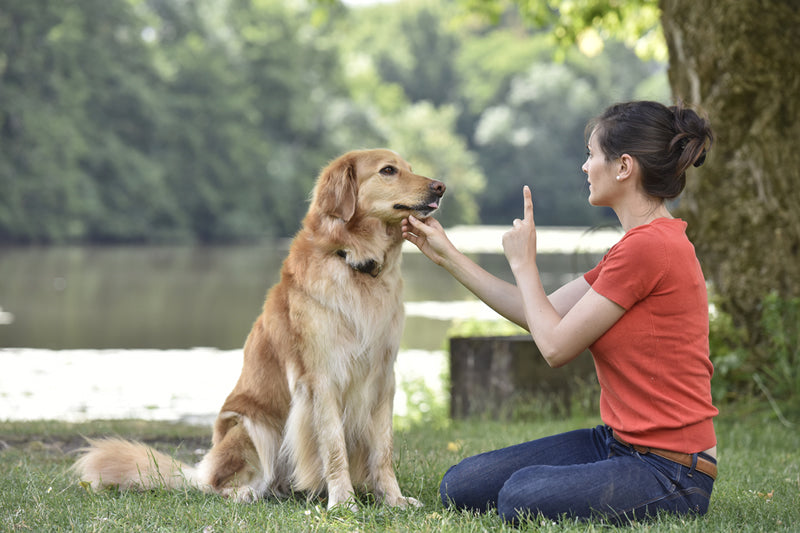
Image Source: khpet.com
The Myth of the Untrainable Senior Dog
Many people believe that once a dog passes a certain age—perhaps seven or eight, depending on the breed—their brain locks up. This idea is simply not true. Dogs, much like humans, continue to learn throughout their lives. Senior dog training is a rewarding field. It focuses on adapting methods to suit the physical and mental state of an aging dog.
The challenge often isn’t the dog’s ability to learn; it’s our approach. We may expect the quick, high-energy results we see in a young dog. When those don’t appear, we assume the dog is being stubborn or incapable.
Factors Influencing Senior Learning Speed
Several factors affect how quickly an older dog learns new things. Recognizing these factors helps set realistic goals.
- Physical Comfort: Pain is a huge learning barrier. Arthritis or dental pain can make a dog less willing to move or focus.
- Sensory Decline: Hearing or vision loss affects how a dog perceives cues.
- Past Training History: A dog with a solid foundation learns faster. A dog with gaps in training might need more foundational work.
- Motivation Level: Health issues can lower a dog’s overall drive.
Adapting Training for the Older Canine
Adjusting training for older dogs is key to success. This means slowing down, being patient, and focusing on quality over speed. Think of it as specialized fitness training, not basic obedience school.
Shifting Focus: Quality of Life Over Perfect Performance
When working with seniors, the goal often shifts from perfect competition-style obedience to maintaining a high quality of life. Geriatric canine training tips emphasize functional skills that make daily life easier and safer.
Session Structure Adjustments
Long training sessions tire out older bodies and minds quickly. Keep sessions short and sweet.
| Old Session Length (Puppy/Young Adult) | Recommended Senior Session Length | Frequency |
|---|---|---|
| 15–20 minutes | 3–5 minutes | Multiple times per day |
| 10 repetitions per skill | 3–5 high-value repetitions per skill | Focus on success |
We want every session to end on a high note. This keeps the dog enthusiastic for the next brief training moment.
Accommodating Physical Changes
If your dog is slowing down, you must change the physical demands of the training.
- Avoid High Jumps: If your dog has hip or joint issues, stop asking for jumps or quick pivots. These cause pain and create negative associations with training.
- Ground Work Focus: Concentrate on behaviors done while sitting, lying down, or standing still. “Stay” or “Look at Me” commands are excellent for this.
- Use Non-Slip Surfaces: Slipping on hardwood floors is scary and painful for seniors. Train on rugs, grass, or mats.
Addressing Aging Dog Behavior
Aging dog behavior can sometimes be mistaken for disobedience. Before addressing a behavior, always rule out physical discomfort with a veterinarian. A dog that suddenly stops sitting might have an aching knee, not a defiance issue.
Redirecting Undesirable Habits
If an older dog develops new problem behaviors, it’s often tied to anxiety or discomfort.
Common Senior Dog Training Problems
- Increased Vocalization (Barking/Whining): This can signal pain, confusion (Canine Cognitive Dysfunction – CCD), or separation anxiety related to hearing loss.
- House Soiling: This is often due to weak bladder control or not waking up fast enough to signal the need to go out.
- Pacing or Restlessness: A classic sign of discomfort or cognitive decline.
Retraining older dogs exhibiting these issues requires detective work.
- For Vocalization: Use positive reinforcement for quiet periods. If pacing occurs at night, increase potty breaks before bed.
- For House Soiling: Increase daytime potty breaks frequency. Never punish accidents. This only teaches the dog to fear you, not to hold it.
Mental Stimulation for Older Dogs
The brain needs exercise just like the body. Keeping the mind sharp is a cornerstone of senior dog training. Mental work is often less physically taxing than physical exercise, making it perfect for older companions.
Puzzles and Food Work
Ditch the food bowl! Feeding meals through puzzle toys or snuffle mats provides excellent, low-impact stimulation. This taps into their natural foraging instincts.
- Snuffle Mats: Great for nose work, which is calming for dogs.
- Slow Feeders: Simple bowls that force them to lick and work for the food are easier on the neck than bending low to the floor.
- Kongs and LickiMats: Filling these with plain yogurt or pureed pumpkin and freezing them provides long-lasting, satisfying work.
Introducing Novel Concepts
Don’t assume they can’t learn new things. Even if they can’t learn advanced agility moves, they can learn new names for objects or simple tricks.
Ideas for Mental Games:
- Name That Toy: Teach your dog the names of two or three favorite toys. Start by placing one toy out and asking for it by name.
- Shell Game: Place a high-value treat under one of three cups. Let the dog watch you move them. This challenges their memory and focus.
- New Cues: Teaching a new, simple cue like “Touch” (touching their nose to your hand) is mentally engaging and great for close work.
Socializing the Senior: Senior Dog Socialization
Social skills don’t disappear, but older dogs might become less tolerant of boisterous behavior. This is where careful management is crucial.
Evaluating Social Needs
Not every senior dog wants to greet every dog at the park. Interpreting their body language is vital here.
- The Tolerant Senior: If your dog enjoys brief, calm greetings with known, polite dogs, continue controlled interactions.
- The Grumpy Senior: If your dog stiffens or growls at unfamiliar dogs, they have lost tolerance. This is common due to pain or sensory overload. Stop park visits immediately.
Safe dog training for seniors in a social context means prioritizing safety and comfort over forced interaction. Substitute large group settings with one-on-one “playdates” with a known, gentle friend, or simply enjoy quiet walks where you practice polite leash walking near other dogs without initiating greetings.
Navigating Sensory Loss in Training
When a dog loses hearing or sight, their world shrinks. Training becomes an essential tool to re-establish security and clear communication.
Training with Hearing Loss
If your dog is deaf or hard of hearing, reliance on visual cues is paramount.
- Establish Clear Hand Signals: Choose distinct hand signals for common commands (Sit, Down, Stay).
- Use Vibrations: A vibrating collar (used only for recall, never as punishment) or a quick tap on the floor can get their attention before you use a visual cue.
- Consistency: Everyone in the home must use the exact same signals every single time.
Training with Vision Loss
Dogs rely heavily on scent and hearing when their sight fades.
- Scent Markers: Use small, easily identifiable scent markers (like a specific essential oil on a cotton ball hidden nearby) to direct them during tracking games.
- Verbal Cues: Increase reliance on clear, enthusiastic verbal cues paired with physical guidance.
- Guiding Hand: Use a gentle hand on their back or side to guide them physically into position rather than pushing or pulling their body. This requires less physical manipulation.
Health Checks: The Foundation of Safe Dog Training for Seniors
Before starting any new training regimen, a full veterinary check-up is non-negotiable. Pain management opens the door to successful learning.
Recognizing Hidden Pain
Dogs are masters at hiding pain. Behavior changes often signal physical distress long before a limp appears.
| Subtle Sign of Pain | What It Might Mean | Training Implication |
|---|---|---|
| Hesitancy to get up | Arthritis, low back pain | Reduce time spent in “Down” position. |
| Excessive panting when resting | General discomfort, anxiety | Keep sessions very short; ensure cool environment. |
| Snapping when touched near a joint | Localized pain, severe arthritis | Avoid physical manipulation during training. |
| Increased irritability/grumpiness | Cognitive decline or systemic pain | Lower expectations; focus purely on positive pairing. |
If pain is detected, work with your vet on a management plan (medication, supplements, physical therapy). Training becomes much easier once the dog is comfortable.
Revisiting Basics: Retraining Older Dogs
Sometimes, retraining is necessary due to poor habits formed years ago, or because a dog’s previous high-energy commands no longer work.
The Power of Replacement Behaviors
Instead of trying to extinguish a bad habit, teach a better one that serves the same purpose. If your older dog nudges your hand for attention (because they can’t jump anymore), teach them to “touch” your hand instead.
- Nudging: Replace with a gentle “nose touch.”
- Pawing for Food: Replace with a “sit” while you prepare the bowl.
This positive replacement is far more effective than punishment-based correction, especially with older dogs whose stress tolerance is lower.
Proofing Behaviors Gently
Proofing means practicing a skill in different environments. For seniors, proofing must be done slowly. A busy park might be overwhelming.
Start proofing by:
- Moving training from the quiet living room to the hallway.
- Moving to the backyard for five minutes.
- Moving to a quiet, low-traffic street corner.
The goal is gradual exposure, not shock exposure.
Knowing When to Stop Dog Training
This is perhaps the hardest question for dedicated owners. When should training cease entirely?
Training should never stop completely, but the type of training must evolve. You stop training formally when the dog shows clear signs of significant decline or distress related to the activity.
Signs That Training Should Be Paused or Ended:
- Persistent Apathy: The dog refuses to engage, even for the highest value treats.
- Increased Withdrawal: The dog walks away from you mid-session or hides when you bring out training gear.
- Pain Response: Any clear flinch, whine, or hesitation when asked to perform a previously easy task.
- Severe Cognitive Decline: If the dog is utterly confused by basic cues they knew for years, continuing may cause more frustration than benefit.
If you hit these points, switch entirely to passive bonding: gentle petting, slow walks, quiet companionship, and easy puzzle toys that require minimal effort. Mental stimulation for older dogs can become as simple as letting them sniff a new, interesting spot on a very short walk.
Maintaining Routine and Predictability
One of the most comforting things for an aging dog behaviorally is predictability. Seniors thrive when they know what comes next. Training helps reinforce this structure even when physical abilities change.
Creating a Predictable Daily Flow
A consistent schedule supports cognitive health and reduces anxiety.
- Wake up/Potty
- Quiet Snuffle Mat Session (Mental Work)
- Breakfast
- Short, slow walk or yard time
- Nap/Rest
- Short Skill Refresher (3 minutes)
- Afternoon Potty/Snack
- Evening Cuddle Time
This routine acts as a framework. Even if the dog can’t perform the “skill refresher” perfectly, the routine itself is a form of gentle behavioral management.
The Long-Term View: Deepening the Bond
The incredible value of senior dog training is not in the tricks learned, but in the time invested. When you choose to work with an older dog, you are choosing connection over perfection.
Every successful repetition, no matter how small, reinforces the bond between you and your aging friend. You are telling them: “I still value you. I still want to communicate with you. You are still smart and capable.”
This dedication to ongoing communication is the best gift you can give a senior dog during their golden years. It keeps their world engaging and makes their remaining time rich with positive interaction.
Frequently Asked Questions (FAQ) About Senior Dog Training
H5: Can an older dog truly forget everything they learned?
No, dogs do not typically “forget” skills entirely. However, sensory loss (hearing or vision) and physical limitations can make recalling and executing those skills very difficult. What appears as forgetting is often an inability to perceive or perform the task comfortably. Retraining older dogs usually involves re-teaching the cues using alternative senses (like visual signals instead of verbal ones).
H5: Is it okay to use food rewards exclusively for senior training?
Food rewards are highly recommended for geriatric canine training tips because they are highly motivating and allow for quick, positive reinforcement without physical exertion. However, always rotate rewards. If your dog is on a strict diet, use tiny pieces of their regular kibble or use physical affection (a gentle scratch behind the ears, if they like it) as a reward alongside food.
H5: How do I handle my senior dog’s deafness during recall training?
If your dog is deaf, switch your recall cue from a sound to a visual signal. This might be raising both hands over your head in a large, enthusiastic “come here” motion. Start training in a safe, enclosed area. When the dog looks at you after seeing the signal, immediately reward them heavily when they reach you. Adjusting training for older dogs with sensory loss requires visual consistency.
H5: What is the difference between general training and hospice training?
General senior dog training continues to build skills or maintain known behaviors. Hospice training, often needed for dogs in their final months, focuses purely on comfort, minimizing stress, and reinforcing behaviors that aid daily living (like walking calmly to their bed or taking medication easily). It is training focused entirely on well-being, not obedience.
H5: Can I introduce new tricks to a very old dog?
Yes, as long as the trick is low-impact. New tricks are fantastic for mental stimulation for older dogs. Skip things like “roll over” if it strains the back, but try “spin in a circle” (if they can balance), “shake,” or teaching them to nudge a specific target stick. Keep the sessions extremely brief.