
If you suspect your dog has internal bleeding, you must seek immediate veterinary care; this is a life-threatening emergency. The main signs that a dog might be bleeding inside include weakness, pale gums, a bloated belly, rapid breathing, and collapse. Time is critical when dealing with dog internal hemorrhage signs, so acting fast saves lives.
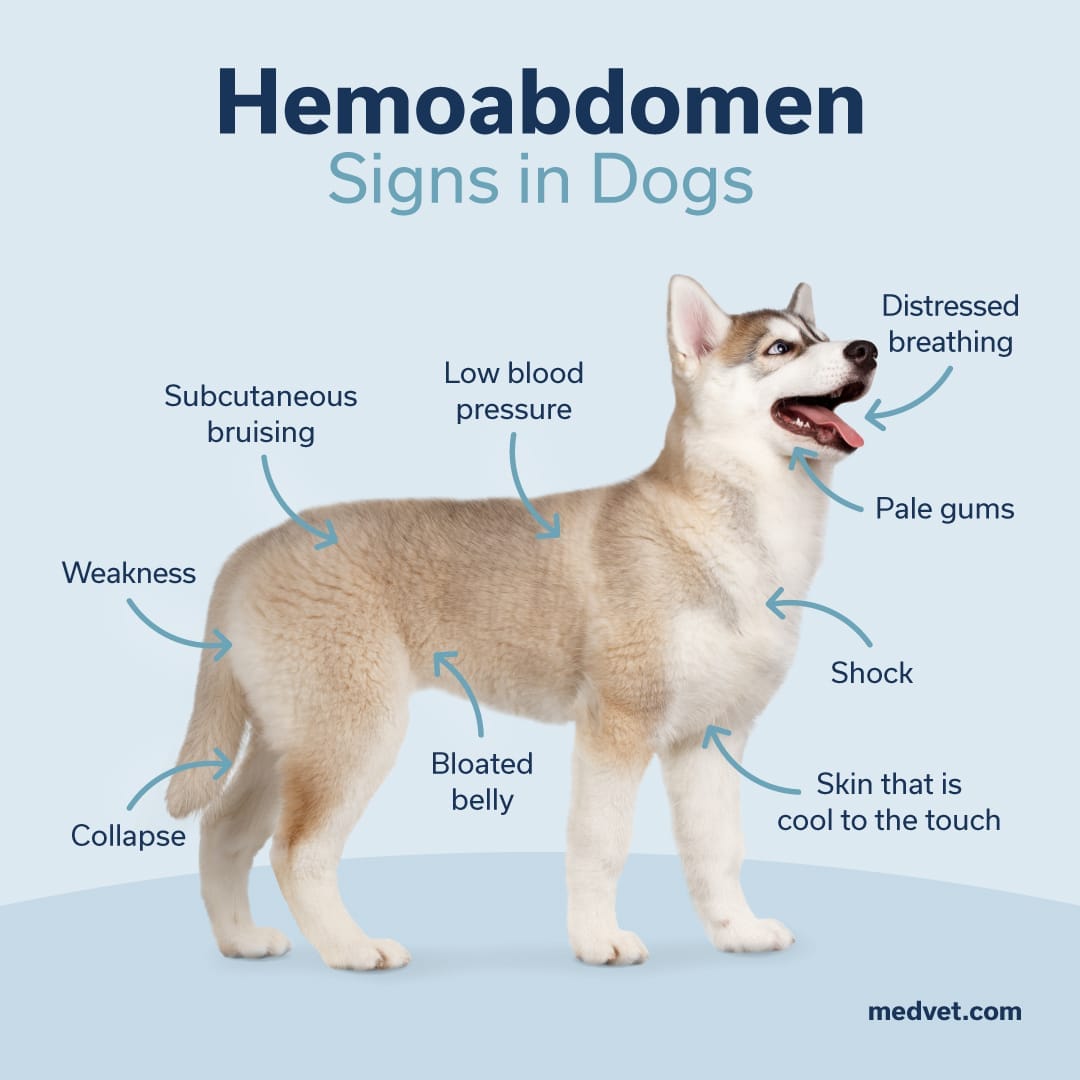
Image Source: cdn.medvet.com
Recognizing the Danger: What is Internal Bleeding in Dogs?
Internal bleeding, or hemorrhage, means blood is leaking inside your dog’s body. This is not the same as a visible cut that bleeds outside. The blood collects in a body cavity, like the chest or the belly. When this happens, the dog loses blood volume quickly. This loss makes it hard for the heart to pump enough blood to keep the body working.
What Causes Internal Bleeding in Dogs?
There are several main causes of internal bleeding in dogs. Knowing these causes can help you understand the risk level after an event.
Trauma and Injury
Accidents are a major cause of internal bleeding. If your dog is hit by a car, falls from a height, or gets into a severe fight, vital organs can rupture or large blood vessels can tear. This often leads to dog internal trauma bleeding. Even if the outside looks okay, deep injuries can cause serious internal leaks.
Tumors and Cancer
Some growths, especially certain types of tumors, can be fragile. They can break open and start bleeding heavily inside the body. This is a common cause, especially in older dogs.
Clotting Problems
Sometimes, a dog’s blood does not clot the way it should. This can be due to inherited problems, poisons (like rat poison), or serious infections. When the blood won’t clot, even small bumps or natural stresses can cause leaks inside.
Disease
Certain diseases can weaken blood vessels or affect organs that hold a lot of blood. Diseases affecting the liver or spleen can sometimes lead to spontaneous bleeding.
Key Signs: Identifying Canine Internal Bleeding Symptoms
Spotting internal bleeding is hard because you cannot see the blood flowing. You must watch your dog closely for subtle changes. Many canine internal bleeding symptoms are related to the body going into shock due to blood loss.
Physical Appearance Changes
These signs relate to how your dog looks. They are often the easiest to spot first.
Pale or White Gums
This is one of the most alarming signs. Healthy gums should be pink or “bubble-gum” colored. If you gently lift your dog’s lip and the gums look white, very pale pink, or even gray, it shows a severe lack of blood flow. Dog pale gums internal bleeding is a clear sign the dog needs an emergency vet internal bleeding dog visit right now. Press your finger firmly on the gum until it turns white, then release. The color should return in less than two seconds. If it takes longer, the dog is in trouble.
Swollen or Bloated Abdomen
If blood is leaking into the belly cavity (the abdomen), the stomach area may look larger than usual. It might feel firm or tight when you gently touch it. These are classic signs of bleeding in dog’s abdomen. The swelling is due to the pooled blood stretching the belly wall.
Weakness and Lethargy
A dog losing blood will quickly feel tired and weak. They may struggle to stand up or may prefer to lie down all the time. They might seem confused or disoriented. This extreme tiredness is a sign of poor oxygen delivery to the brain and muscles.
Changes in Breathing and Heart Rate
When a dog loses blood, the heart tries to pump faster to move the remaining blood around.
- Rapid, Shallow Breathing: The dog may breathe quickly but take only small breaths. This is the body trying to get more oxygen into the system.
- Heavy Panting: Unexplained, excessive panting, even when the dog is resting and cool, can signal distress.
- Weak or Rapid Pulse: You can check the pulse by feeling where the large artery runs on the inside of the upper hind leg. A weak or very fast pulse means the heart is struggling.
Behavioral and Other Symptoms
Dogs experiencing severe pain or shock may act differently.
- Vomiting or Diarrhea: The dog might vomit blood (which looks bright red or like coffee grounds) or have dark, tarry stools (which means the blood has passed through the digestive system).
- Cold Extremities: If you touch your dog’s ears or paws, they might feel unusually cold. This happens because the body pulls blood away from the skin to keep vital organs supplied—a sign of dog low blood pressure internal bleeding.
- Collapse: In severe cases, the dog may suddenly collapse and be unresponsive.
Deciphering the Risk: Where is the Bleeding Happening?
Internal bleeding can occur in different areas of the body, leading to slightly different immediate concerns.
Bleeding in the Chest Cavity (Hemothorax)
When blood fills the space around the lungs, it stops the lungs from fully expanding.
- Breathing Difficulty: This is the main sign. The dog struggles hard to catch its breath.
- Blue or Gray Gums: Severe lack of oxygen due to lung compression makes the gums turn blue or gray quickly.
Bleeding in the Abdomen (Hemoperitoneum)
This is the most common type, often seen after trauma or from a ruptured tumor. It causes signs of bleeding in dog’s abdomen.
- Bloated Belly: The abdomen swells up.
- Pain: The dog might whine or cry when the belly is touched.
Bleeding into Tissues (Hematoma)
Sometimes, blood collects under the skin or in muscle tissue, forming a large, firm lump (a hematoma). While less immediately fatal than chest or belly bleeding, a large internal hematoma can still cause problems if it is deep or very big.
Immediate Action: What to Do When You Suspect Bleeding
If you see any major dog internal hemorrhage signs, do not wait. Every minute counts.
Step 1: Stay Calm and Secure Your Dog
Panic helps no one. Try to remain calm so you do not stress your dog further. Move the dog gently. If they collapse, support their body carefully.
Step 2: Call the Vet Immediately
Call your regular vet or the nearest 24-hour emergency vet internal bleeding dog clinic while you are getting ready to leave. Tell them:
- What happened (e.g., hit by car, sudden collapse).
- What symptoms you see (e.g., pale gums, fast breathing).
- Your estimated arrival time.
This lets the team prepare equipment and staff for an emergency arrival.
Step 3: Transport Safely
Keep your dog as still as possible during transport. Use a rigid surface, like a flat board or a stretcher, to move them, especially if you suspect spinal or major trauma. Minimize jostling.
Medical Procedures: The Vet Check for Internal Bleeding Dog
When you arrive at the clinic, the veterinary team will act quickly to stabilize the dog and find the source of the bleed. This process involves rapid assessment and intervention.
Initial Stabilization
The first goal is to keep the dog alive. This often means treating for shock.
- IV Fluids: Placing an intravenous (IV) catheter is critical. Fluids (and sometimes blood products) are given quickly to replace the lost volume and raise dog low blood pressure internal bleeding.
- Oxygen Therapy: Oxygen is provided through a mask or tube to help compensate for poor blood circulation.
Diagnostic Tests
Once the dog is slightly more stable, the vet needs proof and location of the bleed.
| Diagnostic Tool | Purpose | What it Shows |
|---|---|---|
| Blood Tests | Check overall health and clotting ability. | Red blood cell count (PCV), protein levels, clotting times. |
| Radiographs (X-rays) | Look at the chest and abdomen structure. | Fluid patterns (blood) in body cavities, broken bones, or masses. |
| Ultrasound | Provides real-time images of soft tissues. | Identifies exactly where fluid (blood) is pooling and checks organs like the spleen or liver. |
| Thoracocentesis/Abdominocentesis | Sampling the fluid buildup. | A needle draws fluid from the chest or belly; if blood is drawn, internal bleeding is confirmed. |
A thorough vet check for internal bleeding dog focuses on speed and accuracy to guide the next step.
Surgical Intervention
If the bleeding is severe and the source can be identified (like a ruptured spleen or major vessel tear), emergency surgery is often required to stop the leak and repair the damage.
Monitoring Dog After Trauma for Bleeding
If your dog has experienced trauma—even if they seem fine afterward—close monitoring is essential for several days. This is because some internal injuries may bleed slowly, leading to problems hours or even days later.
At Home Monitoring
For the first week following any significant bump or accident, watch for subtle regressions in health.
- Energy Levels: Is your dog as playful and energetic as normal? Any sudden drop in activity warrants a call to the vet.
- Appetite and Thirst: A sudden lack of interest in food or water can signal underlying pain or distress.
- Gum Color Check: Make a habit of checking dog pale gums internal bleeding signs daily, even if the dog seems well.
- Urine Output: Watch for changes. Blood in the urine (pink, red, or brown) signals bleeding in the urinary tract.
Delayed Bleeding Risks
Sometimes, the body forms a clot that temporarily stops the bleeding. However, this clot can break down later, causing sudden, severe internal hemorrhage. This is why monitoring after dog internal trauma bleeding is so important, even when the initial prognosis is good.
Comprehending the Prognosis and Recovery
The outcome for a dog with internal bleeding depends heavily on three factors: the cause, how much blood was lost before treatment, and how quickly treatment began.
Shock Management Success
If the vet can quickly replace the lost blood volume and stop the source of the leak, the prognosis is often good, especially for traumatic injuries that can be surgically fixed. If the dog develops severe, prolonged shock, recovery is much harder.
Recovery from Surgery
If surgery is performed, recovery involves strict rest. The dog must be kept calm to allow incisions to heal and internal tissues to repair. Pain management will be crucial during this period.
Long-Term Care
If the bleeding was caused by cancer or chronic disease, the recovery path is different. The vet will focus on managing the underlying condition after the immediate crisis is over. Regular follow-up appointments are non-negotiable.
Fathoming the Difference: Internal vs. External Bleeding
It is easy to confuse severe external bleeding with internal bleeding. Always treat rapid blood loss seriously, regardless of where it is coming from.
| Feature | External Bleeding (Visible) | Internal Bleeding (Hidden) |
|---|---|---|
| Visibility | Blood seen on fur, skin, or ground. | Blood confined within body cavities. |
| Primary Sign | Obvious pooling or dripping of blood. | Dog pale gums internal bleeding, bloating, shock signs. |
| Abdomen | Normal appearance, unless the injury is very deep. | Swollen, firm, painful belly (signs of bleeding in dog’s abdomen). |
| Immediate Action | Apply direct pressure to the wound. | Seek immediate emergency veterinary help for stabilization. |
When in doubt, assume the worst, especially after known accidents. Quick action based on recognizing canine internal bleeding symptoms gives your dog the best chance. Remember, monitoring dog after trauma for bleeding is your primary defense in the hours immediately following an incident.
Frequently Asked Questions (FAQ)
Q1: Can a dog hide internal bleeding?
Yes, dogs are masters at hiding pain and weakness. They often mask severe symptoms until they are critically ill. This is why checking vital signs like gum color daily is so important, especially after an injury.
Q2: If my dog was hit lightly, do I still need a vet check for internal bleeding dog?
Yes. Even minor-seeming impacts can cause serious internal damage, especially to organs like the spleen or liver, which may not bleed immediately. Always have a veterinarian examine your dog thoroughly after any known trauma to rule out silent injuries.
Q3: How fast does internal bleeding become fatal?
This varies widely. Bleeding from a major artery or a ruptured organ can lead to fatal shock in minutes to a few hours. Slower leaks from smaller vessels might take longer, perhaps 12–48 hours, but rapid intervention is always necessary.
Q4: Can internal bleeding resolve on its own?
In rare cases of very minor trauma where a small blood vessel leaks, the body might form a clot, and the bleeding stops. However, because there is a high risk of that clot failing, veterinarians never advise waiting for internal bleeding to resolve without professional assessment and stabilization.
Q5: What if my dog has low blood pressure from internal bleeding?
Dog low blood pressure internal bleeding is a hallmark of shock. The vet must raise the pressure quickly using IV fluids or blood transfusions while simultaneously locating and stopping the source of the bleed, often requiring emergency surgery.