
Can you stop a dog from jumping a fence? Yes, you absolutely can stop a dog from jumping a fence by looking at why they jump and then making changes to the fence and your dog’s routine. Fence jumping is a common problem for dog owners. It’s frustrating and can be dangerous for your pet. This long guide will show you easy, safe ways to solve this issue. We will look at training, fence fixes, and ways to keep your dog happy. These are the best dog fence jumping solutions.
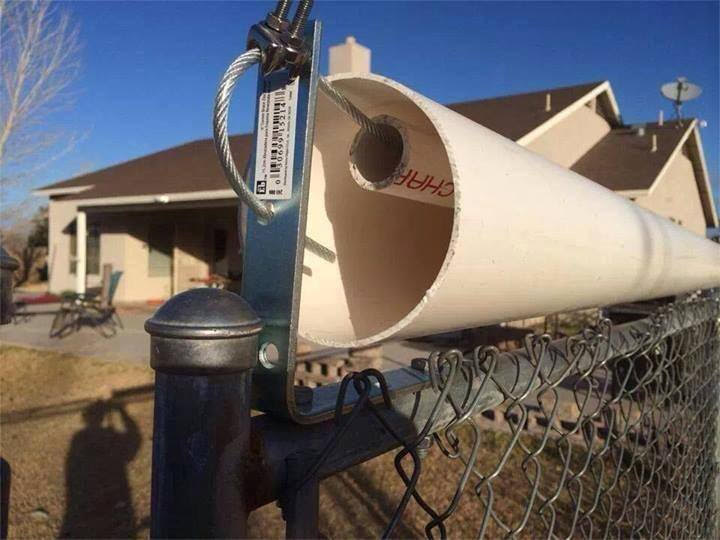
Image Source: ccspca.com
Why Dogs Choose to Leap Over Barriers
To fix the problem, we must first figure out why your dog wants to leave. Dogs do not jump fences just to be naughty. They jump for many good reasons from their point of view. Knowing the root cause helps you choose the right fix.
Core Reasons for Fence Escapes
Dogs jump for several key reasons. Think about which one fits your dog best.
- Boredom and Excess Energy: A bored dog will find fun anywhere. If they have nothing to do, jumping the fence becomes a fun game. This is often the biggest cause.
- Mating Instincts: Unneutered male dogs will go far to find a female dog in heat. Their drive is very strong.
- Prey Drive: Seeing a squirrel, cat, or even a moving car can trigger a chase response. If the fence is in the way, they jump it.
- Fear or Anxiety: Loud noises like fireworks or thunderstorms can scare a dog badly. They jump to escape the scary sound. Separation anxiety is another huge factor; they jump to find you.
- Seeking Social Contact: If your dog sees other people or dogs outside the fence, they want to join in. They are social animals and want to be where the action is.
Fixing the Environment: Dog Proofing Fences
Your fence needs to be a strong, clear boundary. If your dog can jump it, the fence is not doing its job well enough. We need to make the fence taller, harder to grip, or unappealing to jump over.
Increasing Fence Height Safely
The simplest fix is often making the fence too high to clear. Most dogs can clear a 4-foot fence easily. For energetic jumpers, 6 feet is often the minimum safe height.
Options for Added Height:
- Adding Fence Panels: You can often add strong extensions to the top of existing fences. Make sure these additions are sturdy.
- Using Rolled Fencing Material: Heavy-duty wire mesh or rolls of fencing can be attached securely to the top. This must be done carefully so your dog cannot get stuck.
Making the Top Edge Unclimbable
Dogs use their front paws to grip the top rail or pickets. If they can get a grip, they can climb. We need to remove that foothold. This is a key step in preventing dog climbing fence behaviors.
Anti-Climb Modifications:
- Rolled Top Bars: Install a smooth, round pipe or piece of wood along the very top edge of the fence. If the top is slick and rounded, the dog cannot grip it with their paws.
- Angled Toppers (Coyote Rollers): These are rollers installed along the top of the fence line, angled inward toward your yard. When the dog tries to grab the top, the rollers spin, depositing the dog safely back inside. These are excellent dog fence jumping solutions.
- Netting or Wire Mesh: Attaching a strong plastic mesh or chicken wire steeply outward (at a 45-degree angle) at the top can discourage jumping. The dog sees the floppy end and is less likely to attempt the leap.
Dealing with Digging Issues
Sometimes the problem is not jumping up, but jumping through by going under. If you notice loose dirt near the base, you have a “digging under” problem, which prevents keeping dog in yard reliably.
Stopping Dog From Digging Under Fence
You need a barrier that extends down into the ground.
- L-Footers (or Ground Barriers): Bury hardware cloth (a strong wire mesh) horizontally along the base of the fence, extending about two feet inward into your yard, bent at a 90-degree angle (forming an ‘L’ shape). Cover the buried mesh with dirt or sod. This stops them from digging right next to the fence line.
- Concrete Curbs: Pouring a short, wide concrete barrier right against the bottom of the fence line offers a solid, unbreakable base.
Behavioral Adjustments: Addressing Dog Escape Behavior
No fence is perfect if the dog’s motivation to leave is too high. We must address the why behind the escape attempts through training and enrichment. This is crucial for lasting dog proofing fences.
Increasing Mental and Physical Exercise
A tired dog is a good dog. If your dog is full of energy, they will use it trying to escape.
Enrichment Strategies:
- Longer Walks: Add 15 to 30 minutes of brisk walking or jogging to your daily routine.
- Interactive Toys: Use puzzle feeders, KONGs stuffed with frozen peanut butter, or treat-dispensing balls. These make the dog work for their food, tiring their minds.
- Supervised Yard Time with Play: Do not just leave the dog outside alone for hours. Go out with them. Play fetch, practice short training drills, or engage in tug-of-war. Active supervision greatly helps in deterring dogs from escaping.
- Scent Games: Hide treats around the yard and encourage your dog to find them. This uses their natural instinct to hunt using their nose, which is mentally draining.
Training for Boundary Respect
Dog fence training involves teaching your dog that staying inside the boundary is rewarding, and jumping results in a loss of opportunity or mild discomfort (without harm).
Teaching “Stay” and “Place” Near the Fence
Practice commands like “Stay” or “Wait” near the fence line, starting far away and slowly moving closer.
- Start Inside: Have your dog sit about 10 feet from the fence. Ask for a “Stay.” If they hold the position, reward them heavily.
- Move Closer: Gradually move closer to the fence boundary. If they move or look like they are about to lunge toward the fence, immediately say “Oops” (or a similar marker word) and reset them further back.
- Introduce Distractions: Once they are comfortable near the fence, introduce mild distractions (like you tossing a ball near the fence, but not over it). Reward heavily for staying focused on you and respecting the boundary.
Using Negative Reinforcement (Carefully)
Some owners use specific tools to make the area near the fence undesirable, without causing injury. This is part of making the yard secure backyard for dogs by making it unrewarding to approach the edge.
- Motion-Activated Sprinklers: These devices spray a quick, harmless jet of water when motion is detected near the fence line. The sudden, unexpected spray is startling, teaching the dog that approaching the boundary leads to an unpleasant surprise. They quickly learn to avoid that area.
Advanced Solutions for Persistent Jumpers
If basic training and simple modifications fail, you might need stronger measures. This is where high security dog fencing options come into play, especially for breeds with high drive like Huskies, sight hounds, or certain terriers.
Secure Barrier Systems
These systems often involve changes to the fence structure itself to prevent upward momentum.
1. Angled Fencing (Outward Slant)
This is a very effective method for stopping jumpers. You extend the top portion of your existing fence so it leans inward toward your property at a 45-degree angle.
- How it Works: When the dog leaps, they hit the angled section. They cannot get their paws over the top because they are leaning back into your yard. This completely negates their vertical leap power.
- Implementation: This often requires professional installation or significant DIY skill, using sturdy wire panels or netting attached to new posts at the top of the fence.
2. Double Fencing Systems
If space allows, creating a buffer zone between two fences is nearly foolproof.
- The Concept: Install a second, shorter fence (maybe 4 feet high) about 3 to 5 feet inside your main perimeter fence.
- The Buffer Zone: This creates a secure run or alleyway between the two fences. If the dog clears the outer fence, they immediately hit the inner fence. If they try to climb the inner fence, they are still contained within the buffer zone. This is a fantastic way to create a secure backyard for dogs without needing extremely tall single fences.
3. Electronic Containment (Use with Caution)
Electronic fences (invisible fences) are sometimes considered, but they are generally better for deterring dogs from escaping by defining a boundary, rather than stopping a determined jumper.
- The Drawback: A determined jumper or a highly motivated dog (chasing prey or a mate) will often run through the mild static correction because the drive to escape is stronger than the aversion to the small shock. They learn to jump through the boundary.
- Use Case: Electronic systems work best when combined with a physical barrier (like a 4-foot fence) to handle minor boundary testing, reinforcing the visual boundary.
Grasping the Dog’s Motivation: Breed and Temperament
Some breeds are genetically programmed to be more persistent jumpers. If you own one of these breeds, you need to be extra diligent with both training and fence modifications.
| Breed Type | Common Jumping Reason | Recommended Action Focus |
|---|---|---|
| Hounds (Beagles, Basset Hounds) | Scent and Prey Drive | Digging prevention (L-footers) and Scent Games for mental work. |
| Herding Breeds (Collies, Shepherds) | High Energy and Boredom | Intense daily exercise and dedicated training sessions. Angled fence tops. |
| Terriers (Jack Russells) | High Prey Drive and Tenacity | Highest fence height needed; focus on stopping climbing grips. |
| Working/Guardian Breeds | Territorial or Mating Drive | Neutering/spaying if applicable; extremely sturdy, tall fencing. |
If your dog is jumping due to separation anxiety, no fence modification alone will work long-term. The primary fix must involve behavior modification training focused on settling when alone.
Behavior Modification for Anxiety-Related Jumps
If your dog jumps only when you leave, they are trying to reunite with you.
- Pre-Departure Cues: Desensitize your dog to your departure cues (picking up keys, putting on shoes). Do these actions randomly throughout the day without leaving.
- Short Departures: Start by leaving for just 1 minute, then return before the dog shows signs of distress or attempts to escape. Slowly increase the time.
- Calm Returns: Always greet your dog calmly when you come back. High-energy greetings reward anxious waiting.
This approach helps with addressing dog escape behavior rooted in panic.
Maintenance and Consistency: Making it Stick
Stopping a dog from jumping a fence is not a one-time fix. It requires ongoing effort, or the dog will test the boundaries again. Consistency is the key to long-term success in keeping dog in yard.
Routine Checks of Your Barrier System
Fences get damaged by weather, falling branches, or wear and tear. A small loose wire can become a ladder for a motivated dog.
- Weekly Walk-Throughs: Walk the entire perimeter of your fence every week. Check for loose boards, wobbly posts, or any gaps near the ground.
- Inspect Additions: Regularly check how the angled tops, rollers, or netting are attached. Ensure screws are tight and materials haven’t degraded.
Consistency in Reinforcement
If you let the dog jump the fence once because you are busy, you have just rewarded all their previous failed attempts. The dog thinks, “If I just try hard enough, it will eventually work!”
- Zero Tolerance: For a period, you must be vigilant. If you see them preparing to jump (staring intensely, pacing near the edge, getting a running start), interrupt the behavior immediately with a sharp, non-scary noise (like a clap or a firm “Ah-ah!”) and redirect them to an appropriate activity inside the yard.
When to Call the Experts
If you have tried height adjustments, anti-climb measures, and increased exercise for several weeks with no change, it might be time to consult professionals.
- Certified Professional Dog Trainer (CPDT-KA): They can observe your dog in the yard and pinpoint the exact trigger and technique used for escape. They can tailor a dog fence training program specifically for your pet.
- Fencing Contractors: They can advise on the most secure, practical, and aesthetically pleasing high security dog fencing options for your property.
Summary of Easy Solutions Checklist
Use this list to track your efforts in dog proofing fences:
| Area of Focus | Action Steps | Success Metric |
|---|---|---|
| Exercise & Enrichment | Increase daily physical activity by 30%. Provide puzzle toys daily. | Dog is relaxed and less anxious during quiet times. |
| Fence Height | Add 1-2 feet of height to the existing barrier. | Dog cannot get its front paws over the top rail. |
| Climbing Prevention | Install angled toppers or rolled pipes on top. | Dog avoids approaching the top edge of the fence. |
| Digging Prevention | Install L-footers or hardware cloth underground along the base. | No new tunnels or digging signs near the fence line. |
| Training | Practice boundary manners near the fence line daily. | Dog maintains a “Stay” command near the perimeter when distracted. |
| Motivation Control | Ensure the dog is neutered (if applicable) and address anxiety triggers. | Reduced pacing and focused staring outside the yard. |
By implementing these layered strategies—physical barriers, mental enrichment, and consistent training—you can effectively manage the issue. You are creating a safer, more secure environment, ensuring your dog stays safely contained while reducing stress for everyone involved. These dog fence jumping solutions work best when used together.
Frequently Asked Questions (FAQ)
What is the best material for preventing a dog from climbing a fence?
Smooth materials that offer no grip are best. A smooth, rounded pipe installed along the top edge, or commercially available “coyote rollers” that spin when grabbed, prevent the dog from gaining purchase for climbing.
Can a dog learn to jump an invisible fence?
Yes, a dog highly motivated to escape (e.g., chasing a squirrel or running toward a mate) will often run right through the warning zone and ignore the correction shock. Invisible fences are rarely a complete solution for jumpers; they work best as boundary reminders combined with physical barriers.
How high should a fence be to stop most jumping dogs?
For an average, moderately athletic dog, a 6-foot fence is generally the minimum recommendation. For very athletic breeds or determined jumpers, 7 or 8 feet may be required, often combined with anti-climb modifications like angled tops.
Is it safe to use electric shock collars to stop fence jumping?
Most modern trainers advise against using shock collars for fence jumping correction when the dog is unsupervised. The dog learns that the pain only occurs when the owner is not watching, or the fear of escape is greater than the aversion to the shock. A motion-activated sprinkler is often a safer, automated deterrent when you cannot supervise.
What if my dog digs and jumps?
If your dog employs both tactics, you must address both areas simultaneously. Install underground barriers (L-footers) to stop digging, and add height and anti-climb features to stop jumping. A double-fence system is excellent for dogs that try multiple escape routes.