
If your dog is panting heavily at night, it means they are breathing fast and hard when they should be resting or sleeping. This can be normal sometimes, but often it signals that something is bothering your dog.
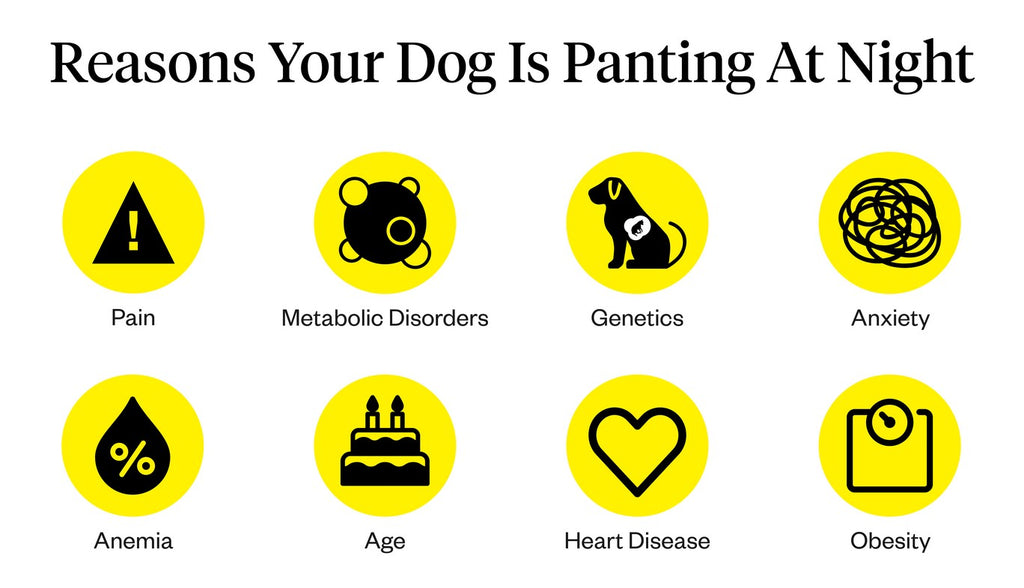
Image Source: cdn.shopify.com
Deciphering Normal Versus Concerning Nighttime Panting
All dogs pant. Panting helps dogs cool down because they don’t sweat well through their skin like people do. They lose heat through their tongue and the moist lining of their lungs. However, panting heavily when it’s cool and the dog is resting is not always normal.
When Nighttime Panting Is Okay
Sometimes, dog heavy breathing at night is just a temporary reaction to simple things.
- Recent Activity: If your dog played hard or exercised right before bed, they might need a little extra time to cool down and recover.
- Warm Environment: Even if you think the room is cool, your dog’s bedding or location might be trapping too much heat. Dogs often seek cooler spots if they are too warm.
- Excitement or Dreams: Just like people, dogs have active dreams. They might twitch or pant slightly while chasing imaginary rabbits in their sleep. This usually stops quickly once they settle.
- Mild Stress: A new noise outside, or a change in your routine, might cause mild stress that leads to a short bout of panting.
Recognizing Signs of Trouble
When panting becomes excessive, frequent, or sounds distressed, it moves from normal cooling to a warning sign. If you notice dog panting frequently at night no apparent reason, you need to pay closer attention. This means the panting isn’t easily explained by heat or recent play.
Common Causes of Excessive Canine Panting at Night
There are many causes of excessive canine panting at night. These causes range from simple environmental adjustments to serious health issues.
Environmental Factors
The immediate surroundings play a big role in a dog’s comfort level at night.
Temperature and Air Quality
Dogs are very sensitive to heat. A slightly warm room can cause significant distress for a panting dog.
- Room Temperature: Check the thermostat. What feels comfortable to you might be too warm for your dog, especially if they have thick fur.
- Bedding: Thick, soft dog beds can trap body heat. If your dog is panting, try having them sleep on a cooler surface like a tile floor or a thin mat temporarily.
- Humidity: High humidity makes it much harder for a dog to cool down through panting. This effect is magnified at night when air circulation might be lower.
Noise and Disruptions
A quiet night might not feel quiet to your dog.
- External Sounds: Sirens, distant thunder, or even wildlife outside can cause anxiety, leading to panting.
- Internal Changes: A furnace kicking on, a dripping pipe, or even a pet cam acting up can startle a sleeping dog.
Emotional and Psychological Triggers
Fear, anxiety, and stress are major drivers of restless dog panting loudly at night.
Separation Anxiety
If your dog sleeps in a crate or separate room and shows distress when you are gone, separation anxiety can flare up at night. Panting is a common symptom of panic in dogs. They may also pace or whine.
Noise Phobias
Some dogs have severe fears of storms (thunder) or fireworks. These events often happen at night, leading to intense anxiety and panting even if the noise source is far away.
New Situations
Moving to a new home, having a new pet, or even a change in your work schedule can throw a dog’s routine off balance. This uncertainty often manifests as nighttime anxiety and heavy breathing.
Pain and Discomfort
Panting is a classic, non-specific sign that a dog is in pain. If your dog is panting and restless, pain is a leading possibility.
- Arthritis or Joint Pain: Older dogs often struggle when lying down or getting up due to stiff, painful joints. Lying still might be uncomfortable, causing them to pant heavily as they try to find a better position. This is very common in excessive nighttime panting in older dogs.
- Internal Injuries: Hidden injuries, dental pain, or gastrointestinal upset can cause discomfort severe enough to induce panting.
Medical Conditions: The Serious Causes
When you are asking, “why is my dog panting and restless at night,” medical investigation is crucial. Many illnesses list panting as a primary symptom.
Respiratory Issues
If a dog cannot get enough oxygen, they will pant rapidly to try and pull more air in.
- Laryngeal Paralysis: More common in older, large breeds, this condition makes it hard for the voice box to open fully, restricting airflow.
- Tracheal Collapse: Often seen in small breeds, the windpipe weakens and closes slightly, making breathing labored, especially when excited or lying flat.
- Pneumonia or Fluid in Lungs: Any condition affecting the lungs reduces oxygen absorption, triggering panting.
Heart Disease
Heart problems are a primary medical reason for dog panting at night. When the heart cannot pump blood effectively, fluid can back up into the lungs (congestive heart failure). This fluid buildup reduces the space available for air, leading to persistent panting, especially when the dog is trying to rest.
Cushing’s Disease (Hyperadrenocorticism)
This condition involves the body producing too much cortisol. Symptoms include increased thirst, frequent urination, a pot-bellied appearance, and significant panting, often worse at night when the dog is trying to settle.
Thyroid Imbalances
Hypothyroidism (low thyroid) can cause lethargy, but hyperthyroidism (rare in dogs, more common in cats) can increase metabolism and cause panting.
Neurological Problems
Conditions affecting the brain or nervous system can interfere with the dog’s normal resting state, leading to unusual behaviors like persistent panting.
Investigating Age-Related Panting
Excessive nighttime panting in older dogs requires special attention because it often points toward underlying age-related illnesses.
| Age Group | Common Nighttime Panting Concerns | Key Signs to Watch For |
|---|---|---|
| Puppies/Young Adults | Anxiety, recent overexertion, settling into a new environment. | Panting stops quickly with comfort or cooling. |
| Middle-Aged Dogs | Early onset of mild pain (arthritis), mild situational anxiety. | Panting is inconsistent, linked to weather or noise. |
| Senior Dogs (7+ years) | Heart issues, Cushing’s disease, severe arthritis, cognitive decline. | Panting is persistent, often accompanied by pacing or confusion. |
Canine Cognitive Dysfunction (Dog Dementia)
Older dogs can develop a condition similar to Alzheimer’s disease. This confusion often worsens at night, leading to “sundowning.” A dog with CCD might pace, vocalize, and pant heavily because they feel lost or anxious in their familiar surroundings. They may not recognize their bed or even you.
Action Plan: How to Calm a Panting Dog at Night
When you hear dog panting loudly when sleeping or pacing, your immediate reaction is vital. The goal is to first rule out emergencies and then manage comfort.
Step 1: Immediate Assessment (The 5-Minute Rule)
First, check the basics. Is the room too hot? Is your dog dehydrated? Did they just finish drinking a lot of water?
If the panting seems rapid, shallow, or desperate, and the dog is unresponsive or seems panicked, seek emergency veterinary care immediately. This is critical if you suspect heatstroke or severe respiratory distress.
If the panting continues past five minutes and doesn’t immediately respond to simple environmental changes, move to soothing techniques.
Step 2: Cooling and Comfort Measures
If you suspect heat or mild anxiety, try these calming steps:
- Lower the Temperature: Turn down the air conditioning or open a window if the outdoor air is cool.
- Offer Cool Water: A small amount of cool (not ice-cold) water can help rehydrate and provide internal cooling.
- Use a Cool Surface: Gently encourage your dog to lie on a cooler part of the floor, like the kitchen tile, rather than their thick bed. You can place a cool, damp (not soaking wet) towel near them.
- Gentle Massage: Use slow, firm strokes along their back and shoulders. This rhythmic touch can be very grounding for an anxious dog. Avoid frantic petting, which can increase excitement.
Step 3: Addressing Anxiety
If environmental checks don’t resolve the issue, anxiety is the next likely culprit for why is my dog panting and restless at night.
- Stay Calm: Your panic will worsen their anxiety. Speak in a low, even tone.
- White Noise: Turn on a fan or white noise machine. This can mask sudden external sounds that might be triggering the panting.
- Security Items: If your dog has a favorite blanket or chew toy, place it near them. Familiar scents offer comfort.
- Crate Adjustment: If they are crated, cover the crate partially to mimic a den environment, which can feel safer.
When to Worry About Dog Panting at Night
Knowing when to worry about dog panting at night is essential for your dog’s safety. You should contact your veterinarian immediately or seek emergency care if the panting is accompanied by:
- Gums that are pale, blue, or bright red.
- Vomiting or severe diarrhea.
- Collapse or inability to stand.
- Loud, harsh, or wheezing sounds accompanying the panting.
- Panting that lasts for hours without relief, even after cooling the environment.
- If your dog seems disoriented or confused (signs of CCD or neurological distress).
Veterinary Diagnostics for Chronic Nighttime Panting
If your dog consistently pants heavily several nights a week, a veterinarian visit is necessary for a full workup to identify the medical reasons for dog panting at night.
Initial Physical Exam
The vet will perform a thorough physical check. They will listen closely to the heart and lungs for murmurs, abnormal rhythms, or fluid sounds. They will check the dog’s temperature and hydration status.
Bloodwork and Urinalysis
Standard blood tests help screen for systemic issues like infection, kidney disease, and hormonal imbalances (like Cushing’s disease).
Advanced Imaging
If the initial exam suggests heart or lung problems, further testing is likely:
- Chest X-rays (Radiographs): These are crucial for visualizing the heart size and checking for fluid accumulation in the lungs (pulmonary edema), which is a hallmark of congestive heart failure.
- Echocardiogram (Heart Ultrasound): This detailed test shows how well the heart valves are working and how strongly the heart muscle is pumping.
Specialized Tests
Depending on symptoms, the vet might suggest:
- Blood Pressure Checks: High blood pressure can be both a cause and a result of other underlying conditions.
- Thyroid Panel: To check for hypo- or hyperthyroidism.
- Cognitive Screening: If the dog is older and showing signs of confusion along with panting, specific geriatric exams help diagnose CCD.
Managing Panting Related to Pain
If pain is the underlying cause for the restless dog panting loudly at night, treatment must focus on pain relief.
Pain Management Strategies
- Non-Steroidal Anti-Inflammatories (NSAIDs): Medications prescribed by the vet can significantly reduce inflammation and discomfort from arthritis. These must be used exactly as directed.
- Supplements: Glucosamine, chondroitin, and fish oils can support joint health over time, reducing mild discomfort.
- Physical Therapy: Gentle swimming or hydrotherapy can help maintain muscle mass and flexibility without stressing painful joints.
- Orthopedic Bedding: Investing in high-quality, supportive foam bedding can make lying down much more comfortable for arthritic dogs, reducing the need to constantly shift and pant.
Addressing Anxiety Triggers
If the cause is purely emotional, treating the anxiety is key to stopping the dog panting and restless at night.
Behavioral Modification Techniques
This takes time and consistency. It involves slowly desensitizing your dog to the source of their fear (if known, like traffic noise).
- Creating a Safe Space: Ensure the dog has a cozy, dark, and quiet den where they feel totally secure, even when you are asleep elsewhere.
- Pre-Bedtime Routine: Establish a very calm, predictable routine before bed. A short, non-strenuous walk followed by quiet chewing time (like a puzzle toy stuffed with food) can help drain mental energy peacefully.
Medication for Severe Anxiety
In cases of severe separation anxiety or noise phobias that cause nightly distress, veterinary behaviorists may recommend short-term or long-term anti-anxiety medication to help the dog relax enough to sleep soundly.
Summary of When to Seek Help
It is vital to track the pattern of the panting. Keep a log: When did it start? How long does it last? What was the temperature? Did you change anything in the routine?
If the panting:
* Occurs most nights.
* Lasts longer than 15 minutes without stopping.
* Is accompanied by pacing, drooling, or vocalization.
* Happens in an older dog, regardless of apparent cause.
Then, it is time to schedule a comprehensive vet appointment. Addressing causes of excessive canine panting at night early leads to better outcomes, especially when heart disease or serious metabolic conditions are involved. Do not wait for the panting to stop on its own if it is persistent.
Frequently Asked Questions (FAQ)
Q: Can I give my dog Benadryl for nighttime panting?
A: You should only give your dog Benadryl (diphenhydramine) if specifically instructed to do so by your veterinarian. While it can sometimes help mild anxiety, it is not appropriate for panting caused by pain, heatstroke, or heart conditions. Giving the wrong medication can mask serious symptoms or cause harmful side effects.
Q: My dog pants loudly when sleeping but seems fine when awake. Is this serious?
A: Loud panting during sleep could indicate deep dreaming, but if it is accompanied by twitching or labored breathing, it might be a sign of mild respiratory distress or a neurological event occurring during sleep cycles. If this happens often, mention it to your vet during the next wellness check.
Q: If my dog pants loudly after drinking water, should I restrict access at night?
A: Restricting water is dangerous, especially if the panting is related to a medical issue like Cushing’s disease, which causes excessive thirst. If your dog gulps water right before bed, it may cause mild discomfort. Instead, offer water frequently throughout the evening but take the bowl away about 60-90 minutes before bedtime. If excessive drinking continues, see the vet to check for diabetes or kidney issues.
Q: Is cooling my dog down immediately the best way to stop nighttime panting?
A: Cooling is essential if you suspect heat stress. However, if the dog is panting due to pain or anxiety, aggressive cooling (like dousing them with cold water) can actually increase their panic. For anxiety or pain-related panting, focus first on creating a calm, secure environment and gentle reassurance.