
Dog hair loss, known medically as alopecia, happens when a dog sheds more than normal or develops bald spots. This loss of fur can stem from many issues, ranging from simple stress to serious health problems.
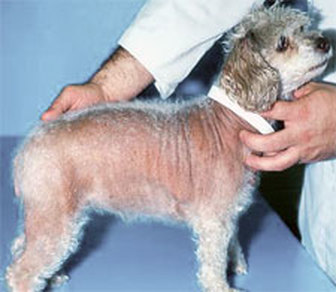
Image Source: www.apeacefulfarewell.com
Exploring Common Dog Hair Loss Causes
It is normal for dogs to shed. They lose old hair to make way for new coats. But when the shedding is too much, or if patches of skin show through, owners worry. There are many dog hair loss causes we need to look at. Spotting the pattern of loss helps vets figure out the issue faster.
Simple Factors Leading to Shedding
Sometimes, the reasons for dog shedding excessively are not complicated. These are often seasonal or related to daily changes in the dog’s life.
Seasonal Changes
Dogs often blow their coats twice a year. This means a big shed in spring to get rid of thick winter fur. They shed again in fall to prepare for colder weather. This is normal shedding, not true hair loss.
Stress and Anxiety
Dogs can lose hair when they are very stressed or anxious. Major changes, like moving homes, a new pet, or loud noises (like fireworks), can trigger this. This is sometimes called psychogenic alopecia. The dog might chew or lick the area too much.
Poor Grooming Habits
If a dog’s coat is not brushed often enough, dead hair can get trapped. This can look like excessive shedding. Matted fur can also pull out the healthy hair underneath.
Skin Issues and Infections
Many dog skin problems leading to hair loss are very common. The skin is the body’s largest organ, and issues here often show up in the coat first.
Allergies
Allergies are a huge reason for skin trouble and hair loss. Dogs can be allergic to food or things in the environment.
- Environmental Allergies (Atopy): Pollen, dust mites, and mold make dogs itchy. They scratch, chew, or lick the spots, causing hair to break off or fall out.
- Food Allergies: Certain proteins in food can trigger reactions. This often causes itchy paws, ears, and flanks, leading to hair loss there.
Infections
Infections of the skin frequently cause patchy hair loss.
- Bacterial Infections (Pyoderma): Bacteria can overgrow, often because the skin barrier is already weak. This causes red, flaky skin and hair loss.
- Yeast Infections: These often happen in warm, moist areas like the ears or skin folds. They cause strong odors and hair loss around the affected parts.
Parasites Causing Dog Coat Thinning
Tiny critters living on your dog can cause major irritation and hair loss. Parasites causing dog coat thinning are often easy to treat once found.
- Fleas: Even a few flea bites can cause intense itching in allergic dogs (Flea Allergy Dermatitis). This leads to hair loss, usually near the tail base.
- Mites (Mange): Sarcoptic mange (scabies) is very itchy and causes crusty sores and hair loss. Demodectic mange often appears as small, non-itchy bald spots, especially in young dogs.
- Ticks: While ticks cause localized irritation, heavy infestations can lead to secondary skin issues.
Medical Conditions Causing Dog Hair Loss
When hair loss is widespread, uneven, or happens without itching, a deeper medical problem might be at play. These medical conditions causing dog hair loss need veterinary diagnosis.
Hormonal Imbalances in Dogs Causing Hair Loss
The endocrine system controls hormones. If these hormones are out of balance, the coat suffers greatly.
- Hypothyroidism: This is a common issue where the thyroid gland does not make enough hormone. Symptoms often include dry, brittle hair, excessive shedding, and hair loss on the flanks or tail. Dogs might also gain weight or seem sluggish.
- Cushing’s Disease (Hyperadrenocorticism): This happens when the body makes too much cortisol. Hair loss is often symmetrical (the same on both sides of the body). The skin might look thin and dark.
Autoimmune Diseases
These diseases cause the body’s defense system to attack healthy cells, sometimes targeting hair follicles. Lupus and Pemphigus are examples. These conditions cause sores, scabs, and significant hair loss.
Nutritional Deficiencies Dog Hair Loss
What a dog eats directly impacts coat health. Nutritional deficiencies dog hair loss can occur if a dog eats a poor-quality diet or has trouble absorbing nutrients.
- Lack of Essential Fatty Acids: Omega-3 and Omega-6 oils are key for healthy skin and a shiny coat. A lack leads to dry skin and hair that falls out easily.
- Protein Deficiency: Hair is mostly protein. If the diet is too low in quality protein, the body conserves it for vital organs, leaving the coat weak.
- Vitamin or Mineral Gaps: Deficiencies in Vitamin A or Zinc can cause scaling, crusting, and hair loss.
Fathoming the Underlying Causes of Dog Bald Spots
If you notice distinct patches where hair is completely missing, this points toward specific problems. These underlying causes of dog bald spots often require targeted treatment.
Pressure Sores and Friction
Large, heavy dogs can develop bald spots simply from lying on hard surfaces too long. These sores, often on hips or elbows, are caused by constant pressure. They look smooth and hairless.
Hot Spots (Acute Moist Dermatitis)
These spots appear suddenly. They are red, wet, oozing, and very painful. A dog often licks or chews one spot intensely, ruining the hair right away. They start small but grow fast.
Folliculitis and Furunculosis
This is an inflammation or infection of the hair follicles. It often looks like little pimples or red bumps on the skin, which then lead to hair loss in those small areas. This is frequently linked to allergies or bacterial infections.
Interpreting Symptoms of Dog Hair Loss
Knowing what to look for is the first step to helping your dog. Pay close attention to the symptoms of dog hair loss alongside the actual hair falling out.
Key Signs to Observe
| Symptom | Possible Implication |
|---|---|
| Itching/Scratching | Allergies, fleas, or mites. |
| Redness or Inflammation | Infection or allergic reaction. |
| Dull or Brittle Coat | Poor diet or hormonal issues (like low thyroid). |
| Scaling or Flakiness | Dry skin, infection, or nutritional gaps. |
| Odor from Skin | Yeast or bacterial overgrowth. |
| Symmetrical Bald Patches | Often points to a hormonal problem (endocrine). |
| Licking or Chewing | Pain, itchiness, or behavioral stress. |
Analyzing Hair Loss Patterns
The location and pattern of hair loss give vets strong clues:
- Bilateral Flank Loss: Hair loss happening equally on both sides of the rear body often suggests hormonal problems, like hypothyroidism.
- Head and Ears: Often linked to environmental allergies or ear infections spreading to the face.
- Tail Base: Classic sign of flea allergy dermatitis.
- Over-Licking Areas: The dog is causing the hair loss through excessive self-trauma due to anxiety or itchiness.
Deciphering Canine Alopecia Factors
To treat hair loss effectively, veterinarians look at all the canine alopecia factors at play. This involves a full history, physical exam, and sometimes simple tests.
Diagnostic Steps
A vet will usually start with the least invasive tests first:
- Skin Scraping: Scraping the top layer of skin to look under a microscope for mites (like Demodex).
- Fungal Culture: Checking for ringworm, a common fungal infection that causes circular patches of hair loss.
- Cytology: Taking a swab or tape impression of the skin surface to check for too many yeast or bacteria cells.
- Blood Work: Full blood panels are essential to check organ function and look for signs of hormonal diseases, like checking thyroid levels.
Less Common but Serious Causes
While less frequent, some serious conditions must be ruled out:
- Alopecia X: A poorly understood condition seen mostly in Nordic breeds (like Pomeranians and Huskies). It causes strange, symmetrical hair loss, often turning the remaining hair dark or stubbly. The dog often seems otherwise healthy.
- Sebaceous Adenitis: Inflammation attacking the oil glands around the hair follicles. This causes crusting and patchy hair loss, often starting on the head or back.
Practical Steps for Managing Dog Hair Loss
Once the cause is identified, treatment focuses on fixing the root issue, not just the coat.
Treating Infections and Parasites
If parasites are the issue, regular, high-quality preventative treatments are key. For bacterial or yeast infections, the vet will prescribe medicated shampoos, dips, or oral antibiotics/antifungals.
Dietary Adjustments
If allergies are suspected, a strict food trial might be necessary. This involves feeding the dog only a novel protein (like duck or venison) or a prescription hydrolyzed diet for 8–12 weeks. This helps pinpoint food sensitivities. Ensure the diet provides all necessary vitamins and minerals to prevent nutritional deficiencies dog hair loss.
Managing Hormonal Imbalances
Hormonal issues require lifelong medication. For hypothyroidism, daily thyroid hormone supplements are given. For Cushing’s disease, medications are used to lower the body’s cortisol production.
Addressing Behavioral and Stress Factors
For stress-related hair loss, environmental enrichment is vital.
- Increase exercise time.
- Provide puzzle toys or long-lasting chews.
- Use calming pheromone diffusers or consult a behaviorist if anxiety is severe.
Treating Dog Skin Problems Leading to Hair Loss
A healthy coat starts with healthy skin. Treating inflammation reduces the dog’s urge to scratch, which prevents further hair loss.
It is crucial to keep the skin barrier strong. Products containing ceramides or specialized fatty acid supplements can help repair the skin barrier, making it less prone to infection and irritation from parasites causing dog coat thinning.
The Importance of Regular Vet Visits
If you see any unusual symptoms of dog hair loss, do not wait. Self-treating skin issues often masks the real problem, allowing underlying issues like endocrine disorders to worsen. Early diagnosis leads to better outcomes and faster regrowth of the coat.
Frequently Asked Questions (FAQ)
Can human shampoos cause my dog to lose hair?
Yes, human shampoos are often too harsh for a dog’s skin pH. Using them frequently can dry out the skin, cause irritation, and break down the skin barrier. This dryness and irritation can lead to scratching and subsequent hair loss. Always use shampoos formulated specifically for dogs.
Is dog hair loss always serious?
No. Normal seasonal shedding is not serious. However, any sudden, patchy, or intense hair loss needs veterinary attention. It is best to check, as minor issues can quickly become major skin infections.
Will the hair grow back after treatment?
In most cases, yes. If the hair loss is due to parasites, infections, or temporary stress, the hair will grow back once the underlying cause is controlled. If the hair loss is due to severe scarring or a long-standing endocrine disease, regrowth might be slower or incomplete, but the main health issue can still be managed.
Why is my dog losing hair around his eyes and muzzle?
This pattern of hair loss, often accompanied by reddish-brown staining on light-colored fur, can be related to tear staining or excessive drooling, which irritates the skin. It can also be a sign of a localized infection or, in older dogs, Cushing’s disease.
What are the signs of nutritional deficiencies dog hair loss?
Look for a coat that is dry, brittle, and sheds easily, often along with dull skin, poor wound healing, or frequent skin infections. If the diet has been poor for a long time, the dog might also appear lethargic or weak.