
If your dog is vomiting blood, you must seek immediate veterinary care; this is a medical emergency. Do not wait to see if it gets better. Bloody vomit in dogs emergency situations require swift action to save your pet’s life.
Vomiting blood, known medically as hematemesis, is a scary sight for any dog owner. It is never normal. While the cause might range from minor irritation to severe internal injury, the risk is too high to guess. You need a vet right now.
This guide will help you know what steps to take immediately and what information to gather for your veterinarian while preparing for the trip.
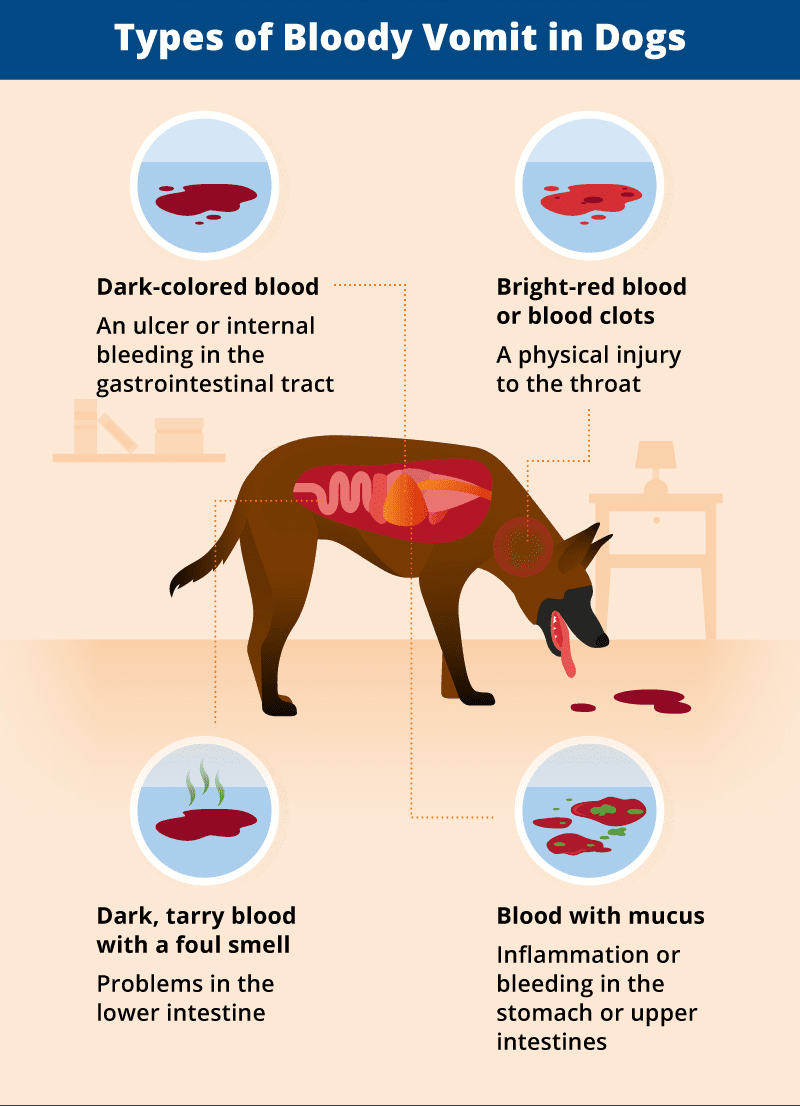
Image Source: cdn-ilbfemn.nitrocdn.com
Immediate Actions When Your Dog Vomits Blood
Your first few minutes are crucial. Follow these steps calmly but quickly.
Assess the Scene Safely
First, keep yourself and your dog calm. Stress can make things worse.
- Stay Calm: Your dog picks up on your fear. Take a deep breath.
- Secure the Area: Move any other pets or children away from your dog. Clean up any spilled vomit if it is safe, but prioritize your dog’s stability.
- Do Not Offer Food or Water: If your dog is actively vomiting or showing severe signs, giving them anything by mouth could increase the risk of aspiration (inhaling vomit into the lungs) or further irritation.
Look Closely at the Vomit
Gathering details about the blood helps the vet immensely. Try to note these details before you clean it all up.
- Color and Appearance:
- Bright Red Blood: This usually means the bleeding is fresh and coming from higher up in the digestive tract, like the mouth, throat, or esophagus.
- Dark Brown or “Coffee Grounds”: This looks like old coffee grounds. It means the blood has been in the stomach for a while. Stomach acid has partially digested the blood, turning it dark. This is still very serious.
- Amount: Is it just a few streaks, or is the vomit mostly blood?
- Frequency: How many times has your dog vomited since this started?
- Other Contents: Did you see food, bile (yellow fluid), or foreign objects mixed in with the blood?
Check for Other Symptoms
Vomiting blood rarely happens in isolation. Look for other signs of internal bleeding in dogs or severe illness.
- Lethargy or extreme weakness.
- Pale gums (check the gums; they should be pink, not white or very pale).
- Rapid, shallow breathing.
- Diarrhea, especially if it is also bloody (known as hemorrhagic gastroenteritis).
- Signs of pain, like whining or a hunched posture.
If your dog is dog lethargic vomiting blood, this indicates a severe, systemic problem requiring immediate intervention.
Call Your Veterinarian or Emergency Clinic
This is the most critical step. Explain clearly what you see.
- Tell them your dog is vomiting blood.
- Describe the color and amount of blood.
- Mention any other symptoms you observed.
They will instruct you on the best place to go and may give you specific first aid for dog vomiting blood instructions while en route. Always head to the nearest 24-hour emergency vet if your regular clinic is closed.
Deciphering Dog Hematemesis Causes
Dog hematemesis causes are diverse, ranging from simple trauma to life-threatening diseases. Knowing the potential reasons helps you prepare for the diagnostic process.
Trauma and Foreign Bodies
Sometimes, the cause is easy to pinpoint if trauma occurred just before vomiting.
- Ingestion of Sharp Objects: If your dog ate something sharp vomiting blood, this is a dire situation. Sharp objects like bones, plastic shards, or needles can tear the lining of the esophagus or stomach, causing immediate, severe bleeding.
- Oral or Esophageal Trauma: Hard chewing, aggressive eating, or injury to the mouth or throat can cause localized bleeding that is then swallowed and vomited up.
Gastrointestinal Issues
Problems within the stomach and intestines are common causes of blood in vomit.
- Severe Inflammation (Gastritis/Esophagitis): Intense inflammation from eating spoiled food, toxins, or excessive vomiting can irritate the lining enough to cause bleeding.
- Ulcers: Stomach or intestinal ulcers can erode blood vessels. Causes include certain medications (like NSAIDs given for pain), stress, or underlying disease.
- Hemorrhagic Gastroenteritis (HGE): This is a severe condition causing sudden, profuse vomiting and bloody diarrhea. While the diarrhea is often more prominent, vomiting blood can occur. Prompt treatment for hemorrhagic gastroenteritis in dogs is vital due to rapid dehydration.
Systemic Illnesses and Infections
Broader body issues can manifest as bleeding in the GI tract.
- Toxin Ingestion: Certain poisons, most notably rodenticides (rat poison), work by interfering with the body’s ability to clot blood. This can lead to bleeding anywhere, including the stomach.
- Parvovirus (Especially in Puppies): This highly contagious viral infection attacks the intestinal lining, leading to severe bloody vomiting and diarrhea. Puppy vomiting blood causes must always be investigated immediately for Parvo, especially if unvaccinated or young.
- Organ Failure: Severe liver or kidney failure can cause clotting problems, leading to internal bleeding.
- Cancer: Tumors in the esophagus, stomach, or intestines can ulcerate and bleed.
Blood Clotting Disorders
If the dog cannot stop bleeding internally, the vomit will look bloody.
- Immune-Mediated Thrombocytopenia (ITP): The body destroys its own platelets, leading to an inability to clot blood.
- Anticoagulant Poisoning: As mentioned above, this prevents the blood from clotting normally.
When to Worry About Dog Vomiting Blood
It is natural to worry anytime your dog is sick, but some situations signal higher immediate danger. When to worry about dog vomiting blood is almost always immediately, but severity dictates the urgency of the necessary veterinary service.
| Severity Indicator | Interpretation | Action Required |
|---|---|---|
| Bright Red Blood & Active Vomiting | Likely fresh trauma or esophageal irritation. High risk of airway issues. | Go to Emergency Vet IMMEDIATELY. |
| “Coffee Grounds” Vomit | Bleeding has been happening internally for some time; significant blood loss may have occurred. | Go to Emergency Vet IMMEDIATELY. |
| Vomiting Blood AND Bloody Diarrhea | Suggests severe systemic issue like HGE or parvovirus. Rapid dehydration risk. | Seek Urgent care for dog with bloody diarrhea and vomiting. |
| Vomiting Blood AND Pale Gums/Weakness | Sign of significant blood loss or shock. Circulation is compromised. | Emergency treatment is critical for survival. |
| Single, Small Streaks of Blood | Could be minor irritation (e.g., coughing hard), but still requires vet follow-up soon. | Call your vet for urgent advice within the hour. |
If you notice any signs of shock—pale gums, rapid heart rate, weakness, or collapse—treat it as the most severe emergency possible.
What Happens at the Vet? Diagnosing the Source
Once you arrive at the clinic, the veterinary team will work quickly to stabilize your dog. Stabilization always comes before diagnosis.
Initial Stabilization
The immediate focus is on treating shock and stopping ongoing blood loss.
- Physical Exam: The vet checks vital signs: heart rate, respiratory rate, temperature, and gum color.
- Intravenous (IV) Catheters: Placing IV lines is essential for administering fluids and medications rapidly.
- Fluid Therapy: Crystalloid fluids or blood products (if severe anemia is present) are administered to maintain blood pressure and perfusion (blood flow to organs).
- Bloodwork: Initial blood tests check the red blood cell count (to assess blood loss) and look for infection or signs of organ damage. Clotting times are also evaluated urgently if poisoning is suspected.
Diagnostic Procedures
After stabilization, the vet needs to find where the blood is coming from.
Blood Tests
Complete Blood Count (CBC) reveals anemia. Chemistry panels check organ function. Coagulation panels (PT/aPTT) test how well the blood clots.
Imaging
- X-rays: These are quick. They can reveal swallowed foreign bodies (like bones or metal), masses (tumors), or signs of abdominal swelling that suggest severe internal issues.
- Ultrasound: This provides detailed images of the stomach, intestines, liver, and spleen. It helps identify ulcers, masses, fluid accumulation, or thickening of the intestinal walls, which is common with conditions like HGE.
Endoscopy
If the bleeding appears to be from the upper GI tract (stomach or esophagus) and the dog is stable enough, the vet may recommend an endoscopy. A flexible tube with a camera is passed down the throat. This allows the vet to see the lining directly, potentially remove minor foreign objects, take biopsies, or even cauterize a small bleeding site.
Treatment Options for Vomiting Blood
Treatment is entirely dependent on the underlying dog hematemesis causes.
Emergency Medical Management
For acute, severe bleeding, medical management focuses on controlling the hemorrhage and supporting the patient.
- Anti-Nausea and Stomach Protectants: Medications like Cerenia control vomiting, reducing strain on the gut lining. Sucralfate or proton pump inhibitors may be used to coat and protect stomach ulcers.
- Blood Transfusions: If the dog is severely anemic (low red blood cell count) due to ongoing loss, a transfusion of packed red blood cells or whole blood is life-saving.
- Vitamin K1: If anticoagulant poisoning is suspected, Vitamin K1 is the antidote and must be given immediately and often for several weeks.
Surgical Intervention
Surgery is necessary if the bleeding source cannot be managed medically.
- Foreign Body Removal: If a foreign object is causing the tear or blockage, surgery is required to remove it and repair the damage. This is often the case if a dog ate something sharp vomiting blood.
- Tumor Removal: If cancer is identified as the source, surgical resection may be attempted, depending on the tumor’s location and stage.
Specific Disease Treatment
- Hemorrhagic Gastroenteritis (HGE): The primary treatment for hemorrhagic gastroenteritis in dogs is aggressive intravenous fluid therapy to combat shock and dehydration, often combined with antibiotics and anti-nausea drugs. Monitoring the packed cell volume (PCV) is key to managing fluid therapy.
Caring for Your Puppy Vomiting Blood
Puppies are fragile. Their small size means they lose blood volume much faster than adult dogs. Puppy vomiting blood causes often center on infectious diseases or dietary indiscretion.
- Parvovirus Watch: If your puppy is not fully vaccinated, Parvo is the top concern. They need immediate isolation and intensive supportive care.
- Dietary Sensitivity: Puppies explore with their mouths. They might chew on something irritating or ingest a toxic plant.
- Rapid Dehydration: Because of their size, puppies become dehydrated very quickly when vomiting and having diarrhea. IV fluids are often non-negotiable.
If you notice a puppy vomiting even a small amount of blood, treat it as a dire emergency.
Home Care After Veterinary Treatment
Once discharged, following the vet’s instructions perfectly is vital for recovery.
Dietary Changes
Your vet will likely prescribe a bland diet for several days to weeks.
- Bland Diet: Often boiled white rice mixed with boiled, skinless, fat-free chicken or low-fat cottage cheese. This is easy to digest.
- Small, Frequent Meals: Feed very small portions several times a day instead of one or two large meals. This minimizes stress on the recovering stomach lining.
- Slow Reintroduction: Slowly transition back to the regular food over several days, watching carefully for any recurrence of vomiting or diarrhea.
Medication Compliance
If your dog was prescribed ulcer medications, antibiotics, or clotting agents, administer them exactly as directed. Do not stop medications early, even if your dog seems better.
Monitoring Recovery
Watch closely for any relapse, especially in the first 48 hours after going home.
- Watch for changes in energy level.
- Monitor urination and defecation.
- Check the gums daily to ensure they remain pink.
If vomiting restarts, call your vet immediately. You might need to return for another round of supportive care.
FAQ Section
Q: Can I treat my dog’s bloody vomit at home?
A: No. Vomiting blood indicates a significant internal issue that requires professional diagnosis and treatment. Home remedies cannot stop severe internal bleeding or treat systemic illnesses like Parvovirus or poisoning. Delaying professional care can be fatal.
Q: How long after eating something bad will my dog vomit blood?
A: This depends entirely on what was eaten. If a sharp object causes immediate trauma, vomiting can happen within minutes. If a toxin, like rat poison, is involved, the signs (including vomiting blood) often take several days to appear after the toxin has interfered with clotting mechanisms.
Q: Is blood in my dog’s vomit always serious?
A: While minor streaks might sometimes stem from severe coughing or retching, any visible blood warrants concern. Vomiting blood should always be treated as serious until a veterinarian confirms otherwise. The possibility of signs of internal bleeding in dogs being life-threatening means waiting is too risky.
Q: What is the difference between hematemesis and hemoptysis?
A: Hematemesis is vomiting blood originating from the upper digestive tract (esophagus, stomach, upper intestine). Hemoptysis is coughing up blood originating from the respiratory tract (lungs or throat). Sometimes distinguishing between the two can be hard at home, which is why a vet visit is necessary.
Q: My dog has diarrhea but no vomiting. Should I still worry?
A: Bloody diarrhea alone is very concerning, especially if it is severe or sudden, suggesting conditions like HGE or Parvovirus. While not strictly hematemesis, it requires urgent care. If your dog has both symptoms, this is a dual emergency.