
If your dog is peeing dark yellow, it often means their urine is concentrated dog urine, which usually points toward dehydration or a high concentration of waste products. While occasional dark yellow urine might not be a crisis, persistent changes in dog urine color changes require attention to rule out underlying health issues.
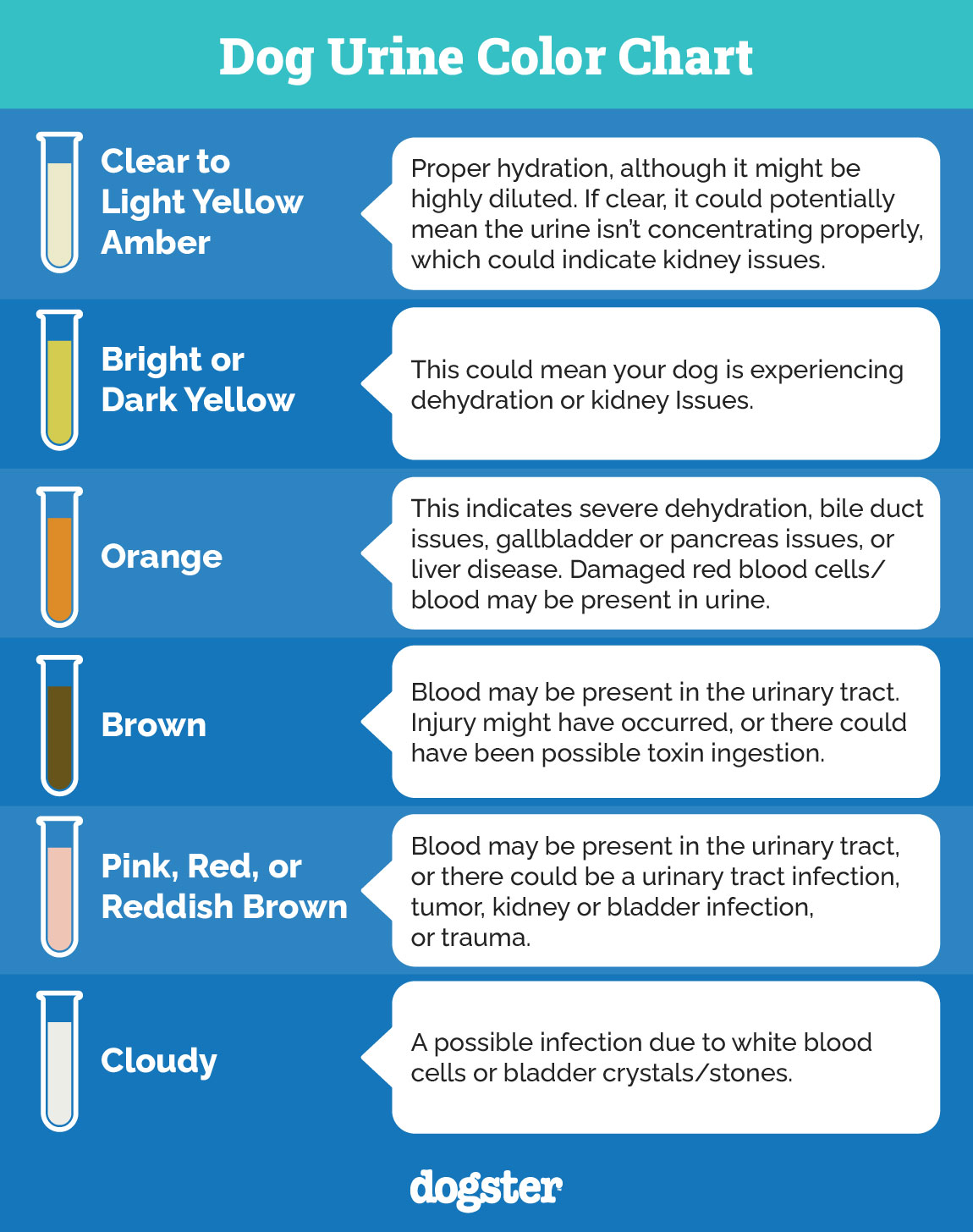
Image Source: www.dogster.com
Deciphering Normal Dog Urine Color
Before worrying about dark yellow pee, it helps to know what normal looks like. Healthy dog urine is typically a pale to medium yellow color. It should not be overly strong smelling, cloudy, or contain blood or other particles. The shade of yellow depends on how much water your dog drinks and how much waste their body needs to flush out. Think of it like making tea: a little water makes strong tea, and a lot of water makes weak tea.
Primary Reasons for Dark Yellow Dog Urine
The most common reasons your dog’s pee looks dark yellow are simple lifestyle factors. However, some serious medical conditions can also cause this symptom.
Dehydration: The Most Frequent Culprit
Dehydration is the number one cause of concentrated dog urine. When a dog does not drink enough water, their kidneys try to conserve fluid. To do this, they make the urine very strong and dark yellow to hold onto as much water as possible. A dehydrated dog will often show other signs too.
Signs Your Dog Might Be Dehydrated
If dehydration is the cause, you might notice more than just dark pee. Look for these other signs:
- Dry Gums: Gently lift your dog’s lip. Healthy gums should be pink and moist. Dry, sticky gums mean they need water fast.
- Slow Skin Turgor: Pinch the skin lightly on the back of the neck. In a well-hydrated dog, the skin snaps back right away. In a dehydrated dog, the skin stays “tented” for a moment before flattening.
- Lethargy: The dog seems tired or slow.
- Thick Saliva: Their mouth might seem drier than usual.
Addressing Dog Low Water Intake
If you suspect dog low water intake, the solution is simple: encourage more drinking.
- Fresh Water: Always have several bowls of fresh, clean water available. Change the water daily.
- Water Fountains: Some dogs prefer running water. Try a pet water fountain.
- Add Moisture to Food: If your dog eats dry kibble, try adding a little warm water or low-sodium broth to their meal. This adds hidden hydration.
- Frequent Offers: If you have a puppy or an elderly dog, take them out more often to encourage drinking and bathroom breaks.
If your dog is drinking fine but still has dark urine, the issue moves beyond simple thirst.
Diet and Urine Color
What your dog eats can influence their urine color. This is often related to the dog diet and urine color.
Vitamin Supplements
Many over-the-counter vitamin supplements contain high levels of B vitamins, especially B2 (riboflavin). These vitamins are water-soluble. When the dog’s body uses what it needs, the excess is flushed out in the urine. This often results in bright yellow dog pee or a shade even darker than usual. While usually harmless, it’s important not to over-supplement your pet.
Food Coloring and Specific Foods
Some highly processed dog foods might contain artificial coloring. While less common today, dyes can temporarily affect urine color. Similarly, foods rich in certain natural pigments (like carrots or beets, though less common in standard dog diets) can sometimes alter the shade.
Medical Causes of Dark Yellow Urine
When proper hydration and diet don’t explain the dark yellow urine, it is time to look deeper into potential health problems affecting the organs that manage fluid balance and waste removal.
Kidney Issues
The kidneys are vital for filtering waste and controlling water balance. If the kidneys are not working well, they cannot concentrate or dilute urine properly.
Dog Kidney Problems
Dog kidney problems, such as chronic kidney disease (CKD), force the kidneys to work overtime. In earlier stages, the kidneys might struggle to reabsorb enough water, leading to the body trying to compensate by producing very concentrated dog urine. Later, the kidneys might struggle to concentrate urine at all, leading to excessive, pale urination, but during phases of acute stress or dehydration linked to kidney failure, the urine can become very dark.
Symptoms often include:
- Increased thirst (dog excessive thirst).
- Weight loss.
- Vomiting or poor appetite.
If your senior dog suddenly starts drinking much more and peeing more frequently (polyuria and polydipsia), coupled with dark urine sometimes, kidney failure is a major concern a veterinarian must investigate.
Liver Disease
The liver plays a key role in processing waste products, especially bilirubin. Bilirubin is a yellow-orange pigment formed from the breakdown of old red blood cells.
Dog Liver Issues
When the liver cannot process bilirubin effectively (due to dog liver issues like hepatitis or failure), bilirubin builds up in the blood. This excess spills into the urine, turning it a very dark, almost tea-colored or brownish-yellow hue. This is a serious sign.
Look for these accompanying signs of liver trouble:
- Jaundice (yellowing of the gums, whites of the eyes, or skin).
- Vomiting or diarrhea.
- Abdominal swelling.
- Changes in behavior or confusion.
Urinary Tract Infections (UTIs)
A dog urinary tract infection involves bacteria or inflammation in the bladder or urethra. While UTIs often cause cloudy urine or blood in the urine (pink or red tinge), sometimes the concentration of inflammatory cells and bacteria can make the urine appear much darker yellow than normal.
If a UTI is present, you will likely notice behavioral changes during urination:
- Straining to urinate (dysuria).
- Frequent, small urinations.
- Licking the genital area excessively.
- Painful urination (crying out).
Less Common, But Important, Causes
Beyond simple concentration or major organ issues, a few other factors can affect urine color.
Certain Medications
Some drugs your dog takes can drastically change urine color. For example, certain medications used to treat infections or inflammation can cause urine to turn a dark yellow or even orange. Always check the side effects listed for any new medication your veterinarian prescribes.
Diabetes Mellitus
Diabetes causes the body to produce large amounts of sugar that spills into the urine. While the primary sign is usually pale, excessive urination and thirst (dog excessive thirst), if the dog is also slightly dehydrated due to poor fluid balance caused by the disease, the urine concentration might appear darker yellow at certain times of the day.
When to See the Veterinarian: The Yellow Alert
When should you stop monitoring at home and call the vet? Any persistent change in your dog’s urine warrants a check-up. However, seek immediate veterinary care if the dark yellow color is paired with any of the following red flags:
| Symptom Pairing | Possible Serious Cause |
|---|---|
| Dark Yellow + Extreme Thirst/Urination | Kidney disease, Diabetes |
| Dark Yellow + Yellow Skin/Eyes (Jaundice) | Severe liver disease |
| Dark Yellow + Pain or Straining | Severe UTI or blockage |
| Dark Yellow + Lethargy/Vomiting | Systemic illness, severe dehydration |
| Dark Yellow + No Drinking at All | Acute, severe dehydration |
Analyzing the Urine Sample
If you go to the vet because of dog urine color changes, they will likely ask for a fresh sample. How they collect it matters for accurate testing.
Methods of Sample Collection
- Free Catch (Voided Sample): You collect the urine stream mid-flow in a clean container. This is easiest but most prone to contamination from the environment or the dog’s genitals.
- Mid-Stream Clean Catch: Wiping the vulva or penis clean before collection, aiming for the middle part of the urination. This is preferred for accuracy.
- Cystocentesis (Sterile Sample): The vet uses a very fine needle to draw urine directly from the bladder through the abdominal wall. This is the gold standard for testing for infection because the sample is sterile.
What the Vet Tests For
A lab will analyze the dark yellow urine sample for several factors:
- Specific Gravity (SG): This measures how concentrated the urine is. A very high SG confirms severe dehydration or kidney concentrating ability issues.
- Bilirubin: High levels confirm dog liver issues.
- Protein and Glucose: Elevations can point toward kidney or diabetic problems.
- Bacteria and White Blood Cells: These confirm an active dog urinary tract infection.
Fathoming Concentration: Specific Gravity Explained
The concentration of your dog’s urine is one of the most important diagnostic clues. We measure this using Specific Gravity (SG).
| Specific Gravity Reading | Interpretation | Meaning |
|---|---|---|
| 1.001 – 1.015 | Dilute Urine | Dog is drinking lots of water, or kidneys cannot hold water (Kidney disease). |
| 1.025 – 1.060 | Concentrated Urine | Dog is dehydrated, or body is trying hard to conserve water. |
| Isosthenuria (Around 1.015) | Fixed Urine Output | Kidneys cannot respond to the body’s needs; a serious sign of kidney failure. |
If a test shows a very high SG alongside dark yellow pee, your vet will focus on improving hydration immediately.
Differentiating Dark Yellow from Other Colors
It is easy to mistake dark yellow for orange, brown, or amber. Being specific helps the vet narrow down the cause.
Amber or Dark Brown Yellow
This shade often indicates very concentrated dog urine due to severe dehydration. However, it can also signal the presence of old blood or significant liver dysfunction releasing excess bilirubin. If it looks like tea or cola, call the vet.
Bright Yellow Dog Pee
While sometimes seen after massive vitamin intake, bright yellow dog pee can sometimes be associated with certain metabolic issues or medications that flush out certain compounds rapidly. If it is vibrant and unnaturally bright, it needs checking.
Yellow-Green or Cloudy Yellow
This often suggests infection or inflammation. If it is cloudy, it usually means there are white blood cells, bacteria, or crystals present, strongly suggesting a dog urinary tract infection.
Long-Term Management for Urine Health
Once the immediate cause of the dark yellow urine is addressed, focus on preventative care to maintain healthy hydration and kidney function.
Hydration Maintenance
If your dog is prone to getting dehydrated, proactive measures are key. This is especially important for older dogs or dogs with underlying conditions like diabetes that predispose them to fluid imbalance.
- Scheduled Water Breaks: For dogs reluctant to drink, schedule times throughout the day where you offer water, perhaps paired with a short walk.
- Wet Food Transition: If your dog is a poor drinker, switching entirely or partially to canned food can drastically increase daily fluid intake.
Regular Wellness Checks
For middle-aged and senior dogs, routine blood work is crucial for catching subtle dog kidney problems or dog liver issues before they become life-threatening emergencies. Early detection allows for dietary changes and medication management that can significantly extend quality of life.
Frequently Asked Questions (FAQ)
Is dark yellow urine always a sign of illness in a dog?
No, not always. The most common reason for concentrated dog urine that appears dark yellow is simple dehydration due to dog low water intake or high activity levels. If it resolves after offering water, it is usually not serious. If it persists, it could signal illness.
Can stress make my dog’s urine dark yellow?
Stress doesn’t directly change urine color in the way that dehydration does, but severe stress can sometimes lead to a dog refusing to drink water for a period. This subsequent dehydration will then cause dark yellow urine.
My puppy has bright yellow pee after getting puppy vitamins. Should I stop giving them?
If the color is very bright yellow dog pee right after giving vitamins (especially B vitamins), it is usually just the excess being excreted and is generally not harmful. However, you should always confirm the proper dosage with your veterinarian and avoid supplementing without professional guidance, as too many vitamins can cause other problems.
What if my dog has dark urine and is also showing signs of dog excessive thirst?
This combination—dark urine sometimes, but overall increased thirst and urination—is a strong indicator that the kidneys are struggling to manage fluid balance. This warrants an urgent visit to the vet to test for diabetes or early-stage dog kidney problems.
How quickly should I see a vet if I notice my dog peeing dark yellow?
If the urine is just slightly darker than normal, try to encourage water intake for 12-24 hours and monitor. If the urine remains very dark, or if you notice any other symptoms like lethargy, vomiting, refusal to eat, or signs of pain during urination (suggesting a dog urinary tract infection), seek veterinary advice the same day. If the urine is brown or black, go to the emergency vet immediately.