
What is a protection dog trainer? A protection dog trainer teaches dogs specialized skills to guard people or property. This job requires deep knowledge of dogs, firm training methods, and strong ethics. This guide shows you the steps to start this challenging career.
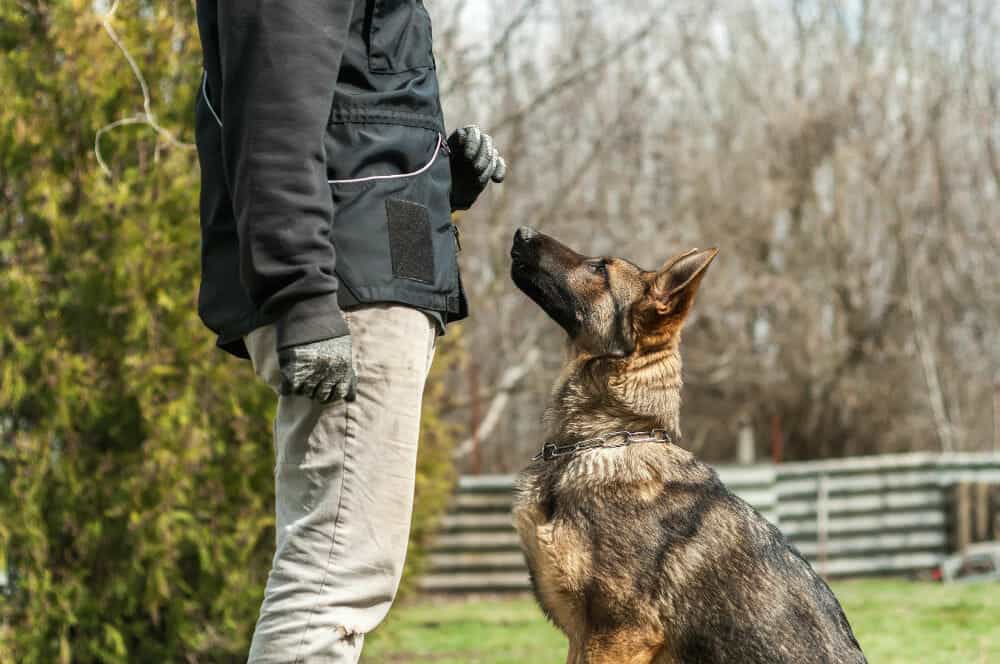
Image Source: scottsk9.com
The Path to Becoming a Protection Dog Trainer
Becoming a successful protection dog trainer is not simple. It takes years of hard work and dedication. You need more than just loving dogs. You need specific skills and education.
Gaining Foundational Knowledge
Before focusing on protection work, you must master basic dog training. This forms the base of all future advanced training.
Essential Education for Dog Trainers
Start with solid, proven education. This gives you the basics you need. Look for programs that focus on science-based methods.
- Professional Dog Trainer Education: Seek out reputable courses or apprenticeships. These teach you learning theory, canine body language, and basic obedience.
- Dog Behavior Modification for Protection: Protection work often deals with strong drives. You must know how to change unwanted behaviors safely. This is crucial for shaping the protective instincts correctly.
- Canine Learning Theory: Know how dogs learn best. Use positive reinforcement alongside firm corrections when needed for protection work. This balance is key.
Mastering Dog Temperament Testing
A top protection dog needs the right natural drive and nerve. You must learn to assess this accurately.
- Dog Temperament Testing: Learn to read a dog’s reactions under pressure. A good temperament means the dog is confident, not overly nervous or aggressive without cause. Bad nerves lead to dangerous dogs.
Developing Specialized Skills for Protection Work
Once you have the basics, you move into the specifics of protection training.
Advanced Obedience for Protection Dogs
Protection dogs must obey perfectly, even when stressed. This obedience must be rock solid.
- Advanced Obedience for Protection Dogs: Training involves high distraction proofing. The dog must respond instantly to commands like “Out” (stop biting) or “Heel” in chaotic situations. This takes much longer than basic obedience.
Comprehending Dog Aggression Management
Handling natural aggression or teaching controlled aggression is central to this field.
- Dog Aggression Management: This skill teaches you to recognize when a dog might bite inappropriately. You learn how to lower unnecessary aggression while keeping the protective drive sharp. This is where ethics matter most.
The Art of Bite Work Training
Bite work is the most visible part of protection training. It requires precision and safety.
- Bite Work Training: This involves teaching the dog to bite a designated helper (decoy) on command and, more importantly, to release on command. Decoys wear protective gear. The training focuses on control, targeting the sleeve or suit, and building grip strength safely. Poor bite work training creates dangerous, uncontrollable dogs.
Seeking Certification and Professional Development
To be taken seriously, you need proof of your skills.
Protection Dog Training Certification
Certification shows clients you meet industry standards.
- Protection Dog Training Certification: Research organizations that offer recognized certifications. These usually require passing written exams on theory and practical tests involving real training scenarios. Certification bodies vary widely in rigor, so choose carefully.
Exposure to Police and Sport Standards
Professional standards often come from law enforcement or competitive sports.
- Police Dog Handler Course Experience: While you may not become a police handler, learning from these programs is invaluable. These courses focus heavily on handler control, public safety, and legal constraints.
- K9 Protection Sports: Competing in sports like Schutzhund (IGP) or Mondio Ring provides structured testing. These sports test obedience, tracking, and protection work in a controlled, competitive setting. This exposure refines your training methods.
Apprenticeships and Mentorship: The Real School
Formal education is good, but practical experience under an expert is essential.
Finding the Right Mentor
This career demands hands-on learning that books cannot replace.
- Apprenticeship Programs: Seek out established, respected protection kennels. A good apprenticeship might last two to five years. You start by caring for dogs, then assisting with basic obedience, and slowly move into bite work preparation.
- Ethical Considerations in Mentorship: Ask tough questions: How do they test dogs? What happens to dogs that fail temperament testing? A good mentor prioritizes safety and control above all else.
Setting Up Your Protection Dog Training Business
Once skilled, you need to transition into running your own operation.
Legal and Ethical Responsibilities
Working with powerful, trained protection dogs brings huge legal risk.
Business Structure and Insurance
You must protect yourself and your clients legally.
- Liability Insurance: This is non-negotiable. High-level liability insurance covering working dogs is expensive but necessary. One mistake can bankrupt you without it.
- Contracts and Waivers: Have lawyers review all client contracts. Clients must know the risks involved in owning and training a protection dog.
Maintaining High Ethical Standards
Your reputation rests on the safety record of your dogs.
- Control Over Drive: Never train a dog that shows instability. A protection dog must be an asset, not a liability. If a dog cannot reliably turn the aggression “off,” it should not be placed as a personal protection dog.
The Working Dog Spectrum: From Sport to Personal Security
Protection dog training covers a wide range of applications. Trainers often specialize.
| Application Area | Focus | Primary Skills Required |
|---|---|---|
| Personal Protection Dogs | Guarding a specific person or family in daily life. | Excellent obedience, situational awareness, calm demeanor off-duty. |
| Sport Dogs (IGP/Ring) | Competition based on strict rule sets. | High drive, flawless execution of complex sequences. |
| Executive/VIP Protection | Guarding high-profile individuals in public. | Advanced socialization, deep threat assessment skills. |
| Patrol/Detection K9s (Related Field) | Law enforcement or security patrol work. | Odor detection, tactical obedience, specialized control training. |
Working with Clients and Their Dogs
Most clients seek a family companion that can also protect. This requires careful matchmaking and client coaching.
Selecting the Right Candidate Dog
Not every dog has what it takes to be a protection dog.
- Rigorous Selection: Trainers often start with young prospects chosen specifically for high nerve, strong drive, and good social skills. Many dogs wash out of training programs.
- Drive vs. Aggression: Fathoming the difference between high drive (eagerness to work) and uncontrolled aggression is vital. You are breeding controlled defense, not random hostility.
Client Education and Home Integration
The dog is only half the equation; the owner is the other half.
- Owner Training: You spend significant time teaching the owner how to handle the dog in real-world scenarios. This includes leash handling, commanding the dog, and recognizing warning signs.
- Advanced Obedience for Protection Dogs: The owner must master the same advanced obedience commands you teach the dog so they can maintain control 24/7.
Common Training Methods in Protection Work
Protection training relies on shaping natural drives using proven methods, often blending older techniques with modern science.
Developing The Dog’s Protective Drive
The goal is to channel the dog’s instinct to guard its resources or territory.
- Building Confidence: The dog must be confident to offer protection. Training often involves creating scenarios where the dog succeeds in a challenging task, boosting its self-assurance.
- The Use of Decoys: Decoys (or helpers) are essential. They simulate a threat. They wear protective sleeves or bite suits. Decoys must be skilled professionals who know how to present a threat that builds drive correctly without frightening the dog.
Precision in Bite Work Training
Controlling the bite is more important than initiating it.
- Targeting the Sleeve: Training focuses on precise targeting—the dog should only bite the provided equipment (sleeve or suit). Poorly trained dogs may bite clothing, hands, or objects indiscriminately.
- The “Out” Command: This is the most critical command. The dog must immediately stop biting and return to the handler upon hearing the “Out” command. This demands hundreds of repetitions under high stress.
Addressing Potential Issues Through Behavior Modification
Sometimes, the natural drive needs adjustment.
- Dog Behavior Modification for Protection: If a dog is overly hesitant or shows signs of being too soft (not standing up to pressure), specific psychological exercises are used to build nerve. Conversely, if a dog is too sensitive, careful desensitization may be required before advanced work.
The Future of Protection Dog Training
The industry is constantly evolving, driven by technology and public perception.
Staying Current with Training Standards
The best trainers never stop learning.
- Continuing Education: Attend workshops focused on new advancements in dog cognition and training technology. Keep up with legal changes regarding canine ownership and use.
- Networking: Connect with other high-level trainers. Sharing insights, especially regarding challenging cases, improves the overall standard of protection dog training.
Transparency and Public Trust
Public perception of protection dogs can be negative due to media portrayals or badly trained animals.
- Promoting Ethical Training: Trainers must champion the controlled, ethical nature of modern protection work. Showcasing well-mannered dogs in public (even if they are highly trained) builds trust. This contrasts sharply with the image of an unpredictable aggressive dog.
Frequently Asked Questions (FAQ) About Becoming a Protection Dog Trainer
How long does it take to become a qualified protection dog trainer?
It typically takes five to ten years to become truly qualified. This includes 1-3 years of foundational professional dog trainer education, followed by 2-5 years of intense, specialized apprenticeship focusing on bite work training and advanced obedience for protection dogs. Certification exams must also be passed.
Do I need to have experience as a police dog handler course graduate?
No, it is not strictly required, but experience or deep knowledge gained from studying police dog handler course protocols is highly beneficial. These standards emphasize public safety and control, which are crucial for civilian protection dog training.
Is it dangerous to train protection dogs?
Yes, it carries inherent risk. This is why working with experienced decoys and prioritizing dog temperament testing is vital. Safety protocols must be strictly followed during bite work training to protect the decoy, the dog, and the handler.
What are the major differences between sport training and personal protection dog training?
Sport training (K9 protection sports) follows strict rules set by governing bodies, rewarding specific performance metrics. Personal protection dog training focuses on real-world scenarios, handler safety, and control in unpredictable civilian environments. While they share foundational bite work training, the application goals differ significantly.
How do I handle dog aggression management if I deal with a dog that bites inappropriately?
If a dog shows uncontrolled aggression outside of training scenarios, immediate action is needed. This requires intensive dog behavior modification for protection or, if the dog cannot be safely modified, removing it from protection training entirely. Ethical trainers prioritize public safety over completing a sale or training program.