
Can a dog drown quickly? Yes, a dog can drown surprisingly fast, sometimes in as little as 30 seconds to one minute, especially if they panic or are very young or old. This speed highlights the critical importance of dog water safety and knowing what to look for.
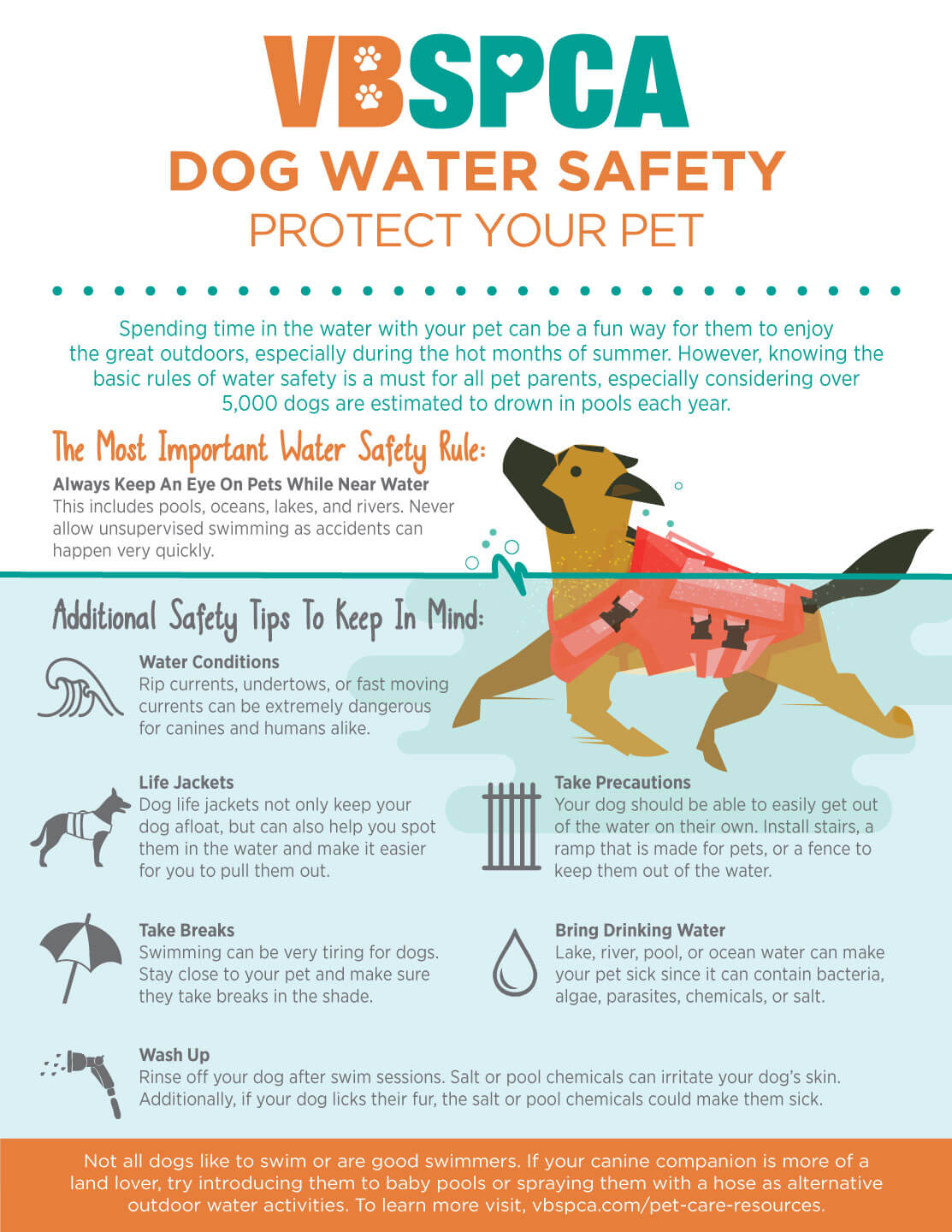
Image Source: vbspca.com
Deciphering the Speed of Canine Drowning
The rate at which a dog drowns is not fixed. It depends on many things. Some dogs can fight the water longer than others. But panic is often the fastest killer. When a dog starts to sink, fear takes over. This stops them from using their natural swimming instincts.
Factors Influencing Drowning Time
Several key factors speed up or slow down the drowning process in dogs. Knowing these can help owners prepare better.
- Swimming Skill and Fitness: A fit dog that knows how to swim can stay afloat longer. However, even good swimmers can tire out if they are in rough water or cold conditions.
- Water Temperature: Cold water drains a dog’s energy fast. Hypothermia sets in quickly. This makes it hard for the dog to keep paddling.
- Age and Health: Very young puppies have little stamina. Older dogs or dogs with breathing issues (like flat-faced breeds) struggle more. Puppy drowning risk is very high because they tire easily and don’t understand the danger.
- Panic Level: Panic is the biggest factor. When a dog panics, it stops dog paddling. They might try to swim straight down or inhale water, making the situation worse instantly.
Time it takes for a dog to drown varies widely. In a complete panic, it can be less than a minute. If they are calm but exhausted, it might take a few minutes longer.
The Mechanics of Dog Drowning
People often think dogs float easily. While most dogs paddle, some breeds are poor swimmers naturally. Also, drowning is often silent.
Breed Differences in Dog Swimming Ability
Not all dogs take to water naturally.
| Breed Group | Swimming Tendency | Key Concerns |
|---|---|---|
| Sporting/Retrievers | High | Generally strong, enjoy water. |
| Terriers/Hounds | Moderate | Some struggle due to body shape or lung capacity. |
| Non-Sporting/Brachycephalic | Low to Very Low | Breeds like Pugs, Bulldogs often cannot keep their heads above water due to short snouts. |
| Working Breeds (e.g., Newfoundlands) | Very High | Bred for water rescue; natural buoyancy. |
A dog that cannot keep its nose above water is at extreme risk. They will inhale water quickly, leading to a faster onset of respiratory distress.
What Happens When a Dog Inhales Water?
When water enters the lungs, it interferes with oxygen exchange. This is called aspiration.
- The dog starts to gasp for air.
- This gasping pulls more water in.
- The dog becomes starved for oxygen very fast.
This is why you won’t always hear loud splashing or frantic barking. If you see signs a dog is struggling in water, act immediately.
Identifying Distress: Dog Drowning Signs
The most dangerous part of dog drowning is how quiet it often is. People expect thrashing, but often, it looks like a dog is just treading water nervously.
Subtle Warning Signs to Watch For
If your dog is in the water, look for these subtle cues:
- Head Position: The dog’s head is low in the water, often tilted back. They struggle to keep their nose above the surface.
- Lack of Leg Movement: Instead of proper dog paddling, the legs might be moving stiffly or just churning water beneath the surface, not propelling the body forward or upward.
- Silence: A dog in trouble usually stops barking or whining because they are trying to save energy to breathe.
- Eyes Wide Open: Their eyes may look frantic or wide open, showing stress.
- Climbing: They might try to climb onto another person, dog, or even the edge of the pool, often digging at surfaces for traction.
If you notice any of these signs a dog is struggling in water, move to immediate action. Do not assume they are just playing.
The Difference Between Playing and Struggling
| Behavior | Playing in Water | Struggling/Drowning |
|---|---|---|
| Movement | Energetic splashing, often focused on toys. | Stiff, ineffective paddling, trying to keep head up. |
| Vocalization | Excited barks, happy whining. | Silence or panicked gasping sounds. |
| Body Angle | Mostly horizontal, able to surface easily. | Vertical or head-dipping motion; sinking. |
| Interaction | Engages with owners or toys. | Ignores commands, focused only on staying afloat. |
Water Depth and Buoyancy
The dog drowning depth is irrelevant if the dog cannot touch the bottom or reach the edge. A dog can drown in very shallow water if they panic and slip under.
Shallow Water Dangers
Many people feel safe near the shore or in a wading pool. However, puppy drowning risk is very high here. A small puppy can easily slip on mud or sand, hit its head, or simply become disoriented in just a few inches of water. They inhale water without ever going fully under.
For larger dogs, even if they can stand, exhaustion or slippery pool sides can prevent them from regaining their footing, leading to panic and submersion.
Emergency Response: How to Rescue a Drowning Dog
If you see signs of distress, seconds count. Fast, safe action is necessary.
Safety First for the Rescuer
Never jump into the water to save a drowning dog if you are not a strong swimmer or if the water is rough. A panicked dog will instinctively grab onto the nearest solid object—and that might be you.
- Reach: If possible, extend a pool noodle, towel, pole, or branch toward the dog.
- Throw: If reaching isn’t possible, throw a floatation device (like a life vest or buoy) near the dog so they can grab onto it.
- Go (Last Resort): Only enter the water if you can safely reach the dog without putting yourself in danger.
Approaching the Dog Safely
If you must enter the water:
- Approach from behind if possible.
- Do not grab the dog’s head or neck immediately.
- Use a scoop motion to lift them under the chest or belly.
- If the dog resists, try to use a flotation aid as a barrier between you and the dog’s mouth.
Once you secure the dog, point them toward the nearest safe exit point—steps, a gentle slope, or the shore. Do not try to carry a large, struggling dog far through the water.
Post-Incident Care: Can a Dog Survive Drowning?
Yes, dogs can survive drowning, but immediate and expert medical care is vital, even if the dog seems fine afterward.
The Danger of Secondary Drowning (Dry Drowning)
This is a critical point for dog water safety. Even if your dog coughed out most of the water and seems normal after being pulled out, they might still be in danger. This is called secondary drowning, or “dry drowning.”
Water inhaled into the lungs can cause inflammation and fluid buildup hours later. This process severely limits the lungs’ ability to process oxygen.
Symptoms of Secondary Drowning (appearing up to 24 hours later):
- Persistent coughing
- Lethargy or extreme tiredness
- Difficulty breathing or rapid, shallow breaths
- Pale or blue gums
- Vomiting
If your dog spent more than a few seconds with its face submerged, seek veterinary care immediately. Tell the vet exactly how long the dog was in the water and what happened.
First Aid Steps on Shore
If your dog is limp after rescue:
- Clear the Airway: Gently open the mouth. Pull the tongue forward. Look for debris. Quickly swipe out any visible obstructions.
- Check Breathing: Watch the chest for movement.
- Administer CPR (If Trained): If you are trained in pet CPR, begin chest compressions and rescue breaths immediately. Focus on getting air into the lungs.
- Keep Warm: Wrap the dog in a towel or blanket to prevent hypothermia, which compounds the shock from the event.
Prevention: The Foundation of Dog Water Safety
Prevention is always easier than rescue. Because the time it takes for a dog to drown is so short, continuous supervision is non-negotiable around water.
Essential Safety Gear
Life jackets are perhaps the single most important piece of equipment for dogs around boats or open water.
- Fit Matters: The vest must fit snugly. It should have a handle on the back to easily lift the dog.
- Visibility: Choose bright colors so you can spot your dog easily, especially in choppy conditions.
- Non-Swimmers: Even strong swimmers should wear vests near boats or strong currents. A vest provides an extra safety net if they get tired or injured.
Pool Safety Protocols
Pools present unique dangers because they often have slippery edges and deep ends.
- Teach Pool Exit: Train your dog from a young age how to find and use the steps or the shallowest point to exit the pool. Practice this repeatedly.
- Constant Supervision: Never leave a dog unsupervised near a pool, even for a minute.
- Fencing: If you have a pool, secure it with a four-sided fence that has a self-latching gate. This prevents accidental access.
- Shallow End Focus: When introducing a dog to a pool, always keep them in the shallow end until they are comfortable.
Boat Safety
When boating, dogs should wear life vests and be kept away from the rails where they might jump overboard unexpectedly.
- Entry/Exit: Always plan how the dog will get back onto the boat if they fall in. A built-in dog ramp is ideal.
- No Sudden Stops: Sudden stops or turns can throw a dog overboard.
Addressing Specific Risk Groups
Certain dogs face higher risks due to physical limitations.
The Puppy Drowning Risk
Puppies lack the muscle coordination and stamina of adult dogs. Their bodies lose heat much faster. They do not instinctively know how to tread water correctly for long periods. For puppies, small containers of water, buckets, or even deep puddles pose a risk if they fall in and cannot right themselves. Strict adherence to supervision is necessary until they are fully grown and experienced swimmers.
Brachycephalic Breeds
Flat-faced dogs (Bulldogs, Boxers, Shih Tzus) have shortened airways.
- They tire quickly when exerting themselves.
- Their facial structure makes it very hard to lift their nostrils clear of the water consistently.
- For these breeds, life vests with strong neck support (to keep the head tilted back) are mandatory near any body of water.
Final Thoughts on Preparedness
Knowing how fast can a dog drown serves as a sobering reminder. Water environments—lakes, rivers, oceans, and even backyard pools—demand respect. Regular practice swimming in safe areas, investing in proper flotation gear, and vigilantly watching for dog drowning signs are the best ways to ensure happy and safe aquatic adventures for your canine companion. Never underestimate the water, and always be ready to rescue a drowning dog swiftly.
Frequently Asked Questions (FAQ)
How long can a dog hold its breath underwater?
A healthy, calm dog can hold its breath for maybe 30 to 60 seconds, similar to humans, but only if they are consciously trying to hold it. In a panic situation, or if water forces its way in, they will reflexively inhale much sooner.
Can dogs drown in shallow water?
Yes. A dog can drown in very shallow water if they slip, panic, hit their head, or if water fills their nasal passages and prevents breathing. This is a major concern for small puppies.
What is the first step to help a dog that is struggling in water?
The first step is to provide a floating aid (like a life jacket, toy, or pool noodle) for the dog to grab. Only enter the water yourself if it is safe for you to do so, prioritizing your own safety over an immediate water rescue.
Do all dogs swim naturally?
No. While many dogs paddle instinctively, certain breeds (especially those with heavy bodies, short legs, or flat faces) have poor natural dog swimming ability and may need constant assistance or flotation devices.
What is “dry drowning” in dogs?
Dry drowning, or secondary drowning, occurs when a small amount of water enters the lungs, causing spasms and inflammation that lead to fluid buildup later on, sometimes hours after the incident. Always seek vet care after any near-drowning event.