
A good dog food for Labs offers a balanced mix of protein, healthy fats, necessary vitamins, and minerals tailored to their energy levels and life stage. Finding the best dog food for Labs means looking for formulas that support their joint health, manage their tendency to gain weight, and use high-quality ingredients.
Labrador Retrievers are one of the most popular dog breeds worldwide. They are active, friendly, and often very enthusiastic eaters. This love for food is part of their charm, but it also makes them prone to obesity. Choosing the right Labrador retriever diet is crucial for a long, healthy life. This guide will help you pick the best kibble for Labradors and navigate the many choices available.
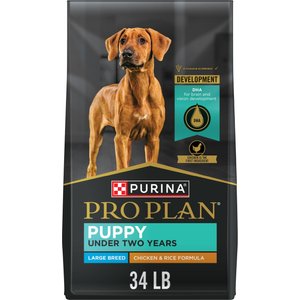
Image Source: image.chewy.com
Core Nutritional Needs of Labrador Retrievers
Labs have specific needs that good dog food should meet. They are a medium-to-large breed with high energy. Their diet must support their active lifestyle while keeping their weight in check.
Protein for Muscle Mass
Labs are athletic dogs. They need good protein for strong muscles. Look for foods where the first ingredient is a named meat source. This means real chicken, beef, fish, or lamb. Protein helps them repair muscles after playing fetch or swimming.
- Good Sources: Chicken, turkey, beef, salmon, eggs.
- Avoid: Vague terms like “meat byproduct” as the primary protein source.
Healthy Fats for Skin and Coat
Labradors are known for their beautiful, water-resistant double coats. Healthy fats keep this coat shiny and the skin healthy. Fats also provide vital energy for active Labs. Omega-3 and Omega-6 fatty acids are very important.
- Key Fats: Fish oil (for Omega-3s like EPA and DHA), flaxseed, and sunflower oil.
Controlled Calories for Weight Management
This is perhaps the most important part of feeding a Labrador. Labs love to eat. They often act like they are starving, even when they are full. They gain weight easily. Excess weight stresses their joints, which can lead to hip and elbow problems later on.
Managing Labrador weight with food starts with the right calorie count. Look for formulas labeled for “maintenance” or “weight management” once they are adults. Always measure food precisely. Never free-feed (leaving food out all day).
Joint Support Ingredients
Because Labs can suffer from hip and elbow dysplasia, adding joint-supporting nutrients is wise. These ingredients help keep their cartilage healthy as they age.
- Glucosamine and Chondroitin: These are common additives in quality dog foods designed for large breeds.
Choosing the Best Dog Food for Labs by Life Stage
A puppy needs different things than a senior dog. The Labrador retriever diet must change as the dog matures.
Puppy Food for Labradors (Up to 12–18 Months)
Labs grow quickly. Rapid growth can sometimes cause bone problems. Therefore, puppy food for Labradors must be carefully chosen.
Focus on Controlled Growth
Puppy food for large breeds is key. It has a specific balance of calcium and phosphorus. Too much of these minerals can cause bones to grow too fast and unevenly.
- Calorie Density: Puppy food has more calories for energy to fuel their rapid development.
- DHA: This nutrient, often found in fish oil, supports brain and vision development.
Feeding Schedule
Puppies need frequent, small meals. Feed three times a day until about six months old. Then, switch to twice a day. Always follow the feeding guidelines on the high-quality dog food for Labradors bag, but adjust based on the puppy’s body condition score.
Adult Maintenance Food
Once a Lab reaches about 15 months, switch slowly to adult food. This food should have fewer calories than puppy food. The goal is maintenance, not rapid growth.
- Ideal Body Condition: You should be able to easily feel your Lab’s ribs without pressing hard. When viewed from above, they should have a visible waist tuck.
Senior Labrador Food
When your Lab slows down, usually around seven or eight years old, consider senior Labrador food.
What Senior Food Offers
Senior formulas generally have:
- Fewer calories to prevent weight gain as activity drops.
- Higher levels of joint support supplements (Glucosamine/Chondroitin).
- Easier-to-digest proteins and more fiber for digestive health.
Dry Kibble vs. Wet Food vs. Specialized Diets
Most owners feed dry kibble because it is easy, cost-effective, and good for dental health. However, some owners explore other options.
Best Kibble for Labradors
Kibble is the most common choice. When selecting the best kibble for Labradors, look closely at the ingredient list.
| Feature | What to Look For | Why It Matters for Labs |
|---|---|---|
| First Ingredient | Named Meat (e.g., Deboned Chicken) | Ensures high-quality, usable protein. |
| Fat Content | Moderate (12% to 18% on a dry matter basis) | Provides energy without causing rapid weight gain. |
| Fiber | Moderate to high (3% to 5%) | Helps Labs feel full longer, aiding weight control. |
| Fillers | Whole grains (oats, brown rice) or vegetables | Provides needed vitamins and slow-release energy. |
Wet Food Considerations
Wet food is highly palatable (tasty!) and has high moisture content. While dogs love it, it is more expensive and less helpful for scraping tartar off teeth. Many owners mix a small amount of wet food with kibble for variety.
Grain-Free Food for Labs: A Necessary Choice?
The trend toward grain-free food for Labs is popular, often driven by concerns over grain allergies. However, veterinary science suggests that grains are not the main problem for most dogs.
- The DCM Concern: The FDA has investigated a possible link between grain-free diets (especially those high in legumes like peas, lentils, and potatoes used as main carbohydrate sources) and a heart condition called Dilated Cardiomyopathy (DCM).
- Verdict: Unless your Labrador has a diagnosed allergy to a specific grain (like wheat or corn), there is usually no need to choose grain-free. A diet using wholesome grains like rice or oats is often safer and provides good nutrients.
Raw Food Diet for Labradors
Some owners prefer a raw food diet for Labradors (often called BARF—Biologically Appropriate Raw Food). This typically involves feeding raw muscle meat, bones, organs, and some fruits/vegetables.
Pros and Cons of Raw Feeding
| Pros | Cons |
|---|---|
| High palatability (dogs love it). | Risk of bacterial contamination (Salmonella, E. coli) for both dog and human family members. |
| Highly digestible ingredients. | Difficult to balance nutrients perfectly without professional guidance. |
| Excellent coat quality often noted. | Can be expensive and time-consuming to prepare safely. |
If you explore a raw food diet for Labradors, consult a veterinary nutritionist first. Imbalances in raw diets can be serious over time.
Addressing Specific Health Concerns with Food
Labradors have a few common health challenges that specialized nutrition can help manage.
Managing Labrador Weight with Food
This is the biggest dietary battle for Lab owners. Obesity leads to joint issues and a shorter lifespan.
Calorie Calculation
You must know your Lab’s ideal weight. Talk to your vet to confirm this number. Use that number to calculate daily calories, not their current weight if they are overweight.
- Feeding Strategy: Use low-calorie treats (like carrots or green beans) instead of high-fat commercial treats. Feed the daily ration in two measured meals.
- Weight Loss Diets: If your Lab is overweight, switch to a prescription weight-loss formula recommended by your veterinarian. These are very high in fiber and lower in fat.
Labrador Food Allergies
While rare, some Labs develop Labrador food allergies. These usually show up as itchy skin, paw licking, or chronic ear infections, rather than just digestive upset.
Identifying the Culprit
The most common allergens in dogs are proteins, not grains. Beef, chicken, and dairy are frequent culprits.
- Elimination Diet Trial: This is the only true way to diagnose an allergy. Your vet will recommend feeding only a novel protein (like venison or duck) or a hydrolyzed protein diet for 8–12 weeks.
- Novel Protein Diets: These diets use protein sources your dog has never eaten before (e.g., kangaroo, rabbit).
- Hydrolyzed Protein Diets: The protein molecules are broken down so small that the dog’s immune system cannot recognize them as allergens.
If you suspect Labrador food allergies, do not try to guess the food source. Work with your veterinarian for a proper diagnostic plan.
Food for Sensitive Stomachs
Some Labs have sensitive GI tracts that lead to soft stools or gas.
- Look For: Easily digestible ingredients like white rice instead of brown rice (initially). Formulas containing prebiotics (like FOS or MOS) help feed the good gut bacteria. Single-source proteins can also help reduce the number of potential irritants.
Deciphering Dog Food Labels: What to Look For
Learning to read a dog food label is essential for picking the best dog food for Labs. Focus on the ingredient list and the guaranteed analysis panel.
The Ingredient List
Ingredients are listed by weight, heaviest first.
- Top 5 Ingredients: The first five ingredients make up the bulk of the food. You want at least one named meat source in the top three spots.
- Whole Foods vs. Meals: “Chicken meal” is often better than just “chicken.” Chicken meal has had water removed, making it a more concentrated protein source by weight. Whole chicken is about 70% water.
- Avoid: Excessive corn, wheat, and soy (unless necessary for specific needs), artificial colors, artificial preservatives (like BHA, BHT, ethoxyquin). Look for natural preservatives like mixed tocopherols (Vitamin E).
Guaranteed Analysis
This panel shows the minimum percentages of key nutrients:
- Crude Protein: Aim for 22% to 28% for most healthy adults.
- Crude Fat: Aim for 12% to 18%. Lower for overweight or less active dogs.
- Crude Fiber: Aim for 3% to 5% for good digestive health.
Dry Matter Basis Calculation (Advanced Insight)
Dog food labels list nutrients “as fed.” Since kibble is only about 10% moisture, but canned food is 75% moisture, comparing them directly is hard. Calculating the Dry Matter Basis (DMB) tells you the true percentage of nutrients.
Formula Example (Protein %):
% Protein as Fed / (100% - % Moisture) * 100 = % Protein DMB
If a kibble lists 25% protein and 10% moisture:
25 / (100 - 10) * 100 = 27.7% Protein DMB
This calculation helps you compare brands accurately. A high-quality dog food for Labradors will look strong even after the DMB conversion.
Transitioning to a New Food Safely
Switching your Labrador’s food too fast can cause digestive upset, like vomiting or diarrhea. Whether you are moving from puppy food for Labradors to adult food or trying a new brand, always transition slowly over 7 to 10 days.
Slow Transition Schedule
| Day | Old Food Percentage | New Food Percentage |
|---|---|---|
| Days 1–3 | 75% | 25% |
| Days 4–6 | 50% | 50% |
| Days 7–9 | 25% | 75% |
| Day 10+ | 0% | 100% |
If your dog shows mild stomach upset during the transition, slow the process down by adding an extra day or two at the current ratio.
Feeding Guidelines and Portion Control for Labs
Labs are masters of deception when it comes to mealtime. Strict portion control is non-negotiable for their health.
The Body Condition Score (BCS)
Forget measuring cups alone. Use the BCS method. This visual check ensures you are feeding based on what your dog needs, not just what the bag suggests.
- Score 1 (Too Thin): Ribs, spine, and hip bones are very visible. Needs more calories.
- Score 5 (Ideal): Ribs are easily felt with slight pressure. Hourglass shape visible from above. Waist tucked in behind the ribs. This is the goal for adult Labs.
- Score 9 (Obese): No waist visible. Fat deposits over the tail base and hips. Needs immediate diet change.
How Often to Feed Adult Labs
Feed two measured meals per day. This keeps their energy steady and helps prevent bloat (though Labs are less prone to bloat than very deep-chested breeds, consistent mealtimes help).
Summary of Best Practices for Labrador Nutrition
Selecting the best dog food for Labs involves ongoing monitoring and thoughtful ingredient selection.
- Prioritize Protein: Ensure the first ingredient is quality meat.
- Control Calories: Be vigilant about portion sizes to prevent obesity. This is key for managing Labrador weight with food.
- Support Joints: Look for added Glucosamine and Chondroitin, especially in adult and senior Labrador food.
- Avoid Unnecessary Changes: Stick to a proven formula unless a health issue requires a change. Sudden switches cause digestive stress.
- Hydration: Always provide fresh, clean water, especially if feeding dry kibble.
By focusing on high-quality ingredients and strict portion control, you set your Labrador up for a happy and active life.
Frequently Asked Questions (FAQ)
What is the best type of protein for my Labrador?
For most Labs, common high-quality proteins like chicken, turkey, beef, or salmon are excellent choices. If your dog develops itching or digestive issues, you may need to explore novel proteins like duck or venison to rule out Labrador food allergies.
Can I feed my Labrador human food scraps?
It is best to avoid feeding table scraps. Human food is often too high in fat, salt, or spices for dogs, which can lead to pancreatitis (a serious inflammation of the pancreas) or general obesity. If you must give a treat, use small, plain pieces of cooked meat or approved vegetables as part of their measured daily allowance.
How much should I feed my 6-month-old Labrador puppy?
Feeding amounts vary widely based on the specific food’s calorie density and your puppy’s activity level. Always check the feeding chart on the bag of puppy food for Labradors. Generally, a 6-month-old Lab puppy might eat between 2.5 to 4 cups daily, split into three meals. Focus more on maintaining a lean body condition than hitting an exact cup measure.
Are grain-free foods harmful for Labradors?
Grain-free food for Labs is not inherently harmful if the dog is healthy, but it is often unnecessary. Recent FDA investigations suggest that diets substituting grains with high levels of legumes might be linked to heart issues (DCM) in some breeds. Unless your vet confirms a grain allergy, choosing a quality food with healthy whole grains is often the safer default choice for the best kibble for Labradors.
When should I switch from puppy food to adult food?
Most large breeds, including Labradors, should transition to adult food between 12 and 18 months of age. Switching too early means the dog might get too many calories and minerals, causing rapid, potentially damaging growth. Wait until your vet confirms your Lab is finished with most of its major growth period.