
If your dog is swallowing food whole instead of chewing, it is a common worry for many pet owners. While some dogs naturally eat fast, a sudden refusal or inability to chew can point to several underlying issues, ranging from simple training gaps to serious medical concerns like dog dental pain eating.
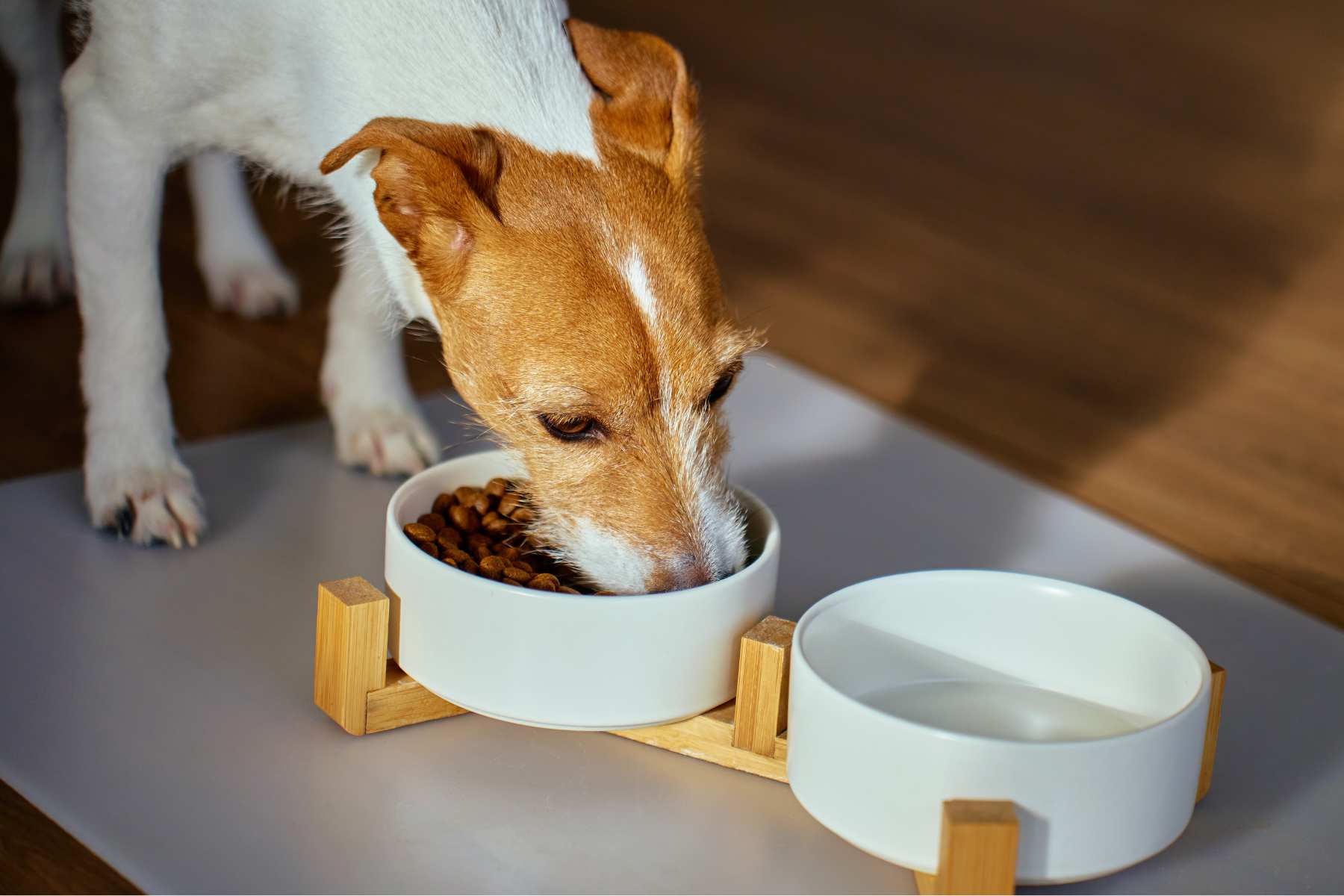
Image Source: www.dewkes.co.uk
Factors Influencing Chewing Habits in Canines
Dogs chew for many reasons. It is a natural behavior linked to play, exploration, and preparing food for digestion. When a dog stops chewing, we must look closely at their environment, training, and health.
Medical Issues Leading to Poor Chewing
Health problems are often the first thing to check when reasons for dog not chewing arise. Pain makes chewing hard or scary.
Oral Pain and Dental Disease
Dental problems are a leading cause of dogs skipping the chew step. If chewing hurts, the dog learns to avoid it.
- Broken or Loose Teeth: Sharp edges or wobbly teeth cause instant pain when pressure is applied.
- Gum Disease (Gingivitis): Swollen, red gums are tender. Even soft kibble can irritate them.
- Tooth Resorption: This painful condition wears away the tooth structure. Many dogs, especially older ones, suffer from it without owners knowing.
- Mouth Sores or Infections: Ulcers or infections in the mouth make the whole process unbearable.
If you notice your puppy refuses to chew food, it might be related to their sharp puppy teeth falling out or new adult teeth coming in.
Other Physical Discomforts
It is not always just the teeth. Sometimes, the problem lies further down.
- Throat or Esophageal Issues: Swallowing large, dry pieces might cause a dog to gag or choke. They might drop the food because it feels too big to swallow safely.
- Nausea or Stomach Upset: If a dog feels sick to its stomach, it may gulp food quickly to get it down, hoping to avoid vomiting later. This is a key sign that you might see when you notice changes in dog eating habits.
Behavioral and Training Factors
Sometimes, the lack of chewing is purely learned behavior or driven by environmental stress.
Eating Too Fast
Many dogs view eating as a race. This is especially true if they had competition growing up.
- Competition: If a dog grew up with many other pets, they learn to eat fast to secure their food. They may eat fast even when alone now. This can lead to the dog swallowing food whole.
- Boredom or Anxiety: Some dogs gulp their food out of habit or anxiety when eating alone.
Food Type Preference
Dogs develop strong preferences for how their food feels and tastes in their mouths.
- Kibble Size: If the kibble is too small, the dog might just scoop it up. If it’s too big, they might try to swallow it whole to avoid chewing the hard pieces. If you find your dog not eating kibble unless it’s soaked, the texture might be the issue.
- Texture Preference: Some dogs prefer wet food because it requires less work. They may actively avoid dry food if they dislike the crunch.
Distraction and Environment
The setting where the dog eats matters a lot.
- High Distraction: Eating near windows, doors, or high-traffic areas makes the dog tense. A tense dog rushes the meal.
- Resource Guarding: If your dog guards its food, it may eat quickly to protect the bowl, even if no one else is around.
Misdirected Chewing Instincts
Sometimes, the chewing instinct is present, but directed elsewhere. This is often seen when owners notice their dog dropping food then eating it, or when they focus on other items.
- Chewing Toys Instead of Food: If a dog is highly playful or still in a strong teething phase, they might treat their kibble like a toy they don’t really want to “destroy” but prefer to mouth or play with first. They might move the food around instead of eating it promptly.
- Exploring Pica: While pica in dogs chewing usually refers to eating non-food items, sometimes the line blurs. A dog might mouth, lick, or drop food items repeatedly as a form of oral exploration rather than true eating.
Identifying the Root Cause: A Step-by-Step Approach
To fix the problem, you need to figure out why it is happening. Start with the simplest checks first.
Step 1: Health Check First
Always rule out pain before assuming a behavioral issue.
- Visual Oral Exam: Gently lift your dog’s lips. Look for redness, swelling, broken teeth, or brown/yellow build-up (tartar). Do this when your dog is relaxed. Do not force it if your dog resists, as this can cause a bite or show you that touching the area causes pain.
- Observe Eating Speed: Time how fast your dog finishes a meal. If they gulp it in seconds, speed is a factor.
- Check Dropping Behavior: If your dog dropping food then eating it, it might mean the piece is too large, or they are struggling to hold it comfortably.
If you suspect pain, schedule a veterinary visit immediately. Dental pain is serious and requires professional cleaning or treatment.
Step 2: Analyzing Food Consistency
The texture of the food may be the main barrier.
| Food Type | Chewing Requirement | Potential Issue if Swallowed Whole |
|---|---|---|
| Dry Kibble (Large) | High | Risk of choking or blockage. |
| Dry Kibble (Small) | Low | Easily gulped; may lead to fast eating habits. |
| Canned/Wet Food | Very Low | Less likely to cause whole swallowing, but might encourage quick gulping. |
| Raw/Frozen Food | Variable | If too hard, chewing is avoided. |
If your dog prefers softer textures, they will naturally avoid the effort of chewing hard kibble.
Step 3: Environmental Audit
Where and how your dog eats can influence their behavior.
- Are there other pets near the feeding area?
- Is the feeding area noisy or busy?
- Are you rushing them while they eat?
If you feed multiple dogs, separate them completely. This reduces the pressure to race through the meal.
Practical Solutions to Encourage Proper Chewing
Once medical causes are dismissed, you can start training and management techniques. The goal is to slow the dog down and make chewing rewarding.
Modifying the Food Presentation
Changing the meal setup can force the dog to work for each bite. This is key if you have a dog swallowing food whole.
Using Slow Feeder Bowls
These bowls have grooves, mazes, or raised obstacles.
- They physically block the dog from taking large mouthfuls.
- The dog must navigate the food out of the maze, which naturally slows eating down and encourages more mouth manipulation (chewing).
Spreading the Food Out
For dogs that gulp, remove the bowl entirely for a short period.
- Scatter the kibble across a clean floor or a large baking sheet.
- The dog has to hunt and pick up pieces one by one. This turns eating into a mild foraging game, forcing them to chew small amounts at a time.
Adding Water or Broth
If the dog is resistant to chewing dry food, try softening it slightly.
- Soaking kibble in warm water or low-sodium broth makes it easier to mash in the mouth.
- This can be a good bridge if you are moving from wet food to dry food, or vice versa, or if you notice your dog not eating kibble because it’s too dry.
Training Exercises to Promote Chewing
We can actively teach or retrain the dog that chewing is the preferred method.
The “Wait” Command Training
This helps build impulse control around food.
- Place the food bowl down.
- Say “Wait.”
- If the dog lunges, immediately pick the bowl up. Wait a few seconds, then place it back down and repeat the command.
- Release the dog when they sit calmly by the bowl, even for a moment, before eating. This teaches them control, which often leads to slower eating.
Introducing Chew Items During Meals
If your dog enjoys dog chewing toys instead of food, use that drive constructively.
- Use food-stuffed puzzle toys or lick mats before the main meal. This satisfies the urge to work food out of an object.
- When serving the meal, ensure the kibble is the main focus, but if they stop to mouth a piece instead of swallowing, praise them gently.
Teaching “Out” for Dropped Food
If your dog dropping food then eating it, they might drop it because they intend to play with it or choke.
- If they drop a piece, use the “Out” command.
- When they release it, reward them with a high-value treat from your hand.
- This teaches them that dropping food results in a better reward from you, rather than picking up the dropped piece clumsily. This helps break the cycle of dropping and gulping.
Addressing Puppy Refusal to Chew
When a puppy refuses to chew food, it requires extra patience, especially during teething.
- Offer Chewy Textures: Provide puppy-specific teething toys that are slightly softer than adult toys.
- Cooling Options: Offer frozen carrots or special frozen puppy teething rings. The cold soothes sore gums while providing something to mouth.
- Monitor Intake: Ensure the puppy is getting enough calories, even if they are mostly licking or sucking the soaked kibble.
Dealing with Persistent Issues and When to Seek Help
What if you try everything and your dog still swallows food whole? This requires deeper investigation, especially if it started suddenly.
The Difference Between Speed Eating and Refusal to Chew
It is crucial to know the difference:
- Speed Eating: The dog sees the food and rapidly inhales it without any visible attempt to break it down. This is usually behavioral (greed, competition, anxiety).
- Refusal to Chew: The dog puts food in its mouth, gums it, drops it, or seems hesitant to close its mouth fully around the food before swallowing. This strongly suggests pain or an oral abnormality.
If the issue is new, or if your dog is showing signs like drooling, pawing at the mouth, or refusing hard treats (but eating soft ones), you must prioritize a vet visit. Sudden changes in dog eating habits are always concerning.
When Pica Intersects with Eating
While pica in dogs chewing involves eating non-food items, a dog that lacks proper nutrients or is severely bored might mouth food repeatedly instead of eating it.
- Ensure their diet is complete and balanced according to AAFCO standards.
- Increase mental stimulation drastically if boredom is suspected (puzzle toys, scent games).
Managing Dogs Who Prefer Chewing Toys Over Food
If your dog seems more interested in chewing on their tough rubber toys than their meal, it may mean the kibble isn’t exciting enough.
- Temporarily Upgrade: Switch to a slightly higher-value kibble for a week or two to re-engage interest.
- Hand-Feeding: Hand-feed a portion of the meal. This builds focus on you and the food source, often leading to better chewing manners before setting the bowl down.
Summary of Key Interventions
Here is a quick guide to tackling the lack of chewing:
| Primary Concern | Recommended Action | Expected Outcome |
|---|---|---|
| Suspected Pain | Vet checkup; examine gums/teeth. | Pain relief allows comfortable chewing. |
| Eating Too Fast | Use slow feeder bowls or scatter food. | Physical barriers force slower intake. |
| Puppy Teething | Offer cool or frozen chew items. | Soothes gums while satisfying oral needs. |
| Dropping Food | Train “Out” command; check food size. | Breaks the habit of discarding pieces. |
| Boredom/Anxiety | Increase enrichment; feed in quiet area. | Reduced stress leads to calmer eating. |
Teaching a dog to chew properly takes time. Consistency is the most important tool you have. By methodically addressing health, environment, and training, you can help your dog enjoy their meals safely and slowly.
Frequently Asked Questions (FAQ)
How long should it take my dog to eat a meal?
For a typical adult dog eating a standard bowl of kibble, a healthy eating time should be between 30 seconds and 2 minutes. If they finish in under 10 seconds, they are eating too fast and swallowing whole pieces.
Is it dangerous if my dog swallows food whole?
Yes, it can be dangerous. Swallowing large, dry pieces quickly increases the risk of choking. It also leads to fast eating, which can cause gas, bloating, and in severe cases, life-threatening Gastric Dilatation-Volvulus (GDV) or bloat, especially in deep-chested breeds.
Should I soak my dog’s kibble?
Soaking kibble is helpful if your dog has dental issues or is a very fast eater. It makes the food mushy, reducing the need for heavy chewing. However, do not leave soaked food sitting out for long periods, as it can grow bacteria.
My dog chews his toys fine, but not his food. Why?
This suggests the texture or shape of the food itself is the issue, not the physical ability to chew. Toys are often designed to be satisfyingly resilient or have interesting shapes. Kibble might be too hard, too small, or simply not engaging enough compared to a favored toy.
Can I use a muzzle to slow down my fast eater?
No. Never use a muzzle designed for safety or restraint during mealtimes. This will increase anxiety dramatically, making the dog feel pressured, which usually worsens speed eating or causes food guarding. Use specialized slow feeders instead.