
If your dog is having a seizure right now, the most crucial thing to remember is to stay calm and keep your dog safe. Do not try to hold your dog down or put anything in their mouth, as you could be bitten. Stay by your dog’s side and time the seizure. If the seizure lasts longer than five minutes, or if your dog has multiple seizures back-to-back without fully recovering in between, this is a medical emergency, and you must seek immediate vet care.
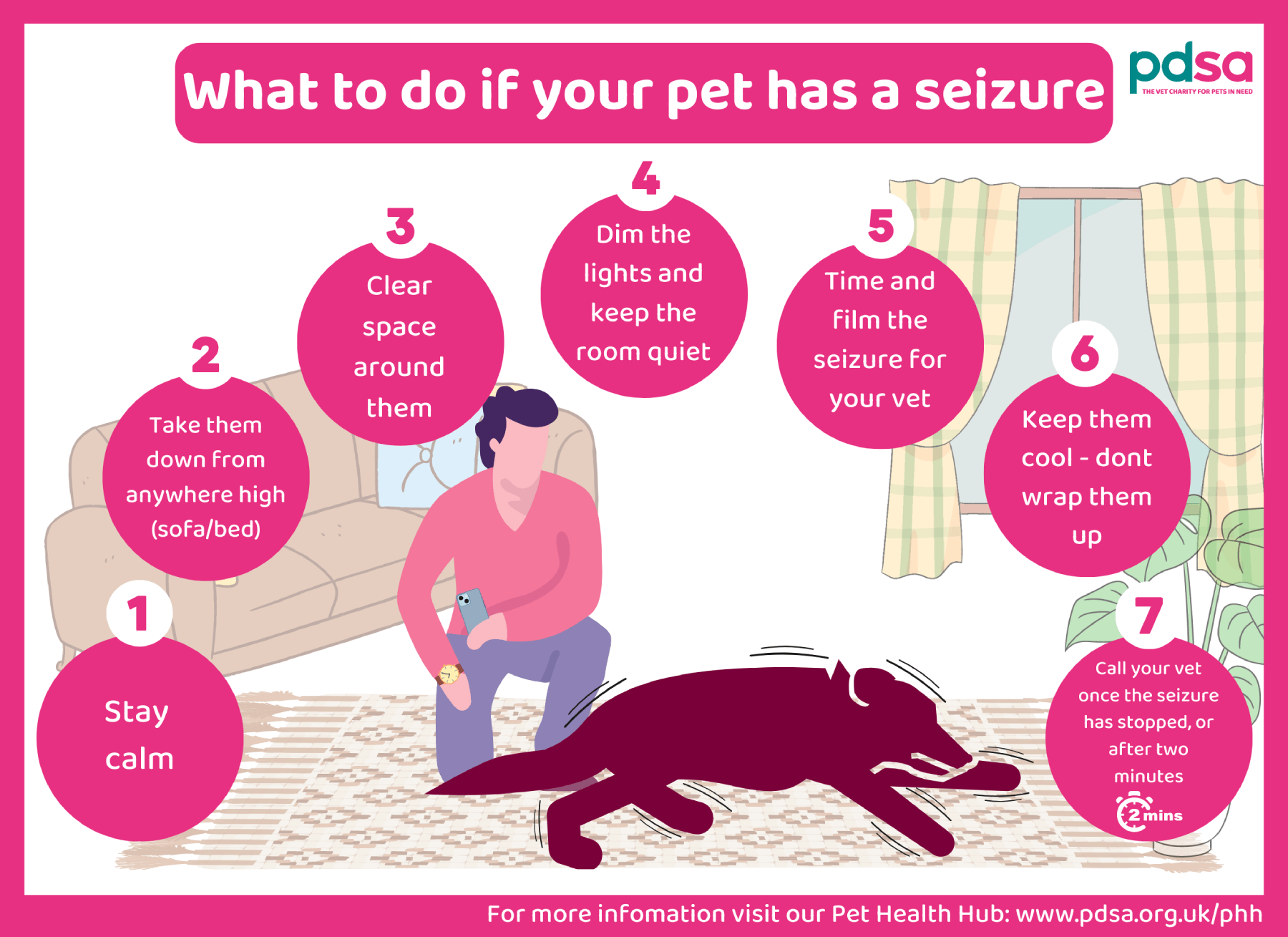
Image Source: www.pdsa.org.uk
Gauging Canine Seizure Symptoms
Before taking action, it is vital to know what a seizure looks like. Not all seizures look like the dramatic, full-body convulsions often shown in movies. Recognizing dog seizure signs early helps you react quickly and correctly.
Interpreting Different Types of Seizures
Seizures happen because of sudden, abnormal bursts of electrical activity in the brain. These bursts can look different depending on where they start in the brain. Knowing the types helps in managing dog seizures at home better after initial diagnosis.
Generalized (Grand Mal) Seizures
This is the most common and noticeable type. Your dog loses consciousness completely.
- Limb movements: Paddling motions with the legs.
- Stiffening: The body becomes rigid (tonic phase).
- Drooling or foaming: Excessive salivation around the mouth.
- Loss of control: Urinating or defecating.
- Vocalizing: Sometimes dogs may whimper or cry out.
Focal (Partial) Seizures
These seizures affect only a part of the body. They are often less dramatic but still require attention.
- Twitching of a leg, face, or ear.
- Staring blankly into space.
- Lip licking or chewing movements without food present.
- Sudden, frantic running without purpose (fly-biting).
Cluster Seizures and Status Epilepticus
These are serious situations. Dog seizure duration and signs become critical here.
- Cluster Seizures: When a dog has two or more seizures within 24 hours.
- Status Epilepticus: When a single seizure lasts longer than five minutes, or if the dog has multiple seizures without waking up between them. This is life-threatening and demands an emergency vet for dog seizure immediately.
First Aid Actions: What To Do During Dog Seizure
Your primary goal during an active seizure is safety—yours and your dog’s. Effective dog seizure first aid focuses on protection, not intervention.
Protecting Your Dog During the Event
Remember, your dog is not aware of what is happening. They cannot control their body movements.
- Stay Calm: Your panic can make the situation harder. Take a deep breath.
- Clear the Area: Move furniture, sharp objects, or stairs away from your dog. You want a soft, open space.
- Protect the Head: Gently place a soft towel or blanket under their head if possible, but do not force it.
- Keep Safe Distance: Never put your hands, face, or objects near the dog’s mouth. Even unconscious dogs can bite reflexively. You are helping a dog during a convulsion by keeping things away from them, not by holding them still.
- Do Not Restrain: Do not try to hold your dog down or stop the shaking. This can cause injury to the dog or you.
- Time the Seizure: Use a stopwatch or your phone to record exactly how long the shaking lasts. This information is vital for the vet.
After the Seizure Ends (The Post-Ictal Phase)
The period right after the seizure stops is called the post-ictal phase. This can last minutes to hours.
- Reorientation: Your dog might seem confused, blind, or very thirsty. They may walk into things or seem disoriented.
- Offer Quiet: Keep the environment calm and quiet. Dim the lights and reduce noise.
- Check Breathing: Ensure their breathing is normal.
- Do Not Offer Food or Water Immediately: Wait until your dog is fully alert and steady on their feet. They can choke easily if still feeling groggy.
When to Call the Vet Immediately
Knowing when a situation moves beyond simple observation to an urgent medical crisis is crucial for seizure activity in dogs treatment.
Criteria for Emergency Care
If any of the following occur, you must go straight to the nearest emergency clinic:
| Situation | Action Required |
|---|---|
| Seizure lasts over five minutes. | Emergency Vet Immediately |
| Multiple seizures in a row (clusters). | Emergency Vet Immediately |
| Dog does not regain consciousness between seizures. | Emergency Vet Immediately |
| First-time seizure lasting over three minutes. | Call the vet while timing it. |
| Dog sustains an injury during the seizure. | Vet visit required. |
If you are on your way to the vet, call ahead. This lets the staff prepare necessary medications or stabilizing equipment before you arrive.
Seeking Professional Help and Diagnosis
Once the immediate danger has passed, the next step is finding out why the seizure happened. Seizures are symptoms, not a final diagnosis.
Types of Seizures Based on Cause
Veterinarians categorize seizures based on what caused the brain activity.
Idiopathic Epilepsy
This is a diagnosis of exclusion. It means no underlying cause can be found through extensive testing. It is common in certain breeds like German Shepherds, Labrador Retrievers, and Beagles. This is usually managed through dog epilepsy home care plans.
Structural Epilepsy
This involves physical changes in the brain, such as:
- Brain tumors.
- Stroke.
- Infection (like distemper or fungal infections).
- Trauma or head injury.
Reactive Seizures
These are caused by metabolic problems outside the brain. The brain itself is normal, but something else is throwing it off balance.
- Severe low blood sugar (hypoglycemia).
- Severe liver disease (hepatic encephalopathy).
- Severe electrolyte imbalances.
Diagnostic Steps at the Clinic
Your vet will perform several tests to narrow down the cause.
- Thorough Physical Exam: Checking overall health, reflexes, and eyes.
- Blood Work: Comprehensive panels to check organ function (liver, kidneys) and blood sugar.
- Urinalysis: Checking for kidney issues or toxins.
- Advanced Imaging (If Needed): MRI or CT scans may be recommended, especially if a structural cause like a tumor is suspected.
- Cerebrospinal Fluid (CSF) Analysis: Checking the fluid surrounding the brain and spinal cord for infection or inflammation.
Long-Term Management: Dog Epilepsy Home Care
If your dog is diagnosed with epilepsy, treatment usually involves medication to reduce the frequency and severity of future seizures. Long-term success relies on consistency in managing dog seizures at home.
Medications and Compliance
Anti-seizure medications do not cure epilepsy, but they help control it. Common drugs include Phenobarbital, Levetiracetam (Keppra), and Zonisamide.
- Never Stop Abruptly: Stopping these medications suddenly can trigger a severe seizure.
- Consistent Dosing: Give medication at the exact same time every day, as prescribed. Consistency is key to keeping drug levels stable in the blood.
- Side Effects: Discuss potential side effects (like increased thirst, increased urination, drowsiness) with your vet.
Maintaining a Seizure Diary
A detailed diary is the cornerstone of dog epilepsy home care. It helps the vet see if medications are working or if adjustments are needed.
What to track in your diary:
- Date and time of the seizure.
- Duration of the seizure (in seconds or minutes).
- Severity (mild twitching vs. full convulsion).
- Pre-ictal signs (behavior right before the seizure).
- Post-ictal behavior (how long recovery took).
- Medication doses given and time administered.
This diary is essential for gauging the effectiveness of any seizure activity in dogs treatment plan.
Dietary Considerations and Supplements
While diet alone cannot stop epilepsy, certain approaches can support overall brain health and potentially assist medication effectiveness. Always discuss dietary changes with your veterinarian first.
The Role of Diet
Some anecdotal evidence suggests that certain diets might help stabilize brain activity, especially when combined with medication.
- Medium-Chain Triglycerides (MCTs): Some specialized veterinary diets are supplemented with MCTs. These provide an alternative energy source for the brain that bypasses glucose pathways, which some studies suggest can be beneficial in epilepsy management.
- Keto-like Diets: While strict ketogenic diets are complex for dogs, high-fat, very low-carbohydrate diets are sometimes explored under strict veterinary guidance.
Beneficial Supplements
Certain supplements might support nerve health, though they are adjunctive, not replacements for prescribed drugs.
- Omega-3 Fatty Acids (Fish Oil): These have anti-inflammatory properties that support overall brain cell membrane health.
- Cannabidiol (CBD): In some regions, veterinary guidance on CBD use for seizures is growing. Studies are ongoing, but anecdotal reports suggest benefit for some dogs when used alongside traditional anti-epileptic drugs. Crucially, ensure you use a product made for pets and discuss dosage with your vet.
Environmental Control and Seizure Prevention
Creating a safe environment minimizes the risk of injury during an unpredictable event and can sometimes reduce seizure triggers.
Identifying and Avoiding Triggers
While triggers are not always clear, some owners notice patterns associated with recognizing dog seizure signs.
- Stress: Sudden excitement, loud noises, or changes in routine can sometimes precede a seizure. Try to maintain a stable, calm household routine.
- Sleep Deprivation: Ensure your dog gets consistent, adequate rest.
- Toxins: Keep all household chemicals, rodenticides, and human medications locked away securely. Accidental ingestion is a common cause of reactive seizures.
- Flickering Lights: In rare cases, rapidly flickering lights (like strobe lights or even certain TV screens) can be a trigger for photosensitive epilepsy, though this is less common than in humans.
Creating a Safe Space
When you know your dog is prone to seizures, prepare a designated “safe zone.”
- Soft Bedding: Keep a thick, comfortable mat or bed in this area.
- Easy Access: Place this area away from walls or hard corners.
- Low Traffic: It should be a relatively quiet part of the house where noise and sudden movement are minimal.
This space is ready for immediate use should you notice early pre-ictal signs.
Prognosis and Ongoing Veterinary Partnership
The journey with an epileptic dog is a partnership between you and your veterinary team.
Factors Affecting Outlook
The prognosis varies widely based on the underlying cause.
- Idiopathic Epilepsy: Dogs whose seizures are well-controlled with medication often have a normal or near-normal quality of life and lifespan.
- Structural Epilepsy (Tumors/Infections): The prognosis depends entirely on the underlying disease. Treating the tumor or infection is the priority, alongside seizure control.
Regular Rechecks
Even when seizures are controlled, regular veterinary check-ups are mandatory for dogs on long-term anti-epileptic drugs.
- Blood Monitoring: Medications like Phenobarbital require periodic blood tests (usually every 3 to 6 months) to check drug levels in the blood and ensure the liver is handling the medication safely. This monitoring is a core part of safe seizure activity in dogs treatment.
If medication levels are too low, seizures can break through. If they are too high, toxicity can occur.
Detailed Guide to Helping a Dog During a Convulsion
When you see the shaking start, your response needs to be immediate but measured. This section details the steps for helping a dog during a convulsion.
Step-by-Step Safety Protocol
- Stop Moving: Freeze your actions. Do not rush towards the dog in panic.
- Speak Softly (or Not at All): Keep verbal commands minimal. Loud noises might confuse the dog further.
- Create Space: If people or other pets are too close, calmly usher them out of the room.
- Cushioning: If the dog is thrashing near a wall or hard floor, try sliding thick pillows or blankets under their head or body if you can do so without putting your hands near their mouth.
- Observe and Record: This is the most helpful thing you can do. Note the start time on your phone. Watch the nature of the movements.
Common Mistakes to Avoid
Many well-meaning owners make these errors, which can be dangerous:
- Giving water or food: The dog cannot swallow safely and may aspirate (breathe liquid into the lungs).
- Rubbing the tongue: Dogs rarely swallow their tongues during a seizure. Attempting to pull the tongue out can cause severe jaw injury or bites.
- Applying cold compresses: This rarely helps and wastes critical time that could be spent timing the event.
Navigating the Post-Ictal Confusion
Once the jerking stops, the dog is still vulnerable. This phase is where many owners accidentally get bitten because the dog is not truly “back” yet.
- Wait: Do not try to cuddle or force interaction for several minutes until you see your dog look at you clearly and stand without staggering.
- Leash Up (Carefully): If you need to move the dog to the car for the vet, wait until they are moderately steady. Use the leash gently, as sudden restraint might restart agitation.
Frequently Asked Questions (FAQ) About Canine Seizures
Can a dog go blind after a seizure?
Temporary blindness is common. Many dogs exhibit what looks like blindness during the post-ictal phase. They might stare blankly or bump into objects. This usually resolves within minutes to hours as brain function returns to normal. If the blindness persists for days, a thorough ophthalmic exam by the vet is necessary.
How long should a seizure last in a dog?
A normal, uncomplicated seizure usually lasts between 30 seconds and 2 minutes. If the seizure activity continues past five minutes, it is considered a medical emergency (status epilepticus) requiring immediate hospitalization to stop the seizure activity.
Is it safe to touch my dog during a seizure?
It is generally not safe to put your hands near your dog’s mouth, but gentle contact elsewhere may be okay if your dog is not thrashing violently. Since your dog is unconscious and operating on reflex, they cannot control their jaw movements. Many vets advise against physical restraint altogether to prevent accidental bites.
What can I give my dog at home to stop a seizure immediately?
If your dog has a history of epilepsy and is prescribed rescue medication (often a rectal gel like diazepam/Valium or a nasal spray), administer it exactly as directed by your veterinarian only if the seizure lasts longer than the established time limit (often 3 minutes). If they do not have rescue medication, there is nothing safe you can administer at home to stop the seizure instantly; focus on safety and timing.
Are seizures contagious to other pets in the home?
No, seizures are caused by abnormal electrical activity in the brain, not by infection that can spread between pets. Other pets may become stressed by the noise or activity, but they cannot “catch” a seizure.
What is the difference between fainting and a seizure?
Fainting (syncope) is usually caused by a sudden drop in blood pressure leading to brief unconsciousness, often related to heart issues. Fainting episodes are typically very short (seconds) and the dog collapses limp, often only lasting long enough for them to fall over. A seizure involves muscle contractions (jerking, paddling, stiffening) and lasts longer than simple fainting. Your vet can differentiate these based on your detailed description.