
When your dog has diarrhea, the first step is usually to rest their gut. You can start by withholding food for about 12 to 24 hours, but only if your dog is otherwise healthy and not a puppy. Always give your dog plenty of fresh water during this fasting period.
Diarrhea happens for many reasons. It can be a quick fix from eating something bad, or it can signal a bigger health issue. Knowing what to feed your dog when they have an upset stomach is key to helping them feel better fast. This guide will walk you through the steps, the right foods, and when you need to call the vet.
Image Source: serverless-s3-images.s3.amazonaws.com
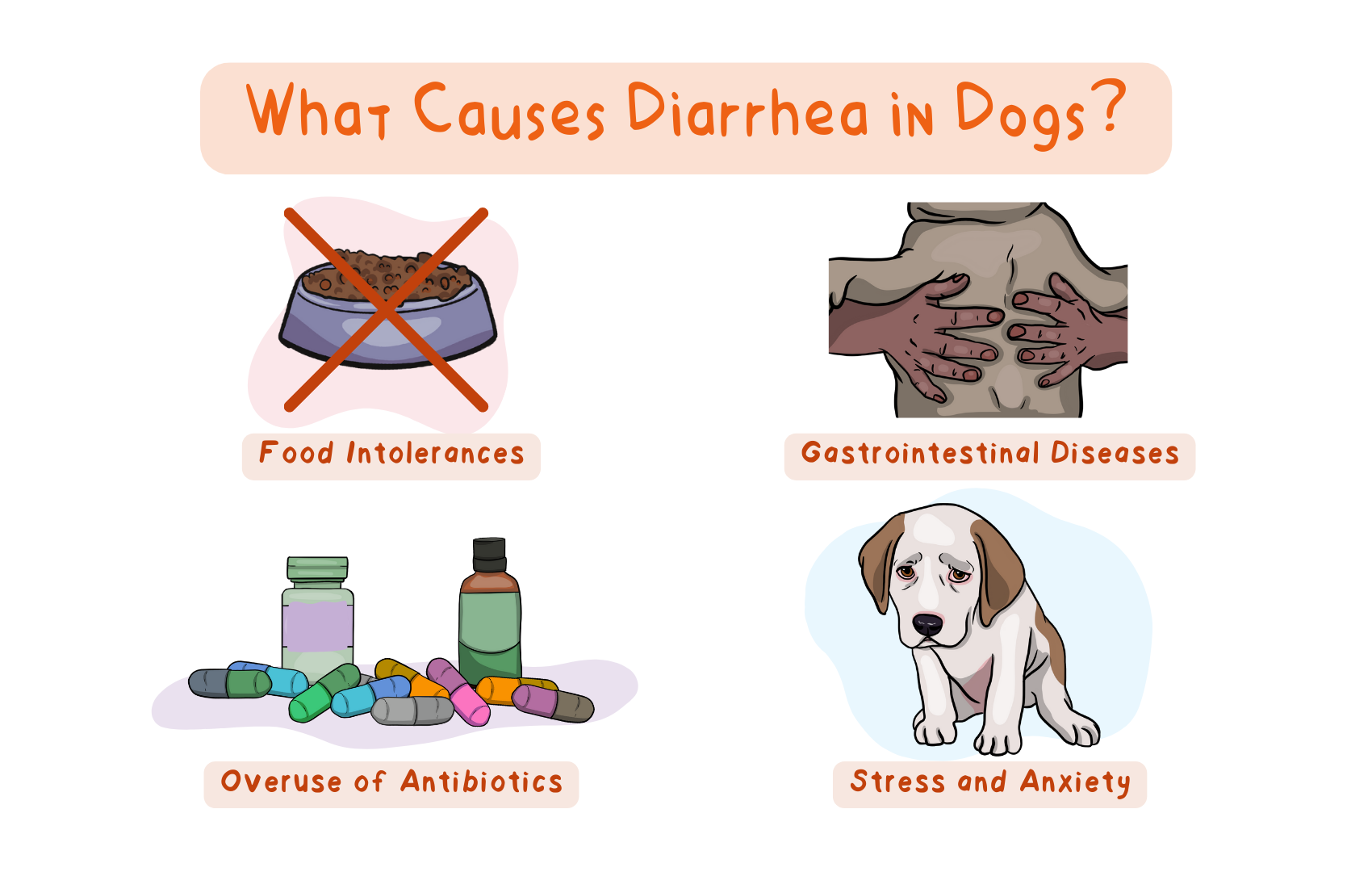
Why Does My Dog Have Diarrhea?
Grasping the cause helps treat the problem. Diarrhea means your dog’s digestive tract is moving too fast. Food isn’t absorbed well. This leads to loose, watery poop.
Common reasons for short-term diarrhea include:
- Dietary Indiscretion: Eating garbage, spoiled food, or table scraps. This is very common.
- Sudden Food Change: Switching brands or types of food too quickly upsets the gut.
- Stress or Anxiety: Moving, new pets, or loud noises can cause tummy trouble.
- Parasites: Worms or protozoa like Giardia need vet treatment.
- Bacterial or Viral Infections: Rotavirus or certain bacteria can cause illness.
The First Step: Resting the Gut
If your adult dog has mild diarrhea, the first step is often to let the intestines rest. This helps stop the cramping and irritation.
Should I Fast My Dog?
For a healthy adult dog (over six months old), withholding food for 12 to 24 hours can be very helpful.
Important Safety Check: Never withhold food from puppies, toy breeds, or senior dogs for long periods. They can develop low blood sugar (hypoglycemia) quickly. If your dog is very small or young, skip the fast and move straight to the bland diet for dogs with upset stomach.
Water is Essential: Make sure your dog drinks water. If they refuse water or start vomiting often, call your vet right away. Small amounts of water frequently are better than a large amount all at once.
Introducing the Bland Diet for Dogs
Once the fasting period is over (or if you skipped the fast), it is time to introduce gentle food. The bland diet for dogs with upset stomach is low in fat and easy to digest. It helps firm up the stool slowly.
What is in a Bland Diet?
The standard bland diet uses two main components: a lean protein source and a simple carbohydrate.
Lean Protein Sources
These are easy on the stomach and provide necessary nutrients without extra fat.
- Boiled, skinless, boneless chicken breast: This is the gold standard. Boil it plain—no salt, no oil, no spices. Shred or finely dice it.
- Boiled, lean ground beef (90% lean or higher): Drain off all the fat after cooking.
- Low-fat cottage cheese (in small amounts): Some dogs tolerate this well, but monitor for gas.
- Plain, canned pumpkin (100% pure, not pie filling): This is great for adding fiber.
Simple Carbohydrates
These provide energy and help absorb excess water in the colon.
- Plain white rice: Cooked until very soft. White rice is preferred over brown rice because it has less fiber, making it easier to digest during the acute phase.
- Plain boiled potatoes (no skin): Another good, easily digestible starch.
- Plain cooked pasta (white flour): Use sparingly.
Bland Diet Ratios and Preparation
The general ratio for a bland diet is two parts carbohydrate to one part protein.
For example, mix:
- 2 tablespoons of cooked white rice
- 1 tablespoon of shredded boiled chicken
Mix these well before feeding. Keep all additions minimal. Do not add butter, gravy, or seasoning.
How to Feed: The Bland Diet Feeding Schedule for Dog with Diarrhea
When your dog is sick, you should feed smaller amounts more often. This prevents overloading a sensitive digestive system. This modified feeding schedule for dog with diarrhea is crucial for recovery.
| Time Frame | Goal | Feeding Amount & Frequency |
|---|---|---|
| Day 1 (Post-fast) | Reintroduce food gently. | Small amounts (about 1/4 of a normal meal size). Feed 4 to 6 times throughout the day. |
| Day 2 | Assess stool consistency. | If stool is improving, slightly increase the amount fed at each meal (still 4-5 times total). |
| Day 3 | Gradual transition begins. | If stools are mostly normal, start mixing the bland diet 50/50 with their regular food. Feed 3 times total. |
| Day 4 & Beyond | Return to normal diet. | Slowly increase the proportion of regular food over the next 2-3 days. |
Key Point: Watch the stool after every feeding. If the diarrhea worsens, reduce the amount you feed next time and consider returning to the fasting period for a few hours.
Troubleshooting: Dog Not Eating Due to Diarrhea
It is common for dogs to have a low appetite when sick. If you find your dog not eating due to diarrhea, do not panic immediately, especially if they fasted.
If your dog refuses the bland food for more than 24 hours after the initial fast (or if they refuse food immediately), try these steps:
- Warm the Food: Gently warm the bland food slightly. The smell might encourage them to eat.
- Use High-Value Add-ins (Cautiously): Try mixing in a tiny teaspoon of plain, low-sodium chicken broth (ensure no onion or garlic powder).
- Wait and Try Again: Offer the food again in 30 minutes.
- Call the Vet: If refusal to eat lasts over 24 hours, call your veterinarian. They might suggest an appetite stimulant or IV fluids if dehydration is a risk.
Enhancing Recovery: Probiotics and Fiber
Once the gut is settling down, you can introduce gentle additions to speed up recovery.
Probiotics for Dog Diarrhea
Probiotics for dog diarrhea help restore the balance of good bacteria in the gut. A sick gut has fewer healthy bacteria.
- Veterinary-Specific Probiotics: These are often the best choice. Products like FortiFlora or Proviable are designed for dogs and come in powder or capsule form. Follow the dosage instructions precisely.
- Plain Yogurt (Use Caution): Only use plain, unsweetened yogurt containing live and active cultures. Use only a tiny amount (half a teaspoon) mixed into their bland food. If your dog is lactose intolerant, this can make things worse.
The Role of Fiber
Fiber helps bind the stool. Both soluble and insoluble fiber play a part in recovery.
- Canned Pumpkin (Soluble Fiber): As mentioned, pure canned pumpkin is excellent. It absorbs water in the colon, helping to solidify output. Start with just half a teaspoon mixed into the food twice a day.
- Psyllium Husk (Metamucil, unflavored): If prescribed by your vet, a small amount of psyllium husk can add bulk.
The Best Food for Dog Diarrhea vs. Recovery Food
The best food for dog diarrhea during the acute phase is the bland diet. It’s designed for minimal irritation.
However, dog diarrhea recovery food involves slowly reintroducing their normal diet. You must do this transition gently.
Transitioning Back to Regular Food:
Use a mixing ratio over 3 to 5 days:
| Day | Bland Diet Percentage | Regular Food Percentage |
|---|---|---|
| 1 | 75% | 25% |
| 2 | 50% | 50% |
| 3 | 25% | 75% |
| 4 | 100% Regular Food | 0% |
If the stool gets loose again during the transition, go back one step in the ratio for a day or two before trying to advance again. Patience is vital here.
Foods to Avoid When Dog Has Diarrhea
What you keep out of your dog’s bowl is just as important as what you put in. Avoiding irritating foods speeds up healing.
Foods to avoid when dog has diarrhea absolutely include:
- Fatty Foods: Gravies, fatty meats, rich scraps. Fat is very hard to digest and triggers the gut to release digestive enzymes that can worsen diarrhea.
- Dairy Products: Milk, cheese, most yogurts (unless plain and small amount used as a probiotic source). Lactose often causes gas and loose stools.
- Spicy or Heavily Seasoned Foods: This includes anything cooked for humans with garlic, onions, salt, pepper, or herbs. Garlic and onions are toxic, even in small amounts.
- High-Fiber Foods (Initially): While fiber helps recovery, too much fiber at the start can sometimes speed up the transit time, making diarrhea worse. Stick to white rice first.
- Raw Foods: Until the gut is fully healed, cooked, easily digestible food is necessary. Raw diets carry a higher risk of bacterial contamination (like Salmonella).
- Dog Treats: Put away all regular treats. Use small pieces of the bland diet as rewards instead.
How Long to Feed Dog Bland Diet?
This depends on the severity of the initial issue. For simple dietary indiscretion, the bland diet usually lasts 3 to 5 days total (including the transition back).
- If the diarrhea resolved quickly (within 48 hours of starting the bland diet), the transition back to normal food can be quick (3 days).
- If the diarrhea was severe or lasted longer than 2 days before treatment, you might need to stick strictly to the bland diet for 5 full days before starting the slow transition.
If your dog needs the bland diet for more than 7 days straight, you must consult your veterinarian. Long-term bland diets lack essential nutrients for adult dogs.
Dog Diarrhea Home Remedies (Supportive Care)
Besides diet changes, there are simple dog diarrhea home remedies that can offer comfort and support.
Hydration Support
Dehydration is a major risk with diarrhea.
- Ice Cubes: Offer ice cubes if your dog is drinking too much at once, which can trigger vomiting.
- Low-Sodium Broth: Offer small amounts of plain, unseasoned broth (ensure zero onion or garlic).
Activated Charcoal (Vet Approval Needed)
Activated charcoal is sometimes used by vets to absorb toxins if the diarrhea is suspected to be caused by something ingested. Never give this to your dog without specific instruction from your veterinarian. If given incorrectly, it can interfere with medications or cause aspiration.
Slippery Elm Bark
Slippery elm is an herb that forms a soothing gel when mixed with water. It coats the irritated lining of the stomach and intestines. This is often mixed into the bland food or given as a slurry. Check with your vet for proper dosing.
When to Worry About Dog Diarrhea
Most bouts of diarrhea clear up quickly with home care. However, some signs mean you need professional help immediately. Knowing when to worry about dog diarrhea can save your pet’s life.
Call the Vet Immediately If You See:
- Blood in Stool: Bright red blood (fresh bleeding) or dark, tarry stool (digested blood).
- Vomiting: Frequent, persistent vomiting along with diarrhea is a major red flag.
- Lethargy or Weakness: If your dog is listless, won’t move, or seems very weak.
- Fever: A rectal temperature over 103.5°F (39.7°C).
- Known Toxin Ingestion: If you suspect they ate poison, medication, or a toxic plant.
- Puppies or Seniors: Diarrhea in very young or very old dogs is always serious due to rapid dehydration risk.
- Duration: If diarrhea lasts more than 48 hours, even if mild.
Recognizing Dehydration
Check your dog’s gums. They should be pink and moist. If they are sticky, dry, or pale, dehydration is setting in. You can also gently pinch the skin over their shoulder blades. If it snaps back immediately, they are fine. If it tents up slowly, seek vet care.
Long-Term Digestive Health
Once your dog has recovered, focus on prevention. Digestive upsets are often linked to chronic diet issues or undiagnosed sensitivities.
Maintaining Gut Health
- Slow Food Changes: When switching food brands or formulas, take at least a week to transition fully.
- Quality Diet: Feed a high-quality, complete, and balanced dog food appropriate for your dog’s age and activity level.
- Consistent Feeding Times: Dogs thrive on routine.
- Prebiotics and Probiotics: For dogs prone to mild tummy aches, discuss adding a daily, low-dose probiotic supplement with your veterinarian for ongoing support.
Summary of Feeding Steps
The process of feeding a dog with diarrhea moves through distinct stages:
- Rest: Fast adult dogs for 12-24 hours (water always available). Skip fast for puppies/seniors.
- Reintroduce: Start small, frequent meals of the bland diet (2 parts carb to 1 part lean protein).
- Monitor: Watch stool color and consistency after each small meal.
- Support: Add gentle fiber (pumpkin) or probiotics as tolerated.
- Transition: Slowly mix the bland diet with regular food over several days.
By following these structured steps, you give your dog’s digestive system the best chance to settle down and return to normal healthy function.
Frequently Asked Questions (FAQ)
Can I give my dog Pepto-Bismol for diarrhea?
You should never give your dog any human medication without explicit instruction from your veterinarian. Pepto-Bismol contains salicylates, which can be toxic to dogs, especially cats, and can turn the stool black, mimicking digested blood and hiding serious symptoms.
Is brown rice okay to feed a dog with diarrhea?
While brown rice is healthier long-term, it has too much fiber for the acute stage of diarrhea. Stick to white rice until the stool firms up. Once recovery begins, you can slowly reintroduce brown rice as part of the transition back to their regular food.
My dog has chronic diarrhea, is the bland diet the solution?
If diarrhea lasts more than a week or keeps returning, the bland diet is just a temporary measure. Chronic diarrhea suggests an underlying issue—like food allergies, inflammatory bowel disease (IBD), or chronic infection—that requires specific diagnostic testing and long-term medical treatment from a vet.
Can I use sweet potatoes instead of white rice?
Sweet potatoes are often used in bland diets as an alternative carb source. They are slightly higher in sugar and fiber than white rice but are generally well-tolerated once the acute phase passes. If your dog has very watery diarrhea, start with white rice first.
What do I do if my dog seems better but still has slightly soft poop?
This means the gut is still sensitive. Do not rush the process. Stay on the bland diet (or the current mixed ratio) for another day or two until the stool is completely normal and firm. Rushing the diet change is the number one cause of relapse.