
The typical recovery time after a dog neuter is about two weeks for the external wound to heal completely, though full internal healing and returning to normal activity levels can take slightly longer, usually between three to four weeks. This period involves careful management of the incision site, activity levels, and pain, making the post-neuter recovery time a crucial focus for pet owners.
Neutering a male dog is a common procedure. It keeps the dog healthy and prevents unwanted puppies. Still, your dog needs good care afterward. This care helps speed up the canine castration recovery. Let’s look closely at what happens after the surgery. We will cover the timeline, what to watch for, and how to help your pet heal well.
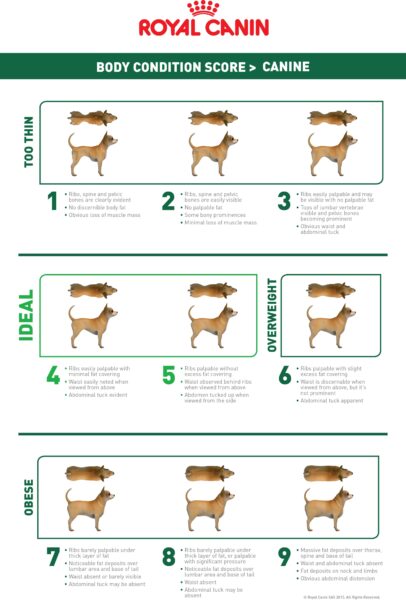
Image Source: ontariospca.ca
Initial Post-Surgery Period (First 24 Hours)
The first day after surgery is often the toughest. Your dog will still feel the effects of the anesthesia.
Coming Home
When you pick up your dog, they might be groggy or slow. They may wobble when they walk. This is normal. The vet will give you clear instructions. Make sure you follow these steps right away.
- Rest Area: Set up a quiet, warm spot at home. Use a small room or a crate. This limits their movement right away.
- Food and Water: Offer only a small amount of water first. If they keep it down, offer a small meal later that evening. Some dogs feel sick after surgery and might not want to eat much.
Pain Management Starts Now
Your vet will send pain medication home with you. It is vital to give these medicines exactly as directed.
- Dog Neuter Pain Management: Pain control is key to a smooth recovery. If your dog seems uncomfortable, lethargic, or won’t eat after the first 24 hours, call your vet. Never give human pain medicine to your dog. It can be deadly.
The First Week: Monitoring the Incision Site
The first seven days are critical for healing the wound.
Daily Checks for Dog Neuter Incision Healing
You must check the incision site daily. Look for the following things:
- Mild Swelling: Some slight swelling is normal right around the cut.
- Minor Redness: A little pinkness is okay.
- Slight Discharge: A tiny bit of clear or slightly pink fluid might appear.
If you see too much of these signs, it could point to problems.
Limiting Activity is Essential
Activity restriction is the hardest part for energetic dogs. Too much movement can tear stitches or cause internal bleeding.
- Leash Walks Only: Keep walks short and only for bathroom breaks. They must stay on a short leash. No running, jumping, or playing fetch.
- No Stairs: Try to keep your dog from using stairs for the first week. If you have stairs, carry them up and down if they are small enough.
The E-Collar Rule
The cone, or E-collar (Elizabethan collar), must stay on unless you are watching your dog closely.
- Stop Licking: Dogs lick wounds to “clean” them. This licking introduces bacteria and can pull out stitches. Licking delays dog neuter incision healing. Keep the cone on almost all the time during this first week.
Week Two: Steady Improvement and Cautious Freedom
By the second week, things should look much better.
Incision Appearance
If there are external stitches, the vet may remove them now. If they used dissolvable stitches, they should be fading.
- Dog Neuter Incision Healing Check: The cut should look clean. It should be mostly closed, with minimal redness. You should see the skin edges knitting together firmly.
When Can My Neutered Dog Exercise?
This is a common question. You cannot let your dog run free yet.
- Controlled Activity: You can start increasing walk time slightly. Keep them short, about 10 to 15 minutes, twice a day. Still, no running, rough play, or interaction with other dogs. Full activity might be weeks away.
Monitoring Appetite and Behavior
Your dog should be back to their normal self in terms of energy by the end of week two.
- Appetite: They should be eating normally.
- Lethargy: If they are still very tired or seem sad after 10 days, it needs a vet check.
Weeks Three and Four: Approaching Full Recovery
This phase marks the transition to full recovery dog neuter.
Internal Healing Takes Time
While the outside looks healed, the internal tissues are still repairing. This is why vets stress limited activity for up to four weeks.
- Internal Scars: The internal sutures need time to dissolve or fully seal. Pushing too hard too soon can cause hernias or other issues.
Reintroducing Normal Play
Your veterinarian will give the final “all clear.” This is usually around the 14-day mark for the incision, but often closer to 21-30 days for full activity return.
- Gradual Reintroduction: When cleared, slowly bring back play. Start with gentle fetch, not intense sprints. Watch your dog closely for any signs of pain or overexertion.
The Neutering a Male Dog Recovery Timeline Summary
| Time Frame | Key Focus | Activity Level | Incision Status |
|---|---|---|---|
| Days 1-3 | Pain control, rest | Strict rest, short potty breaks only | May look swollen/red |
| Days 4-7 | Preventing licking, monitoring | Strict rest, leash only | Healing should start visibly |
| Days 8-14 | Incision check, gentle activity | Short, slow leash walks begin | Should be closed, minimal swelling |
| Weeks 3-4 | Full internal repair | Slowly increase activity as vet approves | Fully closed, fading |
Comprehensive Aftercare for Neutered Dog Protocol
Good aftercare for neutered dog is what separates a fast recovery from a slow one. It involves five main areas.
Pain and Medication Adherence
Continue all prescribed medications until the vet says to stop. If your dog stops eating or seems too sleepy from the pain meds, talk to your vet immediately.
Hygiene and Keeping the Area Dry
Keep the incision site clean and dry.
- Bathing Ban: Do not bathe your dog during the recovery period. Water and shampoo can irritate the wound and increase infection risk. Wait until your vet gives the go-ahead, usually after the two-week mark.
- Protecting From Dirt: Be careful when taking your dog out, especially if it has been raining. Avoid muddy areas.
Nutrition and Weight Management
Recovery uses energy. Ensure your dog gets quality food.
- Calorie Control: Many dogs gain weight after neutering because their metabolic rate can slightly decrease. Do not overfeed during recovery. Stick to their regular food schedule unless your vet suggests a change.
Managing Stitches and Staples
Know what type of stitches your vet used.
- External Stitches: If you see a stitch hanging loose or if the incision opens up, contact your vet right away.
- Internal Stitches: These dissolve. If you see lumps under the skin where internal stitches are, this is usually normal scar tissue forming, but a vet check is wise if the lump is large or painful.
Controlling Excitement
Excitement leads to bouncing, jumping, and running. All of these actions stress the surgical site.
- Calm Companionship: Keep interactions calm. If you have other pets, separate them during the initial week to prevent accidental rough play.
Recognizing Signs of Slow Dog Neuter Recovery
While most dogs bounce back quickly, sometimes things go wrong. Knowing the warning signs helps you act fast.
When should you call the vet immediately?
- Excessive Bleeding: More than just a few drops or persistent trickling from the incision.
- Gaping Incision: The cut opens up, and you can see tissue inside.
- Foul Odor or Pus: Any thick, colored discharge (yellow, green) that smells bad means infection.
- Severe Pain: Crying out when touched near the site, constant hiding, or refusal to move at all after day three.
- Fever: A rectal temperature over 103.5°F (39.7°C). (You may need to check this with your vet’s guidance).
A slow recovery might look less dramatic but still needs attention. This includes:
- Loss of appetite lasting more than 48 hours post-surgery.
- Lethargy that doesn’t improve after day four.
- Swelling that gets worse instead of better after day five.
Deciphering Potential Dog Neuter Complications
While rare, complications can occur with any surgery. Being aware helps prevent them or catch them early.
Infection
Infection is the most common complication. It often happens because the dog licked the site or the site got wet and dirty.
- Prevention: E-collar use and keeping the area dry stop most infections.
Bleeding (Hemorrhage)
This is a serious risk, often happening shortly after surgery or if the dog is too active later in the recovery period.
- Scrotal Swelling: Some swelling in the scrotum area (the empty sack) is common. This is often seroma (fluid buildup), not active bleeding. However, if the scrotum becomes hard, rock-like, or rapidly enlarges, this needs urgent veterinary attention.
Hernia Formation
If internal sutures fail, intestines can push through the weakened muscle wall. This usually presents as abnormal swelling in the groin area that doesn’t go down with rest.
Fathoming the Return to Normal Life
The goal is a full recovery dog neuter. This means getting back to routines without pain or limitation.
When Can My Neutered Dog Exercise? (Revisiting Activity)
This is the point where many owners push too hard.
- Jogging and Running: Wait at least four weeks, ideally longer, before resuming jogging or running with your dog. The deep abdominal muscles need significant time to stabilize.
- Jumping: Keep jumping off furniture or into cars restricted for at least three weeks. Jumping stresses the incision site internally.
- Dog Parks: Avoid dog parks until your vet specifically gives you the okay, usually around the four-week mark. You need to ensure your dog is fully healed before introducing rough play with other dogs.
Long-Term Benefits Beyond Recovery
Once the post-neuter recovery time is over, you can enjoy the health benefits. Neutering reduces the risk of certain cancers and prostate issues later in life. It also often calms some unwanted behaviors linked to hormones.
Frequently Asked Questions (FAQ)
How long until my dog acts normal after being neutered?
Most dogs start acting more like themselves within 48 to 72 hours, although they will still be very restricted in movement. They should regain full energy and appetite around day seven to ten, provided they are not overexerting themselves.
Is it normal for my dog’s scrotum to look bigger after a neuter?
Yes, some swelling in the scrotum is very common for the first week. This is usually fluid collection (seroma). It should slowly go down. If the swelling is severe, hard, or painful, call your vet.
Can I give my dog a bath during the two-week recovery?
No. Keep the incision dry for at least 10 to 14 days, or until your vet explicitly says it is safe. Water and soap increase the risk of infection and can weaken the healing tissues.
What is the difference between normal swelling and a complication?
Normal swelling is mild, localized right around the cut, and slowly decreases each day. Complication swelling (like a hernia or severe infection) is hard, rapidly increasing, hot to the touch, or accompanied by discharge or pain.
How long should the E-collar stay on after a dog neuter?
The E-collar should stay on whenever you are not directly supervising your dog for the entire two-week healing period, and often until all external stitches are removed. If your dog is not tempted to lick, you might be able to remove it for short periods while you watch them closely.