
What should I use for a dog wound? You should first stop any heavy bleeding by applying gentle, direct pressure with a clean cloth. Then, carefully clean the wound with plain, lukewarm water or a sterile saline solution. Never use harsh chemicals like hydrogen peroxide or rubbing alcohol on open wounds, as these can hurt the healing tissue.
Dealing with a wound on your dog can be scary. Knowing the right steps and supplies makes all the difference. This guide will walk you through safe options for dog wound care, from minor scratches to more serious cuts. We focus on safe, effective treatments to help your furry friend heal fast.
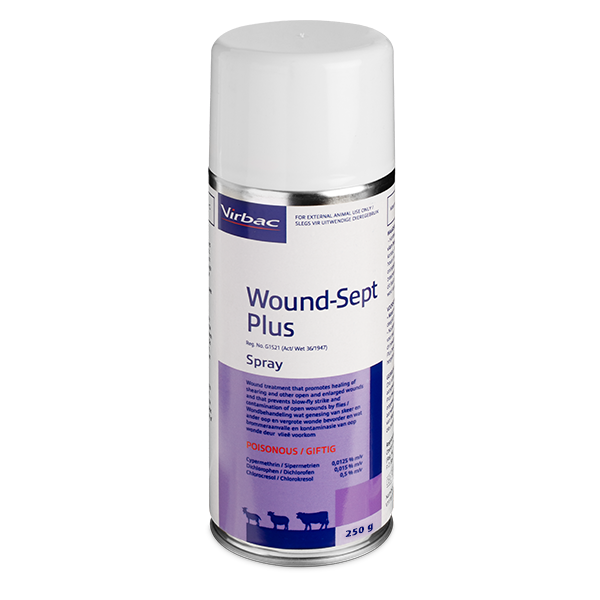
Image Source: za.virbac.com
First Steps: Immediate Care for Dog Wounds
When you spot an injury, act fast but stay calm. Your dog looks to you for cues. Keeping calm helps keep your dog calm too.
Stopping Bleeding Safely
If the wound is bleeding a lot, you must stop the blood flow first.
- Apply Pressure: Use a clean towel, gauze pad, or even a clean piece of clothing. Press firmly and directly onto the wound.
- Maintain Pressure: Keep the pressure steady for five to ten minutes without peeking underneath. Peeking can break the forming clot.
- When to Seek Help: If the bleeding does not stop after 15 minutes of constant pressure, or if the bleeding is spurting, seek emergency veterinary care right away.
Assessing the Injury Severity
Not all wounds need the same care. Some need a quick home fix. Others need a vet fast.
- Minor Scrapes and Scratches: These are superficial. They might ooze a little but usually stop bleeding quickly. These are often treatable at home.
- Deep Lacerations: These wounds are deep. They might show muscle or fat underneath. These need stitches or staples from a vet.
- Puncture Wounds: These look small on the surface but go deep. They trap dirt easily. Vets must clean these well to prevent deep infection.
- Burns or Large Areas of Missing Skin: These need immediate professional care.
Cleaning Dog Wounds: The Key to Preventing Infection
Proper cleaning removes dirt, debris, and bacteria. This step is vital for dog wound care.
What to Use for Cleaning
Simple is often best when it comes to cleaning a dog’s wound.
Water and Saline Solution
Plain water works well for initial rinsing. It washes away surface debris without damaging cells.
- Lukewarm Water: Use clean, running water to flush out loose dirt. Avoid very cold or very hot water.
- Sterile Saline Solution: This is the gold standard for flushing wounds. It matches the body’s salt balance. You can buy it ready-made or gently mix one teaspoon of salt into one quart of boiled (and cooled) water.
Antiseptic Choices
Choosing the best antiseptic for dog cuts means selecting something effective but gentle. Many common household antiseptics are too harsh for canine skin and slow down healing.
- Povidone-Iodine (Betadine): This is a good option when diluted correctly.
- Dilution Rule: Mix it with water until it looks like weak tea (a light tan color). If it stings your eye, it is too strong for your dog’s wound.
- Chlorhexidine Solution (e.g., Hibiclens): This is another safe, broad-spectrum antiseptic often recommended by vets. It works well against bacteria and stays active longer than iodine. Use a veterinary-approved dilution if purchasing a concentrate.
What to Avoid Strictly
Never put these substances directly into an open dog wound:
- Hydrogen Peroxide: It destroys healthy cells needed for healing.
- Rubbing Alcohol (Isopropyl Alcohol): It is very painful and damages tissue.
- Neosporin (Triple Antibiotic Ointment): While often safe for humans, dogs lick everything. Ingredients like Neomycin can cause skin reactions or internal issues if swallowed regularly.
How to Clean Dog’s Infected Wound
If you suspect infection, extra care is needed. How to clean dog’s infected wound involves gentle removal of pus and debris while maximizing antiseptic contact.
- Gather Supplies: Wear gloves. Have your sterile saline or diluted antiseptic ready. Use fresh, sterile gauze pads.
- Gentle Rinsing: Flood the wound area with saline solution first. This pushes out loose debris.
- Soaking (If Possible): For shallow wounds, you can soak a clean cloth in the diluted antiseptic and lay it over the wound for a few minutes.
- Dab, Don’t Scrub: Gently blot away any visible pus or discharge. Do not rub the raw tissues. Scrubbing causes more pain and damage.
- Assess Depth: If the wound is deep, smelly, or oozing thick, colored pus, stop cleaning and call your vet immediately. These are signs of infection in dog wounds requiring professional debridement (removal of dead tissue).
Topical Treatments: Ointments, Gels, and Sprays
Once the wound is clean, you need a protective layer. This layer keeps the wound moist, which promotes faster healing, and keeps out dirt.
Veterinary Wound Spray for Dogs
Veterinary wound spray for dogs offers an easy, sterile way to apply treatment without touching the wound directly.
- Purpose: These sprays often contain mild antiseptics or barrier ingredients. They are designed to reduce bacterial load and support the moist healing environment.
- Look For: Sprays containing ingredients like honey or specific zinc compounds can be very helpful when directed by a vet.
Safe Homemade Dog Wound Ointments (Use with Caution)
While professional products are best, some homemade dog wound ointments can be used for very minor, superficial scratches when vet supplies are unavailable. Always clear major application plans with your veterinarian first.
- Plain Petroleum Jelly (Vaseline): Good for creating a simple moisture barrier on minor scrapes once they have stopped actively oozing. It helps keep scabs soft. It should only be used on clean, superficial abrasions.
- Manuka Honey: Medical-grade Manuka honey has strong antibacterial properties and promotes healing. It is sticky and needs to be covered well. Only use medical-grade honey, not the kind from the grocery store, as the latter may contain spores harmful to deep wounds.
Healing Dog Scratches Naturally: Herbs and Oils
For healing dog scratches naturally, certain plant-based treatments can offer soothing relief and mild antibacterial action. Again, these are best for superficial injuries.
| Natural Agent | Benefit | Application Note |
|---|---|---|
| Calendula Tincture (Diluted) | Soothing, anti-inflammatory | Use heavily diluted in water for a final rinse or mild compress. |
| Aloe Vera Gel (Pure) | Cooling, skin regeneration | Ensure it is pure, as additives can irritate. Apply thinly to superficial abrasions. |
| Plantain Leaf (Poultice) | Drawing out impurities, healing | Crush fresh leaves and apply directly to a very clean, minor scrape, then cover. |
Warning: Dogs often lick herbal applications. Ensure any plant material used is not toxic if ingested, even in small amounts.
Managing Deeper Wounds and Open Sores
Treating open sores on dogs requires special attention because these areas often fail to close on their own due to constant licking, irritation, or underlying health issues (like allergies or hotspots).
When Licking Becomes the Problem
Dogs lick wounds because it feels good or because they are trying to clean them. Licking introduces bacteria and rips apart new tissue.
- E-Collars (The “Cone of Shame”): This is the most effective tool. It physically prevents the mouth from reaching the wound.
- Protective Bandages: If the area allows, a vet-applied bandage stops licking and protects the wound from the environment.
Dealing with Infected Wounds
If you see the following signs of infection in dog wounds, professional help is urgent:
- Pus (yellow, green, or cloudy discharge)
- Foul odor coming from the wound
- Swelling around the edges that is hot to the touch
- Redness spreading far beyond the injury site
- Fever or lethargy in your dog
A vet will likely debride the area, flush it thoroughly, and prescribe oral antibiotics along with specific topical medication.
Dog Wound Dressing Options
Covering a wound helps protect it and controls discharge. The right covering depends on the wound stage.
Principles of Moist Wound Healing
Modern wound care favors keeping the wound surface slightly moist. This helps cells move across the wound bed faster than letting it dry out and form a hard scab.
Types of Dressings
The choice of dog wound dressing options moves through stages:
1. Primary Layer (Contact Layer)
This layer touches the wound directly.
- Non-Adherent Pads: These are essential for wounds that are producing some drainage. They let fluids pass through but don’t stick to the healing tissue when removed. Examples include petrolatum-impregnated gauze or silicone mesh pads.
- Hydrogels: These add moisture to dry wounds, helping to soften scabs and promote tissue growth.
2. Secondary Layer (Absorbent Layer)
This layer sits over the primary layer to soak up any discharge.
- Gauze Rolls: Sterile gauze is effective for absorbing fluid and providing padding.
3. Tertiary Layer (Outer Wrap)
This layer holds everything in place.
- Cohesive Bandages (Vet Wrap): This stretchy, self-adhering wrap is excellent for holding gauze in place without sticking to the fur. It applies light, even pressure.
- Gauze Roll: Used under Vet Wrap to provide bulk and softness.
Crucial Tip: Never wrap a wound too tightly. A bandage that cuts off circulation can quickly turn a treatable injury into a serious emergency. Check the toes or limb beyond the wrap frequently for coldness or swelling.
Special Cases: Punctures and Bites
Dog bites and puncture wounds are notorious for hiding infection deep inside the tissue layers.
Why Bites and Punctures Are Dangerous
When a tooth pierces the skin, it drags surface bacteria deep into the tissues. The resulting hole often closes quickly on the surface, trapping the bacteria inside, leading to abscesses.
- Veterinary Action: Bites and deep punctures almost always need professional evaluation. A vet may need to open the wound slightly or flush it extensively under sedation to ensure all contamination is removed before closing or leaving it open to heal from the inside out.
Treating Small Puncture Wounds at Home (Minor Cases Only)
If the puncture is very small and superficial, you can try flushing it vigorously with sterile saline several times a day for the first 48 hours. Monitor closely for heat or swelling. If you see any of the previously mentioned signs of infection in dog wounds, go to the vet.
Long-Term Healing and Follow-Up Care
Healing takes time. Be patient and keep checking the wound daily.
Monitoring Healing Progress
A healthy wound goes through distinct phases:
- Inflammation (Days 1-3): Redness, swelling, some pain. This is normal.
- Proliferation (Days 4-14): New pink tissue (granulation tissue) forms. The wound starts to shrink. Discharge should lessen and become clear or pale pink.
- Maturation (Weeks to Months): The new tissue remodels into stronger scar tissue.
If the wound seems stuck in the inflammation phase (it stays red, swollen, and painful for too long), consult your veterinarian.
Nutrition and Support
What your dog eats supports the healing process from the inside.
- Protein: Essential for building new tissue. Ensure high-quality protein in the diet.
- Vitamins C and Zinc: These micronutrients play key roles in collagen formation and immune response. Discuss supplements with your vet if the wound is extensive.
Summary of Safe Wound Treatment Supplies
To maintain a well-stocked first-aid kit for your dog, keep these items handy:
| Category | Recommended Items | Purpose |
|---|---|---|
| Cleaning | Sterile Saline Solution, Povidone-Iodine (to be diluted) | Flushing debris, mild antisepsis. |
| Protection | Non-stick pads, sterile gauze rolls, Vet Wrap | Creating a protective, absorbent dressing. |
| Restraint | E-Collar (Cone) | Preventing licking and further trauma. |
| Application | Disposable gloves, sharp blunt-tip scissors (for fur removal) | Safe, hygienic handling. |
| Topical | Veterinary-approved wound spray, plain petroleum jelly | Moisture barrier and light treatment. |
Frequently Asked Questions (FAQ)
Can I use hydrogen peroxide on my dog’s cut?
No. Hydrogen peroxide bubbles violently when it touches organic material, which feels painful to your dog. More importantly, this bubbling action damages healthy cells needed for the skin to knit back together, slowing down healing significantly. Stick to saline or very diluted iodine.
How long does it take for a minor dog scratch to heal?
A minor, clean scratch on a healthy dog usually takes about 3 to 7 days to close over, though the underlying strength may take several weeks to return. Keeping the area clean and preventing licking speeds this up greatly.
What if my dog has an allergy to the topical medication?
Look for signs like excessive scratching at the bandage site, increased redness, or hives appearing away from the wound. If you suspect a reaction, gently remove the bandage and rinse the area with plain cool water. Call your vet for an alternative veterinary wound spray for dogs or ointment recommendation.
Is it okay to remove scabs from my dog’s wound?
Generally, no. Scabs are your dog’s natural bandage. They protect the vulnerable, new tissue underneath from infection and trauma. Only a veterinarian should remove a scab, often through a process called debridement, if it is hindering the healing of an underlying infection. If you are trying to achieve healing dog scratches naturally, allow the scab to fall off on its own.
What should I do if I find an old, untreated wound that looks infected?
Do not try to clean a deep, long-standing infected wound aggressively at home. Immediately contact your veterinarian. Attempting to clean how to clean dog’s infected wound too forcefully might break open a developing abscess, causing severe pain and a worse mess. The vet will likely need to drain the abscess safely.