
Yes, you can definitely weigh your dog at home! Many people ask this question because keeping track of dog weight measurement is vital for health. You do not always need a trip to the vet just to get a number. This guide shows you simple and accurate dog weighing methods you can use today. We will cover how to handle dogs of all sizes, from tiny puppies to giant breeds.
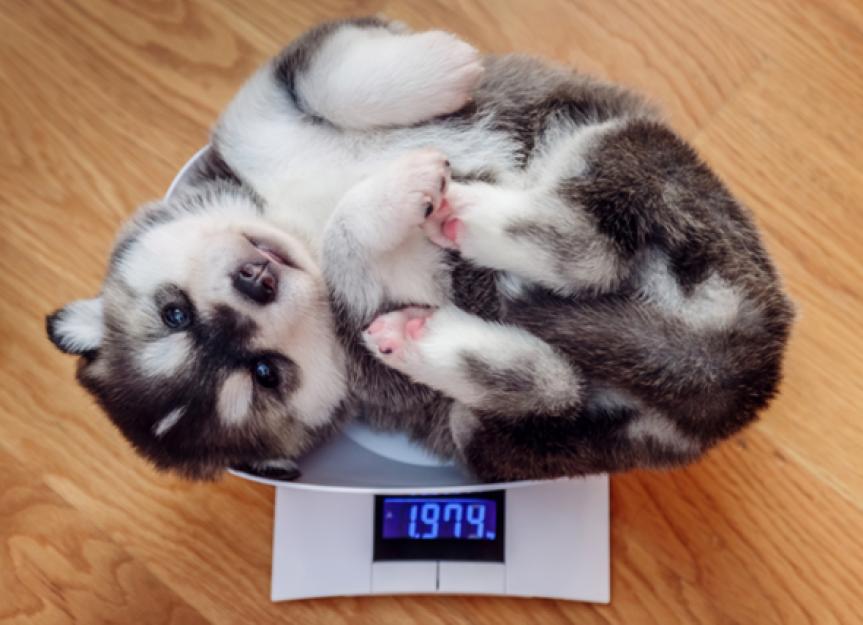
Image Source: image.petmd.com
Why Weighing Your Dog Matters
Knowing your dog’s weight is one of the most important things a pet owner can do. It is a key part of pet weight management. Changes in weight often signal health issues early on.
Health Indicators in Weight Fluctuation
A sudden drop in weight might mean your dog is not eating well, has parasites, or has a hidden sickness. A slow, steady gain might mean you need to change how much food you give.
- Weight Loss: Check for dental pain, kidney issues, or stress.
- Weight Gain: Watch for too many treats or less exercise. This can lead to joint problems later.
Proper Dosing for Medicine
Vets base many critical medication doses on your dog’s exact weight. If you are treating your dog at home for fleas, ticks, or worms, an incorrect weight means the medicine might not work well or could even be dangerous. Knowing the precise dog weight measurement helps keep medicine safe and effective.
Methods for Accurate Dog Weighing Methods
There are several ways to get your dog on the scale. The best method depends on the size of your dog and the tools you have.
Using a Home Scale for Small to Medium Dogs
If your dog is small enough to hold easily, using a standard bathroom scale is the simplest route. This is often called using human scale for dog.
Step-by-Step Guide for Small Dogs
- Step on the Scale Alone: First, you step onto your regular home dog scale use (your bathroom scale). Note this number down exactly. Let’s call this “Your Weight.”
- Pick Up Your Dog: Pick up your dog securely. Make sure they are calm.
- Step on Together: Step back onto the scale while holding your dog. Try to stand still. Note this new, combined number. Let’s call this “Combined Weight.”
- Do the Math: Subtract your weight from the combined weight.
- Combined Weight – Your Weight = Dog’s Weight
Example:
* Your Weight: 150 lbs
* Combined Weight: 165 lbs
* Dog’s Weight: $165 – 150 = 15$ lbs
It helps to do this two or three times. Take the average result for the best dog weight measurement.
Dealing with Anxious or Wiggly Dogs
Some dogs hate being held or might jump off the scale quickly. Stay calm. If your dog resists being held, try to make the process fun. Give them a high-value treat while you are holding them or right after you step off. Practice just stepping onto the scale without the dog first to get them used to the noise.
Specialized Scales for Larger Dogs
What about weighing large dogs? You cannot lift a 100-pound Labrador onto your lap and onto a small bathroom scale. For larger pets, you need different tools.
Investing in a Best Dog Weighing Scale
The most accurate way to measure large dogs is with a dedicated platform scale designed for pets. These are often the same type of scale used at the vet’s office, called a veterinary scale weight.
- Platform Size: Look for a scale with a large, non-slip platform. This gives your dog plenty of room to stand comfortably.
- Capacity: Ensure the scale can safely handle your dog’s maximum potential weight, plus a little extra for safety.
- Digital Readout: Digital scales are much easier to read than analog (dial) scales.
How to Use a Platform Scale
- Calibrate: Turn the scale on. Wait for it to show zero or “tare.” Some professional scales have a ‘tare’ button that removes the weight of a towel or mat you place on it first.
- Lure the Dog: Use a favorite toy or a small treat to lure your dog onto the center of the platform.
- Wait for Stability: Wait until the numbers on the display stop changing. This means the dog is standing still.
- Record: Write down the weight immediately.
The “Crate Method” for Very Large or Uncooperative Dogs
If your dog is too large to stand still on a platform scale, or if they are scared of open spaces, the crate method works well. This uses the same subtraction principle as holding them.
- Weigh the Crate: Place your dog’s travel crate or carrier on the platform scale. Record the weight (Crate Weight).
- Weigh Empty Crate: Place the empty crate on the same scale. Record that weight (Empty Crate Weight).
- Calculate: Subtract the empty crate weight from the weight with the dog inside.
- Crate Weight (with dog) – Empty Crate Weight = Dog’s Weight
This is a very common method for calculating dog’s weight when you cannot rely on them standing still.
Tracking Growth: Puppy Weight Tracking
For puppies, weight tracking is critical. Puppies grow fast, and a consistent weight gain shows they are healthy and developing right. Slow or erratic growth can point to feeding issues or illness.
Frequency of Weighing Puppies
Weighing small puppies frequently helps monitor their growth curve accurately.
- Newborns (First 4 Weeks): Weigh daily. A healthy puppy should gain weight every day.
- Weaning Age (4–8 Weeks): Weigh every few days.
- Post-Adoption (After 8 Weeks): Weigh weekly, then transition to monthly until they are one year old.
The Kitchen Scale Trick for Tiny Puppies
For newborn puppies too small for a bathroom scale, use a kitchen scale.
- Place a small towel or soft cloth on the kitchen scale.
- Tare (zero out) the scale with the towel on it.
- Gently place the puppy on the towel.
- Record the weight in grams or ounces.
This precise dog weight measurement is essential in the first few weeks of life.
The Body Condition Score (BCS) vs. The Scale
While the scale gives you a number, it does not tell the whole story. A dog might be at a “perfect” weight but still carry fat over muscle. This is why vets use the Body Condition Score (BCS).
The BCS is a visual and physical check. It helps you know if your dog is truly at a healthy weight for their frame. This is key for good pet weight management.
How to Check Your Dog’s BCS
Use a scale from 1 (very skinny) to 9 (very obese). A healthy score is usually 4 or 5.
| Rib Check | Waist Check | Tummy Tuck | BCS Score | Condition |
|---|---|---|---|---|
| Easily felt, slight fat cover | Visible hourglass shape from above | Tucks up clearly when viewed from the side | 4-5 | Ideal Weight |
| Hard to feel, thick fat pad | No visible waist | Flat or hanging abdomen | 8-9 | Overweight/Obese |
| Visible easily, no fat covering | Extremely prominent tuck | Severe tuck visible | 1-2 | Emaciated |
Always use the BCS along with your dog weight measurement to guide feeding and exercise plans.
Troubleshooting Common Weighing Issues
Sometimes, getting a good reading is tricky. Here are solutions for common problems when calculating dog’s weight.
My Dog Won’t Stand Still
This is the biggest hurdle for accurate dog weighing methods.
- Use Distraction: Have a helper gently hold a favorite treat or toy right in front of your dog’s nose. They will focus on the treat, not the scale.
- Practice Makes Perfect: Place the scale in a quiet area of the house. Let the dog sniff it. Place a treat on it. Step on it yourself. Make the scale a normal, non-scary object before trying to weigh them.
- Consider a Sling Scale (For Vets/Extreme Cases): Some professional facilities use a sling suspended from a strong overhead beam to weigh extremely large or uncooperative dogs. This is generally not a home option.
Dealing with Inaccurate Human Scale Readings
If you are using human scale for dog, the scale might not be precise enough, especially for very light or very heavy dogs.
- Use a Digital Scale: If your current scale is analog, consider buying a cheap digital scale. Digital scales offer more precise readings (often to the tenth of a pound).
- Weigh at the Same Time: Always weigh your dog at the same time of day, ideally before their first meal. Food and water intake can slightly change the dog weight measurement.
Converting Weight Measurements
Sometimes you need to switch between pounds (lbs) and kilograms (kg). This is common when ordering special food or medicine online.
- 1 kilogram (kg) = 2.2046 pounds (lbs)
- 1 pound (lb) = 0.4536 kilograms (kg)
Keep these conversion factors handy for easy calculating dog’s weight across systems.
The Role of the Veterinary Scale Weight
While home weighing is great for tracking, you should still have your vet use their professional scale yearly, or whenever you notice a significant shift. Veterinary scale weight readings are often more calibrated and reliable.
Vets use scales for more than just recording the number. They look at the weight in the context of:
- Breed Standards: Is your German Shepherd on track for its expected mature weight?
- Health Tests: Weight influences blood pressure readings and overall physical exams.
- Medication Logs: They ensure consistency between your home notes and their official records.
If you notice a 5% change in weight at home, a confirmation weigh-in at the clinic is a smart next step. This is especially true when puppy weight tracking shows a sudden plateau.
Maintaining Ideal Weight: Beyond the Number
Achieving the target dog weight measurement is only half the battle. Keeping it there requires daily effort in pet weight management.
Diet Adjustments Based on Weight Goals
If your dog needs to lose weight:
- Reduce Portions: Never guess. Use a measuring cup, not a scoop you estimate with. If you are calculating dog’s weight loss progress, aim for a safe loss of 1% to 2% of body weight per week.
- Switch Foods: Consult your vet about prescription weight-loss formulas if necessary.
- No Table Scraps: Human food is calorie-dense and messes up accurate dog weighing methods related to diet.
If your dog needs to gain weight (often seen in sick or very active working dogs):
- Increase Calorie Density: Switch to food formulated for high activity or recovery.
- Feed More Often: Instead of two large meals, try three or four smaller meals throughout the day.
Exercise Plays a Big Role
Exercise burns calories, which directly affects the numbers on the scale. The type and amount of exercise depend heavily on the breed and age.
- High Energy Dogs: Need long walks, fetching sessions, or jogging.
- Seniors or Dogs with Joint Issues: Low-impact swimming or gentle leash walks are better.
Regular monitoring using your home dog scale use helps you adjust exercise before your dog becomes overweight.
Summary of Accurate Dog Weighing Methods
Weighing your dog is simple when you choose the right tool for the job. Always prioritize safety and calm during the process.
| Dog Size | Recommended Method | Tool Used | Frequency |
|---|---|---|---|
| Toy/Small | Hold and Subtract | Bathroom Scale | Monthly |
| Medium | Hold and Subtract or Platform | Bathroom Scale or Pet Scale | Monthly |
| Large/Giant | Platform or Crate Method | Heavy-Duty Pet Scale or Calibrated Scale | Monthly/Bi-Monthly |
| Puppy | Direct Weighing | Kitchen Scale or Small Pet Scale | Weekly/Daily (Young) |
Remember, consistency is key for good pet weight management. Seeing steady results helps motivate you to keep up the good work. Even if you have weighing large dogs requiring the crate method, the resulting data is invaluable for their long-term health.
Frequently Asked Questions (FAQ)
How often should I weigh my dog?
For healthy adult dogs, weigh your dog once a month. If your dog is on a diet, puppy weight tracking, or recovering from illness, weigh them weekly. Consistent tracking leads to better dog weight measurement data.
Can I use my baby scale to weigh my small dog?
Yes, if your dog is small enough to fit comfortably and safely on the scale, a baby scale provides very accurate readings. This is an excellent option for very tiny breeds or very young puppies until they are large enough for using human scale for dog methods.
What is a good weight loss goal for a dog?
A safe and sustainable rate of weight loss for dogs is generally 1% to 2% of their current body weight per week. Discussing this target with your vet is crucial before starting any serious pet weight management plan.
My dog panics on the scale. What do I do?
Desensitization is the answer. Start by leaving the scale out where the dog can see it. Reward them for approaching it. Next, reward them for stepping one paw on it, then two, then all four. Never force them. Use high-value treats constantly to build positive associations with the scale, whether you use a home dog scale use method or a large platform.
How do I ensure my scale is giving an accurate reading?
If you use a standard bathroom scale, test it first by weighing yourself, then weighing yourself holding a known heavy object (like a 10 lb bag of flour). If the results match, your scale is likely accurate enough for calculating dog’s weight. For the best results, use a scale specifically designed for pets, which usually has better calibration for larger loads.