
If your dog is allergic to grass, the first step is to reduce your dog’s exposure to the allergen and consult your veterinarian for a proper diagnosis and a plan for canine grass allergy treatment. Grass allergies, a common form of atopy in dogs, cause great discomfort, often leading to intense itching, licking, and skin infections. Knowing how to spot the signs and take action quickly is key to keeping your furry friend comfortable.
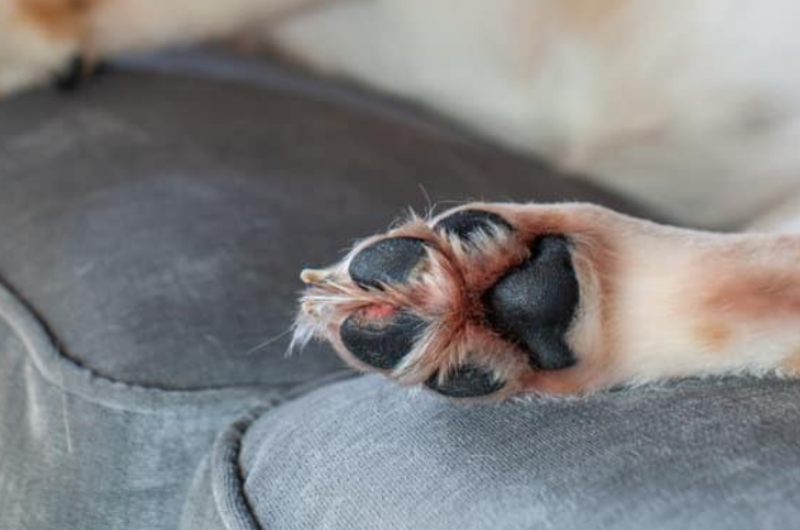
Image Source: zoomadog.co.uk
Recognizing the Signs of Grass Allergy in Dogs
Dogs show allergies differently than people do. Instead of sneezing fits, they usually have very itchy skin. Fathoming the root cause is crucial for effective management.
Common Symptoms to Look For
Grass allergies usually show up seasonally, often in spring, summer, or fall, when grass is actively growing. Look for these main signs:
- Intense Itching (Pruritus): This is the biggest clue. Your dog might scratch, rub, or bite more than usual.
- Licking Paws: Excessive licking, especially the paws, leads to pink or reddish staining on the fur. This is a major sign of dog itchy paws relief seeking behavior.
- Skin Redness and Inflammation: Patches of skin may look red, hot, or raw. This often happens where the dog chews or rubs—belly, armpits, groin, and paws.
- Ear Infections: Recurrent ear infections often accompany skin allergies. You might notice head shaking or foul odor from the ears.
- Hair Loss: Continuous scratching and licking can cause bald spots, usually on the legs, flanks, or tail base.
- Bumps and Sores: Small, pimple-like bumps or scabs can develop due to scratching. This is classic dog skin irritation from grass.
Pinpointing the Culprits: Identifying Dog’s Grass Allergy Triggers
Grass allergies are triggered by pollens from various types of grass. These pollens become airborne and land on your dog’s skin or are inhaled. Identifying dog’s grass allergy triggers involves tracking when symptoms appear.
Seasonal Patterns
If your dog only gets itchy when walking on lawns or during specific times of the year (like late spring through early fall), grass pollen is highly suspected.
The Role of Testing
To confirm grass allergies and rule out other issues (like food allergies or dust mites), your veterinarian advice dog grass allergy management often includes testing.
- Intradermal Skin Testing: Small amounts of common allergens are injected under the skin to see which ones cause a reaction.
- Blood Testing: Blood samples are analyzed to check for antibodies to specific environmental allergens.
These tests help target treatment precisely. If your vet confirms grass allergy, environmental control becomes the main strategy.
Immediate Relief: Tactics for Dog Itchy Paws Relief
When your dog is actively suffering, immediate steps can bring fast comfort while you work on long-term solutions. Seeking dog itchy paws relief is often the top priority for owners.
Bathing and Rinsing
Washing your dog frequently removes pollen clinging to the fur and skin.
Best Bathing Practices
- Use cool or lukewarm water, never hot water, as heat can increase itching.
- Use a gentle, soothing shampoo, like one containing oatmeal.
- Rinse thoroughly. Leaving any residue on the skin can cause irritation.
- Dry your dog completely, especially between the toes, where moisture traps allergens.
Using Wipes
Keep pet-safe cleansing wipes near the door. After every outdoor trip, wipe down your dog’s paws, belly, and muzzle. This mechanical removal of pollen stops the allergen from settling into the skin for hours.
Cooling Measures
Cold temperatures can temporarily numb the itchy sensation.
- Apply cool compresses to irritated spots for a few minutes at a time.
- Let your dog rest on cool tile floors instead of rugs or carpets where allergens can accumulate.
Long-Term Strategy: Managing Environmental Allergies in Dogs
Managing environmental allergies in dogs requires a multi-faceted approach that combines avoidance, medical intervention, and supportive care.
Allergen Avoidance: Making Changes Around Home
While completely avoiding grass pollen is impossible, you can significantly reduce exposure.
Adjusting Walk Times
Pollen counts are generally highest during mid-morning and early evening. Try walking your dog very early in the morning or later in the evening when pollen levels drop.
Lawn Care Adjustments
If you have a yard, keeping the grass cut short reduces the amount of pollen released. Ask your lawn service to avoid using harsh chemicals or fertilizers that might irritate sensitive skin further.
Keeping Pollen Out of the House
- Keep windows closed during peak pollen seasons.
- Use air conditioning, making sure the filters are clean and changed regularly.
- Wash dog bedding frequently, using hot water to kill any lingering irritants.
- Wipe down your dog every time they come inside from a walk.
Veterinary Treatment Options
Your vet will recommend treatments based on the severity of the allergy.
Medications for Acute Flare-Ups
For immediate relief, vets often prescribe:
- Steroids (Corticosteroids): Highly effective at stopping inflammation and itching quickly, but used short-term due to potential side effects.
- Antihistamines: These work well for mild allergies but are less effective for dogs than for humans. They work best as a preventative measure.
- Apoquel or Cytopoint: Newer medications that target the itch signal specifically, offering excellent relief with fewer systemic side effects than traditional steroids.
Immunotherapy: Treating the Cause
Immunotherapy aims to retrain your dog’s immune system to stop reacting to grass pollen. This is the closest thing to a “cure” for allergies.
- Allergy Shots (Subcutaneous Immunotherapy – SCIT): Injections given regularly over time that slowly desensitize the dog.
- Allergy Drops (Sublingual Immunotherapy – SLIT): Drops placed under the tongue daily.
These treatments require dedication but offer the best chance for long-term relief.
Dietary Support: The Role of Nutrition
Diet plays a crucial supporting role when managing environmental allergies in dogs. While food allergies are separate, optimizing nutrition supports skin barrier function, making your dog less reactive to environmental triggers.
Searching for the Best Dog Food for Grass Allergies
The best dog food for grass allergies focuses on high-quality ingredients that support skin health. Look for foods rich in omega-3 fatty acids (like EPA and DHA), which are natural anti-inflammatories.
Key Nutrients for Skin Health
| Nutrient | Benefit for Allergic Skin | Sources in Dog Food |
|---|---|---|
| Omega-3 Fatty Acids | Reduces inflammation and redness | Fish oil, flaxseed |
| Vitamin E | Antioxidant, supports skin barrier | Vegetable oils, fortified foods |
| Zinc | Essential for skin cell turnover and healing | Meat meals, eggs |
| Biotin (B Vitamin) | Supports healthy coat and skin | Yeast, liver |
Prescription Diets
Sometimes, vets recommend limited ingredient diets (LIDs) or novel protein diets. While these primarily target food allergies, removing common food triggers ensures that the itching is truly environmental, making it easier to manage the grass component.
Topical Care: Shampoos and Sprays
Topical treatments are essential for soothing irritated skin and washing off allergens. Hypoallergenic dog shampoo for grass allergy options are readily available.
Choosing the Right Cleanser
When selecting a product, look for soothing, anti-inflammatory ingredients.
- Oatmeal Shampoos: Excellent for soothing raw, itchy skin.
- Medicated Shampoos: Often contain chlorhexidine or ketoconazole if a secondary bacterial or yeast infection has developed due to scratching.
- Fragrance-Free Formulas: Avoid any product with added perfumes, which can be irritating.
Using Conditioners and Sprays
A good conditioner helps restore moisture to the skin barrier after shampooing. Leave-in sprays containing aloe vera or hydrocortisone can provide targeted, temporary relief between baths.
Exploring Natural Remedies for Dog Grass Allergies
Many owners seek natural remedies for dog grass allergies to complement veterinary care. These options focus on boosting the body’s natural defenses.
Omega-3 Fatty Acid Supplementation
Fish oil supplements are one of the most popular natural options. Ensure you use a high-quality supplement formulated specifically for dogs, containing adequate amounts of EPA and DHA to combat systemic inflammation.
Probiotics
A healthy gut microbiome is linked to a balanced immune system. Supplementing with veterinary-specific probiotics may help modulate the immune response, reducing the overreaction to pollen.
Quercetin
This is a natural bioflavonoid found in many fruits and vegetables. Some studies suggest it acts as a mild natural antihistamine. Consult your vet on safe dosing before starting any herbal supplement.
Apple Cider Vinegar (Diluted)
For localized itchiness, a very diluted apple cider vinegar rinse (one part ACV to three parts water) applied to the paws after a walk may help restore the skin’s pH balance, though it must be used carefully on open sores.
Preventing Dog’s Grass Allergy Flare-Ups
Preventing dog’s grass allergy flare-ups is about consistent, proactive management, especially during peak seasons.
Pre-Season Preparation
Before the local grass starts growing vigorously, talk to your vet about starting preventative medications, such as daily antihistamines or starting an immunotherapy schedule, a few weeks ahead of time. This primes the immune system.
The Post-Walk Routine
This routine is non-negotiable when grass is active:
- Immediate Rinse: Use a hose or bucket to rinse pollen off the legs and belly immediately upon coming inside.
- Paw Wipe: Thoroughly wipe all four paws and the lower legs.
- Bedding Change: Place a fresh towel or blanket down before the dog settles for a nap, containing the spread of allergens.
Keeping the Immune System Strong
Ensure your dog maintains a healthy weight and receives consistent, high-quality nutrition. A dog fighting obesity or malnutrition will generally have a weaker overall immune response, making allergy symptoms worse.
When to Call the Veterinarian Advice Dog Grass Allergy Specialist
While home care manages mild cases, certain situations require immediate professional attention. Seek veterinarian advice dog grass allergy specialists if you notice:
- Signs of secondary infection (foul smell, oozing sores, thick yellow/green discharge).
- Self-mutilation (the dog is causing bleeding or deep wounds).
- Lethargy or refusal to eat alongside itching.
- The dog is not responding to over-the-counter relief measures within 48 hours.
Your vet may refer you to a veterinary dermatologist who specializes in chronic skin conditions.
Table: Comparison of Grass Allergy Management Approaches
| Approach | Goal | Pros | Cons |
|---|---|---|---|
| Allergen Avoidance | Reducing exposure | Non-invasive, low cost | Difficult to achieve fully |
| Symptomatic Medication (e.g., Apoquel) | Stopping the itch cycle | Fast-acting relief | Requires ongoing prescription |
| Immunotherapy (Shots/Drops) | Changing the immune response | Potential for long-term reduction/cure | Slow results, high initial cost, commitment required |
| Topical Care | Soothing skin, removing pollen | Safe for frequent use | Only provides surface relief |
| Diet Adjustment | Supporting skin barrier | Supports overall health | Does not treat the allergy directly |
Frequently Asked Questions (FAQ)
Can grass allergy in dogs ever go away completely?
While grass allergies themselves are generally lifelong conditions (like human hay fever), they can often be managed so effectively that the dog shows no symptoms. Immunotherapy has the best chance of significantly reducing or eliminating the reaction over time.
Why does my dog only get itchy on his paws?
Paws are the primary point of contact with grass pollen. When your dog walks, the pollen sticks between the toes and pads. Licking these areas tries to remove the irritant, which leads to redness, secondary yeast infections, and intense localized itching—the classic dog itchy paws relief cycle.
How long does it take for allergy treatment to work?
This depends entirely on the treatment. Medicated relief like Apoquel or steroids can start working within hours to a day. Immunotherapy takes much longer; owners usually start seeing minor improvements after 4 to 6 months of consistent treatment.
Is it possible for my dog to be allergic to grass and food?
Yes. Many dogs suffer from a combination of allergies, known as multi-modal allergies. If your dog is itchy year-round, it suggests both environmental factors (like dust mites or molds) and potentially a food allergy are contributing factors alongside the seasonal grass trigger. This complexity necessitates working closely with your veterinarian.
What is the difference between grass allergy and grass sensitivity?
Sensitivity usually implies a milder reaction or irritation that fades quickly once the grass is removed. An allergy is an immune system overreaction (Type I hypersensitivity) that causes chronic inflammation, intense itching, and often leads to secondary infections if not managed.
Can I use human anti-itch creams on my dog?
No. Never use human topical creams, especially those containing ingredients like hydrocortisone or lidocaine, without specific direction from your vet. Many human topical medications can be toxic if licked, and the concentration may be too high for canine skin. Stick to products designed for dogs, such as specialized hypoallergenic dog shampoo for grass allergy formulas.