
If your dog smells like fish, it often means there is an issue with their dog anal gland issues smell or a possible infection somewhere on their body. This fishy odor is a common complaint for dog owners, but it usually points toward a specific health concern that needs your attention.
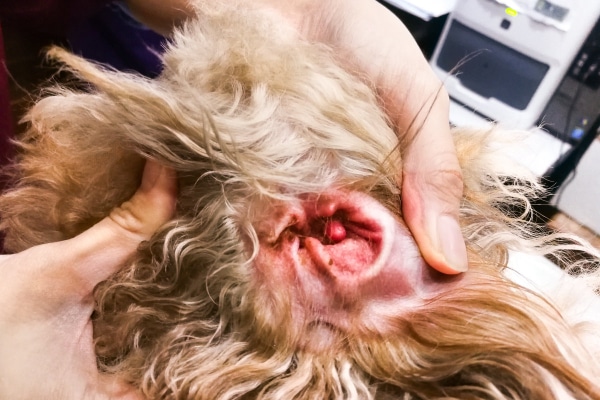
Image Source: toegrips.com
Deciphering the Fishy Odor: Common Causes
The scent of fish coming from your beloved pet is rarely a good sign. It is the body’s way of sending a signal that something needs fixing. While some causes are minor, others require immediate veterinary care. Let’s explore the primary reasons why does my dog smell like old fish.
The Anal Glands: A Prime Suspect
The most frequent culprit when your dog has a fishy odor is related to the anal glands, or anal sacs. These small pouches are located just inside the rectum, one on each side.
What Do Anal Glands Do?
These glands produce a strong-smelling, oily fluid. This fluid is normally expressed (released) when a dog has a bowel movement. It serves as a unique scent marker for your dog. Think of it like a dog’s personal “calling card.”
When Things Go Wrong
Sometimes, these glands do not empty properly. They can become impacted (blocked) or infected. When this happens, the buildup creates a very pungent smell. This scent is often described as metallic, foul, or distinctly like old, strong fish. This is the classic dog anal gland issues smell.
- Impaction: The sacs are full and cannot empty naturally.
- Infection: Bacteria grow inside the full sacs, leading to pain and a stronger odor.
- Abscess: If an infection is severe, a painful pocket of pus can form, often bursting through the skin near the anus, releasing a very foul discharge.
If you notice your dog scooting their rear end on the floor, this is a major sign that the glands are bothering them, leading to that strong, fishy smell.
Infections: Where Microbes Thrive
Infections are another major source of that telltale smell. Many types of bacteria and yeast naturally live on a dog’s skin. When the balance is upset, these organisms multiply too fast. This overgrowth causes irritation, inflammation, and a strong odor.
Skin Infections and Odor
A dog skin infection fish smell often comes from bacterial or yeast growth in moist areas. Dogs that spend a lot of time swimming or have heavy skin folds are more prone to this.
- Skin Folds: Breeds like Bulldogs or Pugs often trap moisture in their wrinkles. This creates a perfect, warm, wet environment for odor-causing microbes.
- Hot Spots: These are inflamed, raw, and infected areas on the skin. They ooze fluid and emit a terrible stench, sometimes described as smelling like rotten meat or strong fish.
Ear Infections
If the smell is concentrated around your dog’s head, check their ears. A dog yeasty infection fishy odor is incredibly common in the ears. Yeast (Malassezia) loves dark, warm spaces.
- Symptoms: Shaking the head, scratching the ears, redness inside the ear flap, and a distinct sweet-yet-fishy smell.
- Why Fishy? The breakdown products from the yeast and bacteria produce volatile organic compounds that we perceive as a strong, fish-like odor.
Urinary and Reproductive Tract Issues
Problems with the urinary system or reproductive organs can also cause a noticeable fishy scent.
Urinary Tract Infections (UTIs)
When a dog has a dog urinary tract infection fishy smell, it is usually due to the bacteria present in the urine.
- Symptoms: Frequent urination, straining to pee, or licking the genital area excessively.
- Discharge: If the dog is leaking small amounts of urine or has discharge, the persistent dampness will lead to a strong smell.
Vaginal Issues in Female Dogs
For female dogs, a fishy odor is a serious sign that warrants a vet visit. Dog vaginal discharge fishy smell often indicates an underlying issue.
- Vaginitis: Inflammation of the vagina.
- Pyometra: A severe uterine infection that is a life-threatening emergency. This discharge is usually thick, pus-like, and smells extremely foul, often like old fish mixed with decay.
Dental Disease: When Dog Breath Smells
While less common to smell across the whole body, severe dental problems can cause a localized, foul odor. If you lean down to pet your dog and think, “Dog breath smells like fish,” it is a dental emergency.
- Cause: Bacteria build up under the gum line. When the tissue starts to break down, it releases sulfur compounds and other foul-smelling byproducts.
- Comparison: While usually described as rotten meat or sulfurous, severe dental decay can sometimes register as a strong, fishy smell to some owners.
Identifying the Source: A Step-by-Step Guide
When you detect that your canine smells like rotten fish, you need to become a detective. Pinpointing the exact location of the smell is the first crucial step toward resolving the issue.
1. Systematic Sniffing
Start by examining your dog from head to tail, paying close attention to common scent hotspots.
| Body Area | What to Look For | Potential Problem |
|---|---|---|
| Rear End/Tail Base | Redness, swelling, discharge, scooting behavior. | Anal Gland Issues |
| Ears | Dark, waxy debris, redness, shaking head. | Yeast or Bacterial Ear Infection |
| Skin/Coat | Red patches, greasy fur, excessive scratching, flaking. | Skin Infection (Hot Spots) |
| Mouth/Gums | Brown or yellow tartar, red gums, drooling. | Severe Dental Disease |
| Genital Area | Wetness, colored discharge (especially in unspayed females). | UTI or Vaginitis |
2. Recognizing the “Fish” Scent Quality
The intensity and precise quality of the smell can offer clues.
- Sharp, Metallic Fish: This is most often associated with fully impacted or infected anal glands. It’s a raw, powerful scent.
- Sweet, Musty Fish: This often points toward a yeast infection, common in ears or skin folds.
- Decaying, Rotten Fish: This is alarming and usually signals a severe infection, like an abscess or pyometra, where tissue is breaking down. If your dog smells like dead fish, seek immediate veterinary help.
Fathoming Anal Gland Issues in Depth
Since anal gland problems are so common, it deserves a closer look. If you are asking, “Why does my dog smell like old fish?” this section will explain the mechanics behind this odor.
The Chemistry of the Smell
The fluid within the anal glands is packed with fatty acids and volatile organic compounds. These compounds are designed to be intensely noticeable to other dogs. When they are trapped in the gland, these chemicals can oxidize or ferment slightly, creating the specific, unmistakable “fishy” odor we associate with poor anal gland health.
Signs Your Dog Needs Gland Expression
It is not always the smell alone that alerts an owner. Look for behavioral changes:
- Scooting: Dragging the rear end across the floor or carpet.
- Licking/Biting: Excessive attention paid to the tail area.
- Pain: Hesitancy when sitting or standing up.
- Farting Smells: Sometimes, a small amount of fluid leaks out with a bowel movement or a passing gas cloud, leading to a sudden, intense odor.
Veterinary Intervention for Anal Glands
If you suspect your dog is suffering from dog anal gland issues smell, a veterinarian needs to check them. Do not attempt to manually express the glands yourself unless you have been trained by a vet, as improper technique can cause serious pain or injury.
The vet will gently check the sacs. If they are impacted, the vet will express them. If they are infected, antibiotics and flushing may be necessary. In recurrent cases, surgical removal might be discussed, though this is usually a last resort.
Investigating Infections: Yeast and Bacteria
When the smell persists even after checking the rear end, look closely at the skin, ears, and paws.
Yeast Infections: The Sweet Stench
Yeast infections, particularly in dogs prone to allergies, create a characteristic odor. Yeast naturally lives on the skin, but an imbalance (often caused by allergies, moisture, or weakened immunity) causes it to boom.
This overgrowth produces organic acids. These acids often smell musky, cheesy, or distinctly like sweet fish. This is the hallmark of a dog yeasty infection fishy odor.
- Common Spots: Ears, paws (especially between the toes), skin folds, and the groin area.
- Appearance: Skin might look greasy, red, or brown (often stained from licking).
Bacterial Infections: The Foul Odor
Bacteria cause a more pungent, sometimes acrid smell. A dog skin infection fish smell can be caused by Staph or Pseudomonas bacteria.
- Moisture is Key: Areas where moisture lingers—under floppy ears, in deep wrinkles, or where the dog licks a hot spot—are prime breeding grounds.
- Treatment: Treating these usually requires topical washes, medicated shampoos, and often oral antibiotics prescribed by your vet after taking a swab to identify the exact bacteria present.
When the Smell Comes from Within: Urinary and Reproductive Health
If external examination does not reveal the source, the issue might be related to internal secretions.
UTIs and Urinary Leaks
A dog urinary tract infection fishy smell is often noticeable when the dog urinates or when they lie down after using the bathroom. The urine itself may be cloudy or bloody, in addition to smelling strongly of fish due to the presence of specific odor-producing bacteria.
Hormonal or Reproductive Causes (Females)
For female dogs, especially those that are not spayed, persistent foul discharge must be addressed immediately. Dog vaginal discharge fishy smell is a massive red flag for pyometra.
- Pyometra: This is a life-threatening infection of the uterus. Symptoms include lethargy, increased thirst, and the presence of thick, foul-smelling vaginal discharge. If your female dog has this symptom, this is a medical emergency requiring immediate surgical intervention.
Practical Home Care and Prevention
Once the vet has treated the underlying medical condition causing the smell, you can take steps to prevent it from returning. Prevention is key to keeping your dog fresh.
Maintaining Anal Gland Health
Healthy digestion is crucial for healthy anal glands.
- High Fiber Diet: A diet rich in fiber helps bulk up the stool. Harder, firmer stools put pressure on the anal glands, helping them empty naturally during defecation. Talk to your vet about adding safe fiber sources like canned pumpkin (plain, not pie filling).
- Weight Management: Overweight dogs often have less muscle tone, which can hinder proper gland function.
Controlling Skin and Ear Moisture
Moisture management stops yeast and bacteria from flourishing.
- Thorough Drying: Always dry your dog completely after baths or swimming. Pay extra attention to ears, paw pads, and skin folds.
- Ear Cleaning: Use vet-approved ear cleaners regularly if your dog is prone to ear infections.
- Addressing Allergies: If yeast keeps recurring, underlying environmental or food allergies are likely present. Managing these allergies is the only way to stop the chronic dog yeasty infection fishy odor.
Dental Hygiene Routine
Preventing the source of bad breath odor starts with daily care.
- Brushing: Brush your dog’s teeth daily with enzymatic dog toothpaste.
- Dental Chews and Water Additives: Use veterinarian-approved products to help reduce plaque buildup between cleanings.
| Prevention Tip | Target Issue | Benefit |
|---|---|---|
| Increase dietary fiber | Anal Gland Impaction | Firmer stool aids natural emptying. |
| Thoroughly dry skin folds | Skin/Yeast Infections | Reduces moisture where microbes grow. |
| Regular ear cleaning | Ear Infections | Prevents yeast overgrowth creating that fishy smell. |
| Daily tooth brushing | Dental Disease | Stops bacterial buildup causing foul breath. |
When to Rush to the Veterinarian
While a mild, temporary odor might be manageable at home (like a quick ear clean), certain situations require immediate professional help. Never ignore these warning signs:
- Sudden, Extreme Odor: If the smell suddenly becomes overpowering, especially if it smells like decay, it signals a potentially serious internal infection (like pyometra or a ruptured abscess).
- Signs of Pain: If your dog is whimpering, refusing to sit, or violently scratching an area, they are likely in significant pain requiring urgent treatment.
- Lethargy and Sickness: If the fishy smell accompanies fever, vomiting, loss of appetite, or weakness, this is an emergency. A severe internal infection can lead to sepsis.
- Persistent Discharge: Any discharge that is thick, discolored (green, yellow, brown), or smells foul and does not resolve after 24 hours needs investigation.
Conclusion: Taking Action on the Fishy Smell
Discovering that your dog smells like dead fish can be startling. Remember that this odor is almost always a sign that your dog’s body is struggling with a blocked gland, an infection, or an underlying health issue. From dog anal gland issues smell to persistent yeast overgrowth, the key is quick identification. By systematically checking your dog’s rear end, ears, skin, and mouth, you can narrow down the cause. Always consult your veterinarian for a definitive diagnosis and treatment plan to restore your dog’s natural, happy scent.
Frequently Asked Questions (FAQ)
Can I express my dog’s anal glands myself if they smell fishy?
While some owners are taught how, it is generally safer to have a veterinarian or groomer do it, especially if the glands are impacted or painful. Improper technique can cause pain, rupture the sacs, or push the blockage deeper. If the smell is strong and related to the rear end, schedule a vet appointment first.
Is a fishy smell on my dog contagious to humans?
No, the infections or gland issues that cause the fishy odor (bacterial, yeast, or anal gland fluid) are not contagious to people. However, if the smell is very strong, the bacteria or yeast causing the odor could potentially transfer from the dog to surfaces or bedding, requiring good hygiene.
If my dog’s breath smells like fish, does that mean they have cancer?
While severe dental disease is the most common cause of a fishy dog breath smells like fish, in rare cases, certain oral tumors or cancers can cause severe tissue breakdown that results in an extremely foul odor. If regular brushing and dental care do not clear up the smell, a veterinary dental exam is essential.
How often should a vet check my dog’s anal glands?
This depends entirely on the dog. Dogs prone to issues might need checking every 4–8 weeks during their regular wellness exams. Other dogs may never need manual expression. If you notice scooting or smell that distinct odor, schedule a check right away, regardless of the last appointment date.
Can diet cause a dog to suddenly smell like fish?
A sudden shift in diet, especially one that is very high in fat or low in easily digestible fiber, can absolutely cause the anal glands to become impacted, leading to that sharp fishy smell. Changes in diet should always be gradual to maintain healthy digestion.