
The right amount of protein for a dog depends on several factors, including their age, activity level, health status, and life stage. Puppies need more protein for growth, while senior dogs may need high-quality, easily digestible protein to maintain muscle mass without straining the kidneys.
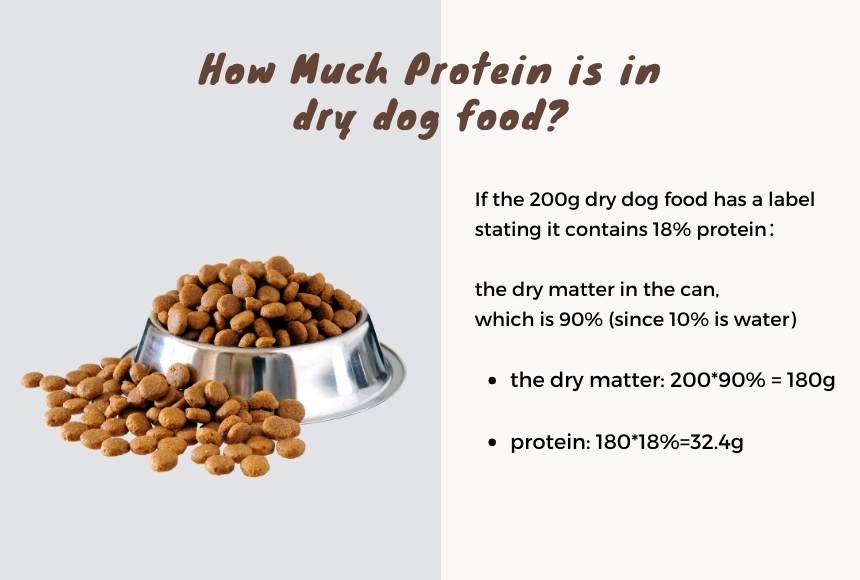
Image Source: cdn.shopify.com
The Core Role of Protein in Canine Health
Protein is vital for your dog. It is not just about muscle building. Protein helps every part of your dog’s body work well. Think of protein as the tiny building blocks for life. These blocks make up muscles, skin, hair, and even enzymes that help with digestion. Getting the right dog protein requirements right is key to long, healthy life.
What Exactly is Protein?
Proteins are large molecules made up of smaller parts called amino acids. Dogs need 22 different amino acids to stay healthy. Ten of these are called “essential” amino acids. This means a dog’s body cannot make them. They must come from the food they eat. If a dog’s food lacks these essential building blocks, health problems can start.
Why Protein Matters So Much
Protein does many jobs in a dog’s body. Knowing the purpose helps explain why canine protein intake is so important.
- Muscle Building and Repair: This is the most known job. Protein keeps muscles strong. This is crucial for running, playing, and even just standing up.
- Immune System Support: Antibodies, which fight off sickness, are made of protein. Good protein intake means a strong defense system.
- Skin and Coat Health: Healthy skin and a shiny coat need protein. It helps repair skin cells daily.
- Enzymes and Hormones: Many vital body messengers, like hormones, are proteins. They control digestion and growth.
Setting the Right Dog Protein Requirements
The amount of protein a dog needs changes. It is not a one-size-fits-all number. We must look at the dog’s life stage first.
Protein Needs for Puppies and Growing Dogs
Puppies grow fast. They need much more protein than adult dogs. This extra protein supports rapid tissue development.
- Puppy Needs: Growing puppies usually need protein levels between 25% and 30% of their total diet on a dry matter basis (DMB).
- Why More is Better Now: Rapid growth demands a high supply of amino acids. Low protein during this time can stunt growth or weaken muscles.
Protein for Active and Working Dogs
Dogs that work hard or exercise a lot burn more calories. They also break down muscle tissue faster.
- Increased Demand: Highly active dogs, like sled dogs or agility champions, need higher protein. Their daily protein for a dog should be higher than a couch potato’s.
- Recovery: More protein helps muscles repair quickly after hard work.
Protein for Adult Maintenance Dogs
A healthy adult dog needs enough protein to keep its body running smoothly. This is the baseline level.
- AAFCO Guidelines: The Association of American Feed Control Officials (AAFCO) sets minimum standards. For adult maintenance, AAFCO requires a minimum of 18% protein on a DMB. However, many experts suggest higher levels for optimal health.
Protein for Senior Dogs
Older dogs have different needs. They often struggle to absorb nutrients as well as younger dogs.
- Muscle Loss Prevention: Older dogs lose muscle mass naturally. This is called sarcopenia. A diet with high-quality, easily digestible protein helps fight this loss.
- Kidney Health Balance: While they need protein, very old dogs or those with kidney issues might need a specific protein level set by a vet. Too much protein can stress weak kidneys. Optimal dog protein levels must be personalized here.
Interpreting Dog Food Protein Content
Looking at a bag of dog food can be confusing. You need to know how to read the label to check the dog food protein content.
Guaranteed Analysis vs. Dry Matter Basis (DMB)
The label shows the “Guaranteed Analysis.” This lists protein as a percentage of the food as packaged. This is often misleading, especially for wet food.
- Wet Food Issue: Canned food is often 70-85% water. If a can says 10% protein, most of that is water weight.
- Calculating DMB: To truly compare foods, you must calculate the Dry Matter Basis (DMB).
Simple DMB Calculation:
- Find the Guaranteed Analysis percentage for protein.
- Find the guaranteed percentage for moisture (water).
- Subtract moisture from 100 to find the dry matter percentage.
- Divide the protein percentage by the dry matter percentage.
- Multiply by 100 to get the DMB percentage.
Example: A canned food has 10% protein and 80% moisture.
Dry Matter = 100% – 80% = 20%
DMB Protein = (10 / 20) * 100 = 50% protein on a DMB.
This conversion is essential when comparing kibble (which might be 8% moisture) to canned food.
Digestibility: Quality Over Quantity
Not all protein sources are equal. The digestibility of the protein matters more than just the percentage number. Highly digestible protein means the dog absorbs more of the amino acids.
- High Quality: Animal proteins (meat, eggs) are usually highly digestible.
- Lower Quality: Some plant proteins are harder for dogs to break down fully.
Best Protein Sources for Dogs
A balanced diet needs the right mix of amino acids, derived from excellent sources. Focusing on the source is key to achieving optimal dog protein levels.
Animal-Based Protein Sources
These are generally considered the gold standard for canine nutrition. They provide a complete profile of essential amino acids.
- Muscle Meat: Chicken, turkey, beef, lamb. These are excellent mainstays.
- Organ Meats: Liver, heart, and kidney are packed with nutrients and protein. They should be fed in moderation due to high vitamin A or mineral content.
- Fish: Salmon, sardines, and mackerel offer protein plus healthy omega-3 fatty acids.
- Eggs: Often called the perfect protein, eggs are highly digestible and nutrient-dense.
Plant-Based Protein Sources
While dogs thrive on animal protein, plants can supplement the diet. They are often used to boost fiber or protein content in vegetarian or vegan formulas (which require careful balancing).
- Legumes: Peas, lentils, and chickpeas offer protein but must be balanced with animal sources to ensure all essential amino acids are met.
- Grains: Corn and wheat offer some protein, but they are often less bioavailable than meat proteins.
The Debate on High Protein Diet for Dogs
A high protein diet for dogs is often sought after, especially by active owners feeding raw or specialized kibbles.
- When is High Protein Good? For growing puppies, performance athletes, or very lean senior dogs needing muscle support, higher protein (up to 35-40% DMB) can be beneficial.
- When is High Protein Risky? For dogs with pre-existing kidney or liver disease, very high protein can increase the workload on those organs. Always consult a veterinarian before pushing protein levels too high for a dog with known health issues.
Protein in Specialized Diets
Different lifestyles require different approaches to daily protein for a dog.
Raw Food Protein for Dogs
Raw feeding emphasizes uncooked meats, organs, and bone. This diet naturally focuses on high-quality, highly digestible protein.
- Benefits: Proponents note that the protein is closer to a canine’s ancestral diet, potentially leading to better muscle maintenance and coat health.
- Risks: The main concerns are bacterial contamination (Salmonella) and nutritional imbalance if not formulated correctly. Ensuring the raw food protein for dogs is balanced with fats and other nutrients is vital.
Grain-Free Diets and Protein
Grain-free diets often replace grains with legumes (like peas and potatoes). This can sometimes lead to a higher overall protein percentage because the carbohydrate filler is swapped for a legume filler, which contains more protein. Owners must check the source of that extra protein.
Risks of Too Little or Too Much Protein
Maintaining the correct balance is crucial. Both deficiency and excess can cause problems.
Signs of Protein Deficiency in Dogs
A lack of sufficient protein slows down essential bodily functions. Be vigilant for these signs:
- Poor Coat Condition: Dull, brittle, or sparse fur. Hair loss might occur.
- Muscle Wasting: The dog looks thin, especially around the hips and shoulders, even if eating enough calories overall.
- Weakened Immune System: Frequent or lingering illnesses. The dog gets sick often.
- Slow Healing: Wounds or injuries take a long time to repair.
- Lethargy: Reduced energy levels or general weakness.
Risks Associated with Excess Protein
For healthy dogs, excess protein is usually burned for energy or converted to fat, which is then stored. However, problems can arise in certain scenarios:
- Kidney Strain: While modern research suggests healthy kidneys can handle high protein, dogs with pre-existing Chronic Kidney Disease (CKD) must restrict protein intake as recommended by a vet.
- Digestive Upset: Very sudden shifts to a high protein diet for dogs can cause temporary diarrhea or vomiting as the gut adjusts.
How to Calculate a Dog’s Individual Needs
Moving beyond general guidelines requires looking at the individual dog. This helps determine the precise daily protein for a dog.
Body Condition Scoring (BCS)
Use the BCS scale (1 to 9) to judge your dog’s current muscle mass.
- Score 1-3 (Too Thin): May need increased protein to rebuild muscle.
- Score 4-5 (Ideal): Maintain current protein levels.
- Score 6-9 (Overweight): Protein intake should remain adequate, but overall calories (fat) should be controlled to promote muscle maintenance without weight gain.
Age and Activity Calculation Example
Consider “Max,” a four-year-old, moderately active Labrador Retriever weighing 70 pounds.
- Target Protein Percentage (DMB): For an active adult, let’s aim for 25% DMB protein.
- Daily Caloric Needs (Resting Energy Requirement – RER): RER is calculated based on weight. For a 70 lb dog (31.8 kg), RER is roughly 1080 kcal/day.
- Daily Energy Requirement (DER): Max is active, so we multiply RER by an activity factor (usually 1.6 to 2.0). Let’s use 1.8.
DER = 1080 kcal * 1.8 = 1944 kcal/day. - Calculating Grams of Protein Needed: If the dog food has 3500 kcal per kg and 25% of that is protein:
- Protein kcal per kg of food: 3500 kcal/kg * 0.25 = 875 kcal from protein per kg.
- Grams of protein per kcal: 4 kcal per gram of protein.
- Grams of protein per kg of food: 875 kcal / 4 kcal/g = 218.75 grams of protein per kg of food.
- Daily Intake: If Max eats 0.4 kg (about 400g) of this specific food daily:
- Total daily protein consumed: 400g food * (218.75g protein / 1000g food) = 87.5 grams of protein per day.
This complex calculation shows why consulting the label and ensuring the food meets AAFCO standards is the easiest initial step, followed by adjustments based on veterinary advice.
The Quality of Amino Acids in Canine Protein Intake
The true measure of canine protein intake quality lies in its amino acid profile.
Limiting Amino Acids
In any protein source, the amino acid present in the lowest amount relative to the dog’s needs is the “limiting amino acid.” This single amino acid limits how much body protein can be built, even if all other amino acids are plentiful.
For dogs, lysine, methionine, and tryptophan are often the ones to watch closely. High-quality animal proteins naturally contain balanced amounts of these crucial building blocks.
Digestibility Matters for Absorption
We look at two main digestibility scores:
- Apparent Digestibility: Simple measurement of what goes in versus what comes out.
- True Digestibility: A more complex measure that accounts for the dog’s own digestive secretions.
When evaluating dog food protein content, remember that a food listing 30% protein might only deliver 25% usable protein if it has poor digestibility.
Monitoring Your Dog’s Response to Protein Levels
Feeding is an ongoing experiment. You must watch your dog closely, especially when changing their dog protein requirements.
Physical Checks
Regularly perform these checks:
| Observation Point | Healthy Sign | Sign to Investigate |
|---|---|---|
| Muscle Tone | Firm, easily felt muscle over ribs and spine. | Ribs easily visible; sunken flanks (may show signs of protein deficiency in dogs). |
| Energy Levels | Energetic, playful, good stamina. | Lethargy, reluctance to exercise. |
| Coat and Skin | Shiny, soft coat; no flakiness or excessive shedding. | Dull coat, excessive scratching, slow healing. |
Veterinary Monitoring
If you are experimenting with a high protein diet for dogs or feeding raw food, routine veterinary bloodwork is necessary.
- Kidney Values (BUN, Creatinine): These values check how well the kidneys are processing protein waste. If these increase significantly, protein intake might be too high for that dog’s current kidney function.
- Liver Enzymes: The liver metabolizes protein. High enzyme levels can indicate liver stress.
Final Thoughts on Protein Needs for Dogs
Determining the perfect amount of protein is an art guided by science. It moves far beyond simply reading the first number on the bag. Focus on the dog’s life stage first, calculate based on Dry Matter Basis, and prioritize high-quality, digestible animal sources.
For puppies, ensure high levels for growth. For active dogs, use moderate to high levels to support performance. For seniors, focus on high quality to combat muscle loss, always ensuring kidney health is monitored. By paying close attention to these details, you ensure your companion receives the necessary building blocks for a vibrant, healthy life. Seeking advice on optimal dog protein levels from your trusted veterinarian is the best way to personalize this crucial aspect of their diet.
Frequently Asked Questions (FAQ)
Can I feed my dog a vegetarian diet?
Yes, dogs can survive on a properly formulated vegetarian or vegan diet, but it requires expert planning. Since dogs are facultative carnivores (meaning they can digest plants but thrive on meat), ensuring they get all essential amino acids like taurine, which is abundant in meat, is very challenging without synthetic supplementation or a perfectly balanced mix of plant proteins.
Is protein bad for a dog’s kidneys?
For a dog with healthy kidneys, protein is not inherently bad. Healthy kidneys efficiently filter the waste products from protein metabolism. However, for dogs already diagnosed with Chronic Kidney Disease (CKD), a reduced or controlled protein diet is often necessary to lessen the workload on the failing organs. Always follow your veterinarian’s specific guidance regarding protein if your dog has kidney issues.
How much protein should my senior dog have?
Senior dogs generally benefit from moderate to high-quality protein, often in the range of 25% to 30% DMB, provided their kidneys are healthy. The focus should be on high digestibility to ensure maximum absorption for muscle maintenance, fighting age-related muscle loss.
What is the difference between protein percentage and amino acid quality?
The protein percentage tells you how much total protein is in the food. The amino acid quality tells you how useful that protein is. A food might have 30% protein, but if it lacks sufficient amounts of essential amino acids like lysine, the dog cannot use the other protein components efficiently for building tissues. Quality sources (like meat) offer superior amino acid profiles.
How can I spot signs of protein deficiency in dogs quickly?
The most immediate visual signs are usually related to the coat and body condition. Look for a dull, dry coat, excessive shedding, or a visible loss of muscle mass, especially noticeable when looking down at their back or hips.