
Dogs chew on feet for many reasons, often stemming from natural instincts, developmental stages like teething, seeking attention, or dealing with underlying stress or boredom.
Chewing is a normal dog activity. However, when the target becomes human feet, it can quickly turn into a frustrating problem for owners. Fathoming the root cause is the first step to stopping this destructive chewing behavior. This article dives deep into why your dog might be targeting your ankles and toes and gives you clear steps on what to do about it.
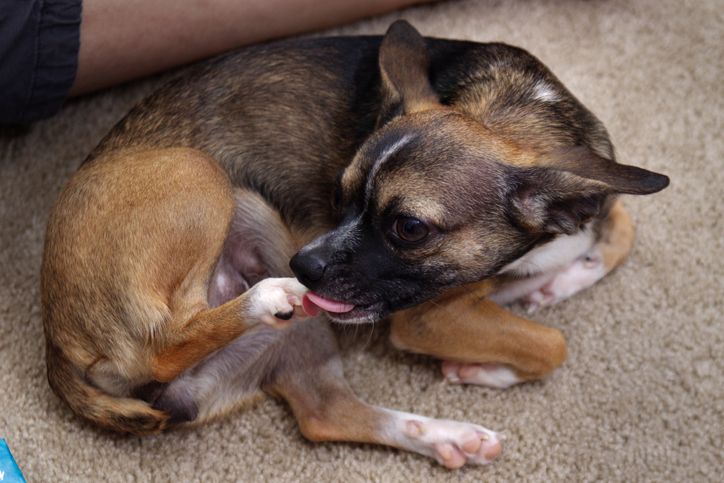
Image Source: cdn.whole-dog-journal.com
Deciphering Puppy Biting Feet: Natural Instincts and Development
For young dogs, especially those experiencing rapid growth, chewing is essential. It helps them explore the world and manage physical discomfort.
The Role of Teething Puppies Biting
Teething puppies biting is extremely common. When puppies are between three and six months old, their baby teeth fall out, and adult teeth come in. This process can make their gums sore and itchy.
- Relief Seeking: Chewing on hard, textured objects feels good on sore gums. Feet, often warm, soft, and moving, present an irresistible target.
- Exploration: Puppies use their mouths like human babies use their hands. They learn about texture, shape, and taste by mouthing things. Your socked foot is a novel texture.
If you have puppy biting feet, remember that this stage usually passes, but training must start right away to prevent bad habits from sticking.
Instinctual Exploration and Play
All dogs are natural chewers. Chewing is a healthy way for them to release energy and satisfy their primal needs.
Play Biting vs. Aggression
Sometimes, a dog attacks the feet during play. This often happens when the dog is over-excited or hasn’t learned bite inhibition yet.
- Sudden Movements: Feet move! They wiggle, run, and dart away. This movement triggers the dog’s chase or prey drive. The dog thinks, “That thing is running; I must catch it!”
- Attention Seeking: If you yelp, jump back, or start talking loudly when your dog bites your foot, you are giving them a big reaction. For bored dogs, negative attention is better than no attention. This reinforces the behavior.
Reasons Dogs Chew Feet: Beyond Puppyhood
While teething explains much of the early behavior, adult dogs chewing on feet often signals deeper issues related to environment or emotional state. If you notice dog chewing everything, feet might just be the most accessible item.
Boredom and Lack of Stimulation
A common reason for excessive dog chewing behavior is simple boredom. Dogs need physical and mental work every day. If they do not get enough, they will create their own entertainment.
- Low Exercise: A tired dog is usually a good dog. If a dog is not getting enough walks, runs, or intense play, they will redirect that pent-up energy.
- Mental Deprivation: Puzzles, training sessions, and scent work tire a dog out mentally. A bored mind looks for stimulation, and chewing on a dangling foot works well.
Seeking Attention and Affection
Dogs quickly learn cause and effect. If chewing your shoe or nipping your heel results in you stopping what you are doing to focus on them, they will repeat it.
Dog chewing shoes is often attention-seeking, and feet are just as valuable as shoes if they get a reaction. The dog learns: “If I grab the foot, the human interacts with me.”
Anxiety, Stress, and Coping Mechanisms
Chewing acts as a self-soothing mechanism for dogs experiencing stress or anxiety. It releases endorphins that calm them down.
- Separation Anxiety: A dog left alone who starts chewing destructively might be trying to cope with the distress of separation.
- Environmental Stressors: Loud noises, changes in routine, or the arrival of a new pet can trigger anxiety that manifests as chewing. The rhythmic action of chewing helps them regulate their nervous system.
Medical Issues
Though less common than behavioral reasons, pain or discomfort can sometimes lead to licking or chewing specific body parts, including feet.
If the chewing is focused heavily on one foot, excessive licking, or raw skin appears, a vet visit is crucial. They might have an allergy, an injury, or an orthopedic issue causing localized discomfort.
Differentiating Chewing Types: Shoes vs. Feet
It is helpful to categorize the chewing behavior. If your dog is engaging in dog chewing shoes, the motivation might differ slightly from targeting bare feet.
| Chewing Target | Likely Primary Motivation | Common Age Group |
|---|---|---|
| Shoes/Slippers | Scent appeal (owner scent), texture, boredom | All Ages |
| Feet/Ankles (during movement) | Prey drive, play excitement, attention seeking | Puppies & Young Adults |
| Feet (when resting) | Comfort, anxiety relief, seeking gentle contact | Anxious or bored dogs |
Practical Strategies to Stop Dog From Biting Feet
Stopping this behavior requires consistency, management, and redirection. You need to change the dog’s motivation and teach them what is appropriate to chew. The goal is to stop dog from biting feet effectively without scaring or harming the dog.
1. Management: Preventing Rehearsal of the Behavior
The most critical first step is prevention. Every time your dog successfully chews your foot, the behavior gets stronger.
- Barriers: When you cannot actively supervise your dog, confine them to a safe space (crate, playpen) with appropriate chew toys.
- Footwear: Wear thick boots, slippers, or keep socks pulled high. This protects your skin and makes the target less satisfying to chew. If the foot is not accessible, the behavior stops.
- Leash Control: Keep your dog on a light leash tethered to you while you are home. This allows you to interrupt the behavior immediately before it escalates.
2. Redirection: Offering Better Alternatives
If your dog chews on feet due to boredom or the need to chew, you must provide high-value, appropriate alternatives. This is how to redirect dog chewing.
- High-Value Chews: Always have exciting toys available. Rotate them so they stay novel. Examples include puzzle toys stuffed with frozen peanut butter, durable rubber chews (like Kongs), or safe dental sticks.
- Timing is Key: If you see your dog starting to sniff or look intently at your feet—the precursor to a bite—immediately place a favorite toy in their mouth. Praise them heavily when they take the toy instead of your foot.
3. Addressing Puppy Biting Feet and Over-Excitement
When teething puppies biting or older dogs get overstimulated, the chewing is often rooted in over-arousal.
The “Yelp and Withdraw” Technique (For Puppies)
This mimics how littermates teach bite inhibition.
- If the puppy mouths too hard, give a high-pitched “Ouch!” or yelp.
- Immediately stop all interaction and walk away for 10–30 seconds.
- This teaches the puppy that hard biting makes the fun stop instantly.
Implementing Time-Outs (For All Ages)
If redirection fails, a brief, calm time-out is necessary.
- When the foot-chewing starts, calmly remove yourself from the situation or gently move the dog to their crate or a designated “boring” area for one minute.
- The goal is not punishment but removing the reinforcement (your attention or the excitement of the chase).
4. Enrichment to Combat Boredom and Destructive Chewing Behavior
If the root cause is behavioral issues dog chewing due to lack of enrichment, you need to increase the dog’s mental and physical workload.
- Increase Exercise: Ensure daily activity meets your dog’s breed and age requirements. A brisk walk is good, but a fast-paced game of fetch or flirt pole chasing is often better for draining energy.
- Mental Games: Incorporate five to ten minutes of obedience training throughout the day. Scatter kibble in the yard so the dog has to use their nose (scent work is very tiring).
| Enrichment Activity | Benefit | Time Needed |
|---|---|---|
| Puzzle Toys (Food Dispensing) | Slows eating, provides mental work | 10–20 minutes |
| Training Sessions (New Tricks) | Focuses attention, builds bond | 5–10 minutes, several times daily |
| Scent Games (Find the Treat) | Taps into natural hunting instincts | 15 minutes |
5. Addressing Attention-Seeking Chewing
If your dog only bites feet when you are stationary (e.g., reading or watching TV), they are likely seeking contact.
- Proactive Attention: Before they start chewing, initiate calm, positive attention. Pet them, give them a short training command for a treat, or toss them a toy.
- Ignore the Bad, Reward the Good: Completely ignore the foot chewing (if safe to do so, perhaps by tucking your feet under a blanket). The instant they stop, offer calm praise and attention. Never reward the chewing attempt with a strong reaction.
Advanced Tactics for Persistent Chewing
For dogs where simpler methods aren’t working, especially those with persistent destructive chewing behavior, consider these advanced tools.
Taste Aversion Sprays
Products like Bitter Apple or white vinegar sprays can be applied to shoes, furniture legs, or even socks (if they are not irritating to your skin). This makes the target taste awful.
- Caution: Do not spray your dog directly. Use this only on inanimate objects or clothing items. If the dog chews your foot, spray the object they are chewing, not the foot itself.
Training “Leave It” and “Trade”
These are non-negotiable commands for controlling problematic chewing.
- Leave It: Teach your dog that “Leave It” means completely ignoring an item, even if it’s incredibly tempting. Practice this first with low-value items before moving to feet approximations (like a sock left on the floor).
- Trade: Teach the dog that giving up what they have (even a foot) results in something much better (a high-value treat). If they have your foot in their mouth, present the treat right by their nose and say “Trade.” When they release the foot to take the treat, praise them hugely.
When to Seek Professional Help for Behavioral Issues Dog Chewing
If you have been consistent with management, training, and enrichment for several weeks and see no improvement, or if the chewing is severe, escalating, or accompanied by growling or snapping, it is time to call in the experts.
Consulting a Certified Professional
- Veterinary Behaviorist (DACVB): These are veterinarians who specialize in behavior. They can rule out medical causes and prescribe medication if anxiety is a major component fueling the excessive dog chewing.
- Certified Professional Dog Trainer (CPDT-KA) or Behavior Consultant (CBCC-KA): These professionals can assess your home environment, observe the specific trigger for the foot chewing, and tailor a custom modification plan.
They can help address complex behavioral issues dog chewing that are rooted in deep-seated fear or territoriality, which simple redirection might not fix.
Frequently Asked Questions (FAQ)
Why does my adult dog suddenly start chewing my feet?
An adult dog suddenly exhibiting this behavior often signals a change. This could be due to a new stressor (moving, new person in the house), a recent decrease in exercise, or the onset of pain that makes them irritable or seek comfort via chewing. Rule out medical issues first.
Is it okay if my puppy mouths my feet a little bit?
Mild mouthing during play is normal for teething puppies biting. However, it should never be encouraged. Even light mouthing can escalate when the dog gets older or more excited. Set firm boundaries early: feet are hands-off territory.
My dog keeps chewing my shoes when I leave. Is this related to foot chewing?
Yes. Both dog chewing shoes and feet are often linked to scent association and attention seeking. Shoes carry a strong scent of you, providing comfort when you are gone. If they chew your feet when you are present, it’s likely attention or play. If they chew your shoes when you are absent, it’s often anxiety or boredom relief.
How long does it take to stop dog from biting feet?
Consistency is key. For simple attention-seeking or play-biting puppies, you might see significant improvement within two weeks of diligent management and redirection. For deep-seated issues like severe anxiety, it could take several months of consistent training and enrichment.
Can I use spray bottles to stop chewing?
Most modern behaviorists advise against using spray bottles or startling a dog when they chew feet. If the dog is chewing out of fear or anxiety, punishment will make the underlying anxiety worse, leading to different, potentially more aggressive, behaviors later. Focus on positive redirection instead.