
Can I stop my dog from eating everything? Yes, you absolutely can teach your dog to stop eating everything they find. This takes patience, consistent training, and managing their environment. Many dog owners face this challenge daily. Some dogs eat socks, others sample table scraps, and some seem to inhale dirt or rocks. This behavior is often normal exploration, but it can become dangerous. We will look at simple ways to fix this.
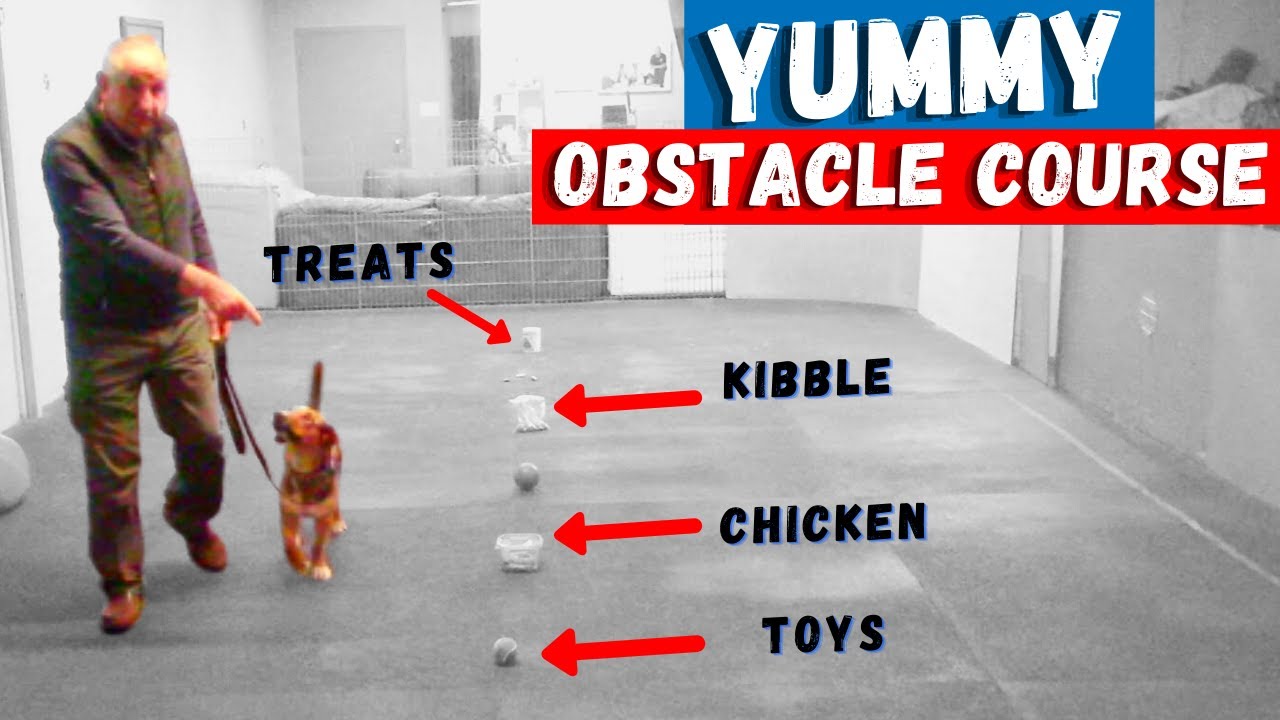
Image Source: i.ytimg.com
Grasping Why Dogs Eat Everything
Dogs explore the world with their mouths. This is natural dog behavior. Puppies especially use their mouths to learn about new things. For adult dogs, eating everything can point to a few different causes. Knowing the “why” helps us choose the right fix.
Dietary Needs and Hunger
Sometimes, a dog eats non-food items because they are genuinely hungry or missing nutrients. If your dog’s food isn’t enough, they might search for more calories elsewhere. This can lead to canine scavenging control becoming a big issue.
- Check the Food: Is your dog getting enough high-quality food? Talk to your vet about the best diet for your dog’s age and size.
- Feeding Schedule: Do you feed your dog on a strict schedule? Irregular meals can cause stress and overeating when food is available.
Boredom and Lack of Mental Stimulation
A bored dog finds their own fun. Often, this fun involves chewing or eating things they shouldn’t. Chewing relieves stress and boredom for dogs. If they don’t have good toys, shoes or remote controls become targets. This is where mental exercise is key to reducing destructive eating habits.
Medical Issues and Pica
In some cases, eating non-food items points to a health problem. This condition is called pica. A dog with pica eats things like dirt, plastic, or cloth consistently.
Managing canine pica behavior often needs a vet’s help.
- Nutrient Deficiencies: Sometimes, pica means the dog lacks certain minerals. A vet can test for this.
- Gastrointestinal Issues: Stomach problems can make a dog eat strange things to try and settle their gut.
- Anxiety: Severe anxiety or stress can trigger pica in some dogs.
Essential Steps for Canine Scavenging Control
To get your dog to stop eating everything, you need a two-part plan: management and training. Management means making sure they cannot access dangerous items. Training teaches them what they should do instead.
Environmental Management: Puppy Proofing Against Ingestion
The easiest way to stop a dog from eating something is to put it out of reach. This is crucial, especially when starting puppy proofing against ingestion. Treat your home like a baby proofing scenario.
Securing the Home Environment
Your home needs to be safe. If the dog cannot reach it, they cannot eat it.
- Keep Floors Clear: Do not leave socks, toys, mail, or small objects on the floor or low tables.
- Cabinet Locks: Use child-proof locks on lower cabinets where cleaning supplies or small trash cans are stored. This helps prevent dog from eating household items like sponges or trash.
- Trash Cans: Invest in heavy, secure trash cans with locking lids. Dogs love raiding garbage, which can lead to stop dog garbage gut issues from spoiled food or bones.
- Outdoor Patrol: When outside, always supervise your dog. Pick up dropped items or waste immediately.
Managing Outdoor Access
The yard can be a giant buffet for an indiscriminate eater.
- Remove Toxic Plants: Check your garden for poisonous plants. Remove them entirely.
- Secure Construction Materials: Keep tools, screws, nails, and plastic wrappings locked away.
- Compost Bins: Make sure compost piles are fully enclosed. Rotten food smells great to dogs but is very dangerous.
Using Crates and Gates for Safety
When you cannot watch your dog, use safe containment.
- Baby Gates: Use gates to block off rooms where hazards are present, like laundry rooms or kitchens when cooking.
- Crate Training: A properly introduced crate is a safe den. When you must leave the house or cannot supervise closely, the dog rests safely inside, unable to eat things they shouldn’t.
Training Techniques to Discourage Dog Indiscriminate Eating
Management buys you time. Training changes the dog’s habits permanently. We focus on teaching commands like “Leave It” and rewarding good choices. This is central to training dog to leave things alone.
Mastering the “Leave It” Command
“Leave It” is the most important command for stopping impulse eating. It tells the dog to ignore an item right now.
Step-by-Step “Leave It” Training
- Start Low Value: Hold a low-value treat (like plain kibble) in your closed fist. Let the dog sniff or lick your hand. Say “Leave It.”
- Reward Ignoring: The instant the dog pulls their nose away or stops trying to get your hand, say “Yes!” and immediately reward them with a better treat from your other hand.
- Move to the Floor (Low Value): Place the low-value treat on the floor, covering it with your hand. Say “Leave It.” When the dog backs off, reward them from your other hand.
- Increase Difficulty: Once the dog reliably ignores the covered treat, uncover it briefly. If they move toward it, cover it again. When they pause, reward them.
- Add Distractions: Move to higher value items—a favorite toy, then a piece of non-hazardous human food on the floor. Always reward heavily for compliance.
Practice this command everywhere—indoors, outdoors, and on walks. This helps discourage dog indiscriminate eating everywhere they go.
Teaching the “Drop It” Command
“Drop It” is for when the dog already has something in their mouth. This command requires trading up.
- The Trade: When your dog has a toy (not something dangerous yet), offer them a very high-value treat right near their nose.
- Say the Word: As they open their mouth to take the trade item, say “Drop It.”
- Reward Immediately: As the old item falls out, give the high-value treat.
- Practice: Repeat this until they immediately drop the item upon hearing the command, expecting the reward. Training dog to leave things alone becomes much easier when they trust you will always offer a good trade.
Addressing Picky Eating vs. Indiscriminate Eating
It is important to separate dogs who eat everything from those who only eat specific things, often only human food. If your issue is a dog picky eater solutions scenario, the approach is different.
Strategies for Dog Picky Eater Solutions
A dog refusing its food but eating socks or paper might be holding out for better food.
- Scheduled Meals: Put the food down for 15 minutes. If the dog doesn’t eat, pick it up until the next mealtime. No free feeding. This builds structure and shows them food is available only at certain times.
- Consistency: Do not give table scraps. Ever. If they know begging works sometimes, they will keep trying.
- Review Food Quality: Ensure the food is fresh and palatable for your dog. Some dogs just dislike the taste or texture of certain kibbles.
Dog Selective Eating Techniques
For dogs who only eat certain things (e.g., only chicken, not kibble), dog selective eating techniques focus on making their regular food more appealing, not just giving in to their demands.
| Tactic | Description | Goal |
|---|---|---|
| Food Toppers | Add small amounts of low-sodium broth or plain yogurt to the kibble. | Enhances palatability without providing a full meal replacement. |
| Food Rotation | Rotate between 2 or 3 high-quality brands (with vet approval). | Prevents the dog from getting bored with one formula. |
| Enrichment Feeding | Serve meals in puzzle toys or snuffle mats instead of bowls. | Makes eating a mentally stimulating activity. |
Enrichment: Providing Better Alternatives to Eating Everything
If the root cause is boredom, the solution is filling your dog’s time with acceptable activities. This fulfills their natural need to sniff, chew, and work for food.
Focus on Safe Foraging for Dogs
Dogs are natural foragers. We can redirect this instinct toward safe activities rather than eating clutter. This is called safe foraging for dogs.
- Kongs and Dispensing Toys: Stuff rubber toys with peanut butter (xylitol-free!), yogurt, or wet food and freeze them. This takes a long time to empty.
- Snuffle Mats: Hide dry treats deep within fabric strips. The dog has to sniff and paw to find the reward.
- Scatter Feeding: Instead of using a bowl, scatter their meal across a clean area of the floor or yard. They spend 10-15 minutes sniffing and picking up each piece. This mimics natural hunting behavior.
Appropriate Chewing Outlets
Ensure your dog always has access to something they are allowed to destroy.
- Variety of Textures: Offer hard chews, soft chew toys, and durable rubber toys.
- Rotate Toys: Keep only a few toys out at a time. Rotate them every few days so they seem “new.”
- Avoid Dangerous Chews: Never give cooked bones, rawhide (which can swell or splinter), or items that can break into sharp pieces. These can cause severe internal damage, leading to the “garbage gut” scenario.
Addressing Specific Threats: Trash and Foreign Objects
The desire to raid the trash or swallow random objects needs strict intervention because the consequences are often life-threatening (blockages, poisoning).
Stopping Dog Garbage Gut
A dog with stop dog garbage gut often has an upset stomach or worse from eating spoiled food, wrappers, or bones.
- High Security: As mentioned, use heavy, locking bins.
- Kitchen Management: Do not leave food scraps unattended while cooking or cleaning. Teach your dog to stay in a designated spot (like a mat) while you are prepping food.
- Immediate Cleanup: If you drop something on the floor, say “Leave It” or “Drop It” instantly.
Dealing with Inedible Items (Plastics, Socks, Rocks)
When dealing with items that pose a blockage risk, immediate correction and follow-up training are vital.
- The Trade: If you see the dog pick up a sock, immediately approach with the highest value treat possible. Trade the sock for the food. Never chase the dog, as this turns it into a fun game of keep-away.
- Supervision: If your dog has a history of eating non-food items, do not leave them unsupervised in areas where such items are accessible, even for a minute. This is core to effective prevent dog from eating household items plans.
Advanced Tips for Managing Canine Pica Behavior
If simple training isn’t working and you suspect pica, specialized help may be needed.
Working with Professionals
For complex cases, professional guidance is necessary.
- Veterinarian Consultation: Rule out all medical causes first. They may suggest supplements if a deficiency is found.
- Certified Trainer or Behaviorist: A professional can assess the environment and the dog’s specific anxiety triggers that might lead to pica. They can tailor management plans perfectly for your situation.
Increasing Mental Load
Some dogs require their brains to be worked as much as their bodies.
- Scent Work: Teaching your dog to find hidden treats using only their nose is excellent mental exercise. It uses their natural drive in a controlled way.
- Trick Training: Learning new tricks strengthens the bond and tires the brain. This offers a positive outlet instead of destructive searching.
Summary of Key Strategies
Stopping a dog from eating everything is about consistency across all areas of their life.
| Area of Focus | Action Step | Training Focus Keyword |
|---|---|---|
| Environment | Secure all small, attractive, or dangerous items. | Puppy proofing against ingestion |
| Feeding | Establish strict meal times; evaluate food quality. | Dog picky eater solutions |
| Behavior | Practice “Leave It” and “Drop It” daily with high rewards. | Training dog to leave things alone |
| Enrichment | Provide plenty of safe, engaging chew and foraging toys. | Safe foraging for dogs |
| Medical | Consult a vet if eating non-food items is constant. | Managing canine pica behavior |
By combining environmental control with positive reinforcement training, you can successfully manage and reduce indiscriminate eating. You are teaching your dog to make better choices when presented with tempting items. This effort will greatly reduce the risk of vet emergencies associated with eating dangerous things and help discourage dog indiscriminate eating for good.
Frequently Asked Questions (FAQ)
What is the fastest way to stop my dog from eating garbage?
The fastest, most effective way is immediate management. Secure all trash cans with locking lids and supervise your dog whenever they are near the kitchen or trash area. Couple this with intensive “Leave It” training away from the trash can first, rewarding them heavily for ignoring temptations.
Is it normal for a puppy to eat everything?
Yes, it is largely normal for puppies to explore the world with their mouths. However, owners must actively redirect this behavior and engage in puppy proofing against ingestion right away to prevent dangerous habits from forming as they mature.
My dog only eats grass. Should I worry?
Eating small amounts of grass occasionally is common and often harmless. However, if your dog suddenly gorges on grass or starts vomiting afterward, it could signal an upset stomach or a sign of managing canine pica behavior. Check if they are eating grass treated with pesticides, which is dangerous. Consult your vet if the behavior is obsessive.
How long does it take to train a dog to leave things alone?
Results vary based on the dog’s age, history, and the consistency of the owner. Basic “Leave It” training can show improvement within a few weeks, but mastery, especially around high-value items, might take several months of daily, consistent practice. True success in discourage dog indiscriminate eating comes from lifelong reinforcement.