
The right size dog crate for a Labrador Retriever is typically a 42-inch crate for an adult weighing 50–90 pounds, though this can vary based on the dog’s exact height and length. For puppies, you should start with a smaller crate that includes a divider, or buy a 42-inch crate with a divider to accommodate future growth, using the divider to make the space smaller now.
Choosing the correct crate for your Labrador is key to their comfort and training success. A crate that is too small causes stress. A crate that is too big might encourage bad habits, like potty accidents in one corner. This guide helps you pick the perfect fit, whether you have a tiny puppy or a full-grown champion.
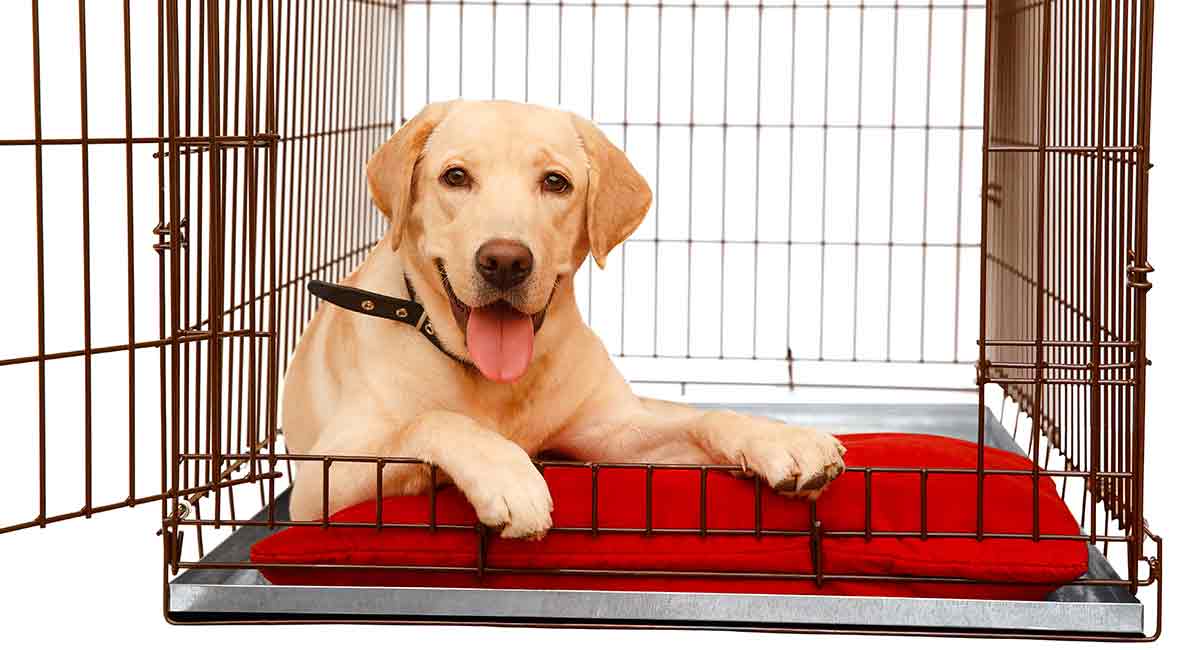
Image Source: www.thelabradorsite.com
Finding the Perfect Fit: Sizing Basics for Your Lab
Labs come in different sizes. Male Labs often grow larger than females. Knowing your dog’s current measurements is the first step in our Labrador crate size guide. This ensures the crate is a safe den, not a tiny prison.
Measuring Your Labrador Correctly
You need two main measurements: length and height. Use a soft tape measure for the best results.
Measuring Height
Measure from the floor up to the top of your Lab’s shoulders (the highest point when they are standing normally). This is often called the ‘withers’ height.
Measuring Length
Measure your Lab from the tip of their nose all the way to the base of their tail. Keep the tape measure straight while they stand still.
Once you have these numbers, add a few inches for comfort. We want your Lab to stand up, turn around, and lie down fully stretched out. This is vital for the optimal crate size for adult Lab.
Crate Dimensions Explained: What Sizes Work Best?
Dog crates are sized by length. Height and width are important, but the length measurement is what dictates the general size category.
Standard Crate Sizes and How They Relate to Labs
Here is a quick look at common crate sizes. We focus on length because that is how they are sold.
| Crate Size (Length) | Best For Dogs Up To (Lbs) | Suitable For Labs? | Key Consideration |
|---|---|---|---|
| 30 Inches | Up to 30 lbs | Small Lab Puppies Only | Too small for most Labs |
| 36 Inches | 30–50 lbs | Young Pups or Smaller Females | Temporary use; may outgrow fast |
| 42 Inches | 50–90 lbs | Most Adult Labs (Standard) | The most common recommended size |
| 48 Inches | 90–110 lbs | Very Large Males or Tall Labs | Good if your Lab is at the high end of the weight range |
Decoding the “Standard Labrador Crate Dimensions”
For a typical, healthy adult Labrador Retriever, the standard Labrador crate dimensions usually fall around 42 inches long, 28–30 inches wide, and 30–32 inches tall. This gives enough room for them to be comfortable during long rests or while traveling.
If you have a very large male Lab, perhaps pushing 85 or 90 pounds, moving up to a 48-inch crate provides extra wiggle room. This is especially true if you use a wire crate size for Labrador Retriever, as the bars take up slightly less interior space than solid plastic sides.
Sizing for Puppies: Planning for Growth
Choosing the right crate for a Lab puppy requires foresight. If you buy a crate that fits the puppy now, you will buy three or four crates before they are fully grown! This is where the crate divider comes in handy.
The Divider Solution
When you purchase a crate—whether wire crate size for Labrador Retriever or a plastic model—always aim for the size the dog will need as an adult (the 42-inch or 48-inch model). Then, use the included divider panel to section off a smaller area.
Why Use a Divider?
- Potty Training: Dogs naturally avoid soiling where they sleep. If the crate is too big, they will use the extra space as a bathroom. A smaller space forces them to hold it.
- Security: A den that is too large can feel overwhelming and unsafe to a small puppy. A smaller, cozy space feels more secure.
- Cost Savings: You buy one crate instead of several.
Best Crate Size for a Growing Lab
Always select the crate size based on the dog’s expected adult measurements. For a Lab puppy, this means aiming for the 42-inch size right away if you can use the divider effectively. Consult your breeder or vet for an estimate of your puppy’s adult size.
Material Matters: Wire vs. Plastic Crate Sizing
The material of the crate can subtly affect the interior space available.
Wire Crates
Wire crate size for Labrador Retriever models are great because they offer excellent ventilation and visibility. They usually come with a divider. Because the wire bars are thin, the actual internal space is very close to the stated dimensions. They are also collapsible, making them excellent for temporary housing or travel.
Plastic Crrate/Rotomolded Crates
Plastic dog crate sizing for Labs often means buying a hard-sided carrier, popular for air travel or strong chewers. Because the walls are thick, the interior space of a plastic crate might be slightly smaller than the external dimensions suggest. Always check the internal measurements if possible, especially if you are getting a very large dog. For a large dog needing a large dog crate dimensions for Labrador, sometimes a plastic crate designed for large breeds might be a little snugger inside than an equivalent metal wire crate.
Addressing Specific Weight Questions
People often size crates by weight, but dimensions (length and height) are more accurate. However, we can use weight as a helpful guide.
How Big a Crate for a 70lb Lab?
A 70lb Lab is right in the sweet spot for a 42-inch crate.
- Height Check: A typical 70lb Lab male might stand about 22–23 inches tall at the shoulder. A 42-inch crate usually stands 29–31 inches high, giving plenty of room to stand without hitting their head.
- Length Check: A 70lb Lab is usually around 30–33 inches long (nose to tail base). The 42-inch crate allows for this length plus the extra 6–10 inches needed for stretching out.
If your 70lb Lab is unusually tall or long (perhaps approaching the size of a small Chesapeake Bay Retriever), stepping up to a 48-inch crate ensures absolute maximum comfort.
Crate Sizing for Smaller/Female Labs
Smaller female Labs might be comfortable in a 36-inch crate if they are petite (under 55 lbs). However, buying the 42-inch crate with a divider is still the most future-proof option. If you know your female Lab will stay small, the 36-inch might work for permanent, non-travel housing.
Travel Crrate Sizing for Labrador Retrievers
If you plan on flying with your Lab or taking long road trips, you need a different type of crate designed for safety during transit.
Air Travel Requirements
A travel crate size for Labrador must meet strict airline specifications (IATA standards). These crates are usually heavy-duty plastic and feature metal bolts, not just snaps.
For air travel, the measurement rules are very specific:
- Length: The crate length must be the dog’s body length (nose to tail base) plus half the length of the front leg (elbow to the floor).
- Height: The crate height must be the dog’s standing height (top of head, not ears) plus six inches.
This often means that for air travel, even a standard 42-inch crate might need to be upgraded to a 48-inch model to meet the height requirement safely, especially for taller dogs. Always confirm the exact carrier specifications with your specific airline before purchasing.
Road Trip Crates
For car travel, comfort and security are the main goals. A wire crate secured in the back cargo area works well, provided it is the correct size (42 inches is usually ideal). Make sure the crate cannot slide during sudden stops.
Placement and Setup: Making the Crate a Den
The size is just one part of the equation. Where you put the crate and how you set it up makes it a true sanctuary for your Lab.
Location, Location, Location
Labs are social dogs. They want to be near the family.
- Avoid Isolation: Do not put the crate in a cold, dark basement or garage unless it is for short, supervised periods.
- Good Spots: Place the crate in a main living area, like the living room corner or the kitchen, where the family gathers.
- Drafts and Sun: Keep the crate away from direct drafts (air conditioning vents or exterior doors) and direct, hot sunlight.
Making It Cozy
A crate should feel welcoming, not like a jail cell.
- Bedding: Use durable, machine-washable bedding. For puppies or heavy chewers, start with just a thin, flat mat they cannot shred easily. Large, fluffy beds can take up too much precious space in a newly sized crate.
- Comfort Items: Include a safe chew toy (like a durable Kong) or a favorite, non-shredding blanket.
- The Door Trick: If using a wire crate, cover three sides with a crate cover or a heavy blanket. This simulates a dark, secure den, which is what Labs naturally seek out.
Troubleshooting Common Crate Sizing Issues
Sometimes even with careful measurement, things don’t feel quite right. Here’s how to troubleshoot.
My Lab Cries in the Crate
If your Lab cries, first check the size. Is it too small? Can they not stand up straight? If the size is correct, the issue is usually association or separation anxiety, not size. Make training sessions positive and short initially.
My Lab Goes Potty in the Crate
This is the number one sign the crate is too big, or the dog has been left in too long.
- Action: Immediately reduce the space using the divider panel until they are consistently holding it. If you cannot use a divider (e.g., using a fixed plastic carrier), you must supervise them more closely and take them out more frequently.
My Adult Lab Won’t Fit Fully Stretched
If your adult Lab is very tall or long and cannot stretch out fully in the 42-inch crate, it is time to upgrade to the 48-inch model. A dog that cannot fully stretch cannot relax properly, which defeats the purpose of crate training.
Best Crate Size for a Growing Lab Summary Chart
To simplify your decision, here is a final recap based on your Lab’s stage of life:
| Life Stage | Recommended Crate Size (Length) | Primary Consideration |
|---|---|---|
| 8–16 Weeks Old Puppy | 36-inch or 42-inch (with divider) | Must be small enough to prevent accidents. |
| 6 Months Old Juvenile | 42-inch (with divider adjusted) | Preparing for adult size; divider keeps space manageable. |
| Adult (Standard Weight 50–80 lbs) | 42 Inches | Optimal balance of security and space. |
| Adult (Large/Tall Male 80+ lbs) | 48 Inches | Ensures full stretch room for maximum comfort. |
Frequently Asked Questions (FAQ)
Can I use a soft-sided crate for my adult Labrador?
Soft-sided crates are fine for very temporary situations, like vet visits or quiet relaxation time in a secure room. However, most Labs can chew through soft sides quickly, especially if anxious. They are generally not recommended as primary housing or for rigorous crate training.
Should I buy the crate based on my Lab’s current weight or expected adult weight?
Always buy the crate based on the size your dog will be when fully grown. For puppies, use the divider to manage the size now. This saves money and prevents the need to reintroduce crate training later with a new, bigger box.
How do I know if my Lab is too tall for the crate height?
Your Lab should be able to stand up fully inside the crate without having to duck their head or crouch their back. If their head brushes the top when they stand naturally, the crate is too short.
Is a 36-inch crate ever big enough for a Labrador?
Only for a very small, petite female Lab that you are certain will never exceed 50 pounds, and only if they are fully grown. For the vast majority of Labs, a 36-inch crate is too confining for an adult.
What if my Lab loves to stretch out fully when sleeping?
If your Lab prefers to sprawl out completely on their side or back, you should err on the side of a larger crate, leaning towards the 48-inch size, even if they are on the lower end of the weight spectrum. Comfort when resting is crucial for good behavior.