
What is the best way to calm a dog for grooming? The best way to calm a dog for grooming is through gradual exposure, positive reinforcement, and creating a safe, low-stress environment. This process often involves systematic desensitize dog grooming experiences starting long before the actual appointment.
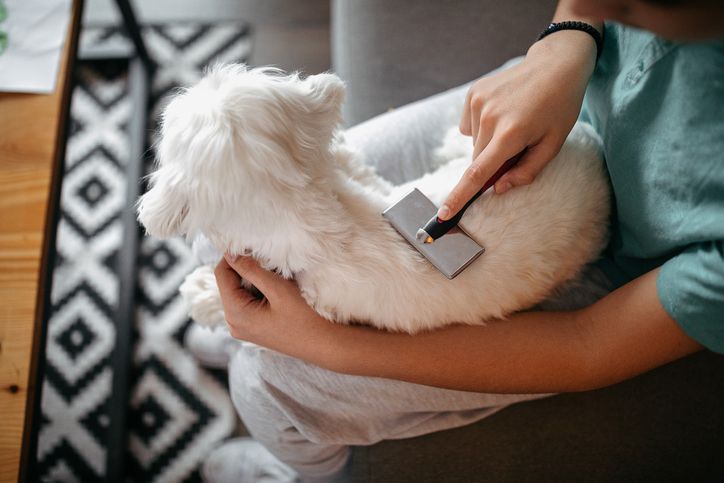
Image Source: cdn.whole-dog-journal.com
Tackling Grooming Anxiety: Making Sessions Calm and Quick
Many dogs fear grooming. This fear can come from bad past experiences or just being scared of new sounds and sensations. Dog anxiety grooming is a real issue that needs gentle handling. We want grooming to be a normal, even pleasant, part of your dog’s life. This guide offers clear steps to reduce fear and make grooming easier for everyone.
Spotting Signs of Grooming Stress
First, know when your dog is feeling stressed. Look for these clues:
- Yawning when not tired.
- Lip licking often.
- Tense body posture or freezing up.
- Whining or excessive panting.
- Trying to hide or run away.
- Tail tucked tightly.
If you see these signs, stop what you are doing. Pushing forward only makes the fear worse.
Building a Foundation: Pre-Grooming Preparation
Success starts long before the clippers come out. We need to teach the dog that grooming tools and touch are good things. This is where positive reinforcement grooming shines.
Early Introduction to Tools
Start small. Let your dog see the tools first.
- Place the brush or comb near their favorite toys.
- Let them sniff the electric dryer from far away.
- If they look at the tool calmly, give them a high-value treat.
Keep these short sessions brief, maybe just 30 seconds at first. Always end on a good note.
Introducing Touch and Handling
Dogs need to be okay with you touching sensitive areas. This is crucial for nail trims and ear cleaning.
Handling Paws and Ears
Gently touch your dog’s paws for just one second. Treat immediately. Slowly increase the time you hold the paw. Do the same for their ears and mouth area. If they pull away, go back a step.
Getting Used to Equipment Sounds
Loud sounds are often the biggest fear.
| Tool | Introduction Step 1 | Introduction Step 2 | Goal |
|---|---|---|---|
| Clippers | Place them far away, turned off. Reward calm behavior. | Turn them on briefly while far away. Treat fast. | Dog ignores the sight of the clippers. |
| Dryer | Keep it unplugged. Let them touch it. | Turn it on low, pointed away from the dog, very briefly. | Dog tolerates the noise nearby. |
| Scissors | Show them, let them sniff. | Gently touch their coat with the closed scissors. | Dog accepts the presence of sharp items. |
This slow method is key to desensitize dog grooming habits.
The Power of Positive Reinforcement Grooming
Every interaction related to grooming should lead to something great for the dog. Use treats they rarely get—cheese, boiled chicken, or peanut butter.
- Short Bursts: Keep practice sessions under two minutes initially.
- High-Value Rewards: Use the best treats only for grooming practice.
- Praise and Calm Voice: Use a soft, happy voice throughout.
Creating a Calm Grooming Space
The environment plays a big role in grooming stress relief dogs experience. A calm space equals a calmer dog.
Setting Up Your At-Home Dog Grooming Tips Area
If you groom at home, make the space comfortable.
- Quiet Location: Choose a room away from loud noises like traffic or washing machines.
- Non-Slip Surface: Use a rubber mat. Slipping makes dogs panic easily.
- Comfortable Height: If using a table, ensure it is stable and at a safe height for you to work without straining. Never leave your dog unattended on a table.
- Temperature Control: Make sure the room is not too hot or too cold.
Making Bath Time Peaceful: Soothing Dog Bath Techniques
The bath is often the worst part for many dogs. Focus on making the soothing dog bath experience as comfortable as possible.
- Water Temperature: Use lukewarm water—test it on your wrist first. Too hot or too cold is startling.
- Water Flow: Use a detachable sprayer on a low setting, or use cups to pour water gently. Avoid spraying the face directly.
- Licking Mat: Smear peanut butter or wet food on a lick mat attached to the wall or tub. This gives your dog something positive to focus on while you wash them.
- No Sudden Movements: Move slowly and deliberately when rinsing.
Gentle Dog Grooming Techniques for Sensitive Areas
When you start the actual grooming, focus on gentle dog grooming techniques. Work in sections and stop frequently.
Brushing and Dematting
Mats cause pain. If your dog is matted, do not try to brush them out forcefully.
- Assess the Mat: If the mat is close to the skin, it often needs to be shaved out by a professional.
- Use Safe Tools: Use a slicker brush gently first, then a metal comb.
- Work in Layers: Start at the ends of the hair, not near the skin. Hold the hair above the mat to keep tension off the skin while you tease the mat apart.
If the dog shows pain or extreme stress, stop brushing that area immediately.
Nail Trimming: Training Dog to Tolerate Clipping
Nail trims are very hard for anxious dogs. If your dog hates having their feet touched, this needs extra focus.
- The “Touch, Treat, Release” Game: Touch the paw, treat. Wait five seconds. Touch the paw, treat. Build up duration slowly.
- Introduce the Clipper/Grinder: Let them see and smell the tool. Treat.
- The Quick is Scary: If you accidentally hit the quick (the sensitive part inside the nail), your dog will remember the pain. Be precise and only take the very tip off at first.
- One Nail Rule: In early training, do just one nail, then play or stop. Next session, do two nails.
If you struggle, hire a groomer or vet tech for the first few sessions to show you how to keep the dog calm while you provide treats.
Managing Clippers and Noise
Learning training dog to tolerate clipping requires patience. Clippers vibrate and make noise, which can mimic a dog fight or a scary sound.
- Start by holding the clipper near the dog (off) and treating.
- Move to turning it on (away from the dog) and treating.
- Gently touch the dog’s back with the off clipper, then treat.
- When you use it on the coat, do one quick buzz, then treat immediately.
If your dog pulls away from the vibration, reduce the intensity of the vibration (if possible) or move further away.
Using Calming Aids for Dog Grooming
Sometimes, training alone is not enough, especially for severe cases of dog anxiety grooming. Calming aids for dog grooming can help bridge the gap while you work on behavior modification.
Nutritional and Pheromone Support
These aids work on the dog’s system to promote relaxation.
- Pheromone Diffusers/Collars: Products mimicking calming dog pheromones (like Adaptil) can be very helpful in the grooming room. Plug one in an hour before the session.
- L-Theanine or Tryptophan Supplements: These ingredients are found in many commercial calming chews. Discuss dosage with your veterinarian before starting any supplement routine.
- CBD Oil: Many owners find success with vet-approved CBD products administered about an hour before grooming to lower general anxiety levels.
Calming Wraps and Pressure Therapy
Some dogs respond well to gentle, constant pressure, similar to swaddling a baby.
- Thundershirts or Calming Wraps: These apply light pressure around the dog’s torso. They can help some dogs feel more secure. Put the wrap on 15 minutes before the grooming session starts.
Music and White Noise
A low volume of classical music or specific calming dog music can mask scary household sounds. This is a simple, effective tool for grooming stress relief dogs.
Handling the Professional Groomer Visit
If you take your dog to a professional, preparing them beforehand is still vital for helping nervous dog get groomed.
Communication is Key
When booking the appointment, be upfront about your dog’s fears.
- Tell them if the dog fears loud dryers or if they snap during nail trims.
- Ask if they offer ‘slow grooms’ or if you can stay during the initial part of the session.
- Request that the groomer avoid high-velocity dryers if possible, as the noise is often the main trigger.
Preparing for the Trip
The car ride itself can trigger anxiety. Practice short, pleasant car rides ending at a nice park or home, never just to the groomer every time.
When you arrive:
- Stay calm yourself. Your anxiety transfers to your dog.
- Walk your dog around calmly before bringing them inside.
- If the groomer works quickly and gently, praise your dog heavily when you pick them up.
Advanced Techniques for Deep-Seated Fear
For dogs with severe issues, more structured training is necessary. This might require professional help from a certified behavior consultant.
Shaping Behavior: The Step-by-Step Approach
Shaping involves rewarding small movements towards the desired behavior. This is the core of desensitize dog grooming.
- Goal: The dog sits quietly on the grooming table.
- Step 1: Dog walks near the table. Reward.
- Step 2: Dog puts one paw on the table. Reward heavily.
- Step 3: Dog stands on the table with all four paws for one second. Reward.
- Step 4: Dog stays on the table while you touch their back briefly. Reward.
If the dog fails a step, it means you moved too fast. Go back to the previous successful step and spend more time there before trying again.
The “Grooming Game”
This game turns scary actions into predictable, rewarding events.
- Fake Clipping: Rub a soft brush where the clippers will go. Treat. Then, briefly touch the cold clipper body (off) there. Treat.
- Fake Drying: Hold the hairdryer on low, far away, and blow air near the dog’s shoulder, not the face. Treat. Slowly move the air closer over many sessions.
This methodical practice significantly aids in training dog to tolerate clipping.
Maintaining Calmness: Long-Term Success
Calming a dog for grooming is not a one-time fix. It requires ongoing maintenance.
Regular Grooming Intervals
Irregular grooming leads to overgrown coats and painful mats. If you wait too long, the grooming session becomes more intense and scary. Keep appointments or at-home dog grooming tips sessions regular, ideally every 4 to 6 weeks for most breeds. Regular short sessions prevent major stress buildup.
Post-Grooming Wind Down
After a grooming session, especially a hard one, give your dog time to recover.
- Avoid demanding play right away.
- Offer a chew toy or puzzle feeder.
- Keep the rest of the day quiet and low-key. This reinforces that the stressful event is over and life is back to normal.
Summary of Key Strategies for Calming Your Dog
To summarize, successfully calming your dog relies on consistency, patience, and positive association.
- Start Early: Begin exposure to tools and handling as puppies.
- Reward Heavily: Use high-value treats for every successful step.
- Move Slowly: Never rush the process of desensitize dog grooming.
- Control the Environment: Ensure the bathing and grooming area is safe and quiet for grooming stress relief dogs.
- Use Aids Wisely: Consult your vet about appropriate calming aids for dog grooming.
By integrating positive reinforcement grooming into your routine and employing gentle dog grooming techniques, you can transform grooming from a battle into a manageable, much calmer experience for your beloved companion. Helping nervous dog get groomed is achievable with dedication to these methods.
Frequently Asked Questions (FAQ) About Calming Dogs for Grooming
How long does it take to desensitize my dog to grooming tools?
It varies widely based on the dog’s age and past trauma. For a young puppy with no bad experiences, it might take a few weeks of short daily practice. For an adult dog with severe anxiety, it could take several months of dedicated, slow work. Patience is crucial; rushing extends the timeline.
Can I use a muzzle to keep my dog safe during grooming if they bite out of fear?
If you believe your dog might bite due to fear, using a comfortable, properly fitted soft muzzle is a necessary safety measure for both you and the groomer. However, the muzzle should only be used after you have worked on behavioral modification. Never use a muzzle as a substitute for training or calming methods.
What is the difference between calming treats and sedatives prescribed by a vet?
Calming treats usually contain natural ingredients like L-Theanine or hemp/CBD (check local laws) designed to lower general anxiety. Vet-prescribed sedatives (like Trazodone or Gabapentin) are actual anti-anxiety medications used to take the edge off severe panic for necessary procedures, like major mat removal. Always consult your veterinarian before giving any medication or strong supplement before grooming.
My dog hates the high-velocity dryer. Are there alternatives?
Yes. High-velocity dryers are very loud and forceful, which frightens many dogs. If possible, ask your professional groomer to use a low-speed, low-heat stand dryer or towel-dry thoroughly before using a hand-held force dryer on the lowest setting aimed away from the dog. For at-home dog grooming tips, investing in a quieter, lower-powered dryer can be helpful.
Should I try to groom my severely anxious dog myself or go to a professional?
If your dog shows aggression (growling, snapping) or extreme panic, it is safer to seek a professional who specializes in handling nervous dogs. Look for groomers who advertise “fear-free” or “low-stress” handling. For minor anxiety, practicing gentle dog grooming techniques at home with positive reinforcement grooming can build confidence over time.