
Yes, you can absolutely make a dog crate much more comfortable for your pet. A dog crate should feel like a safe den, not a cage. By focusing on soft surfaces, the right temperature, and engaging items, you transform the crate experience.
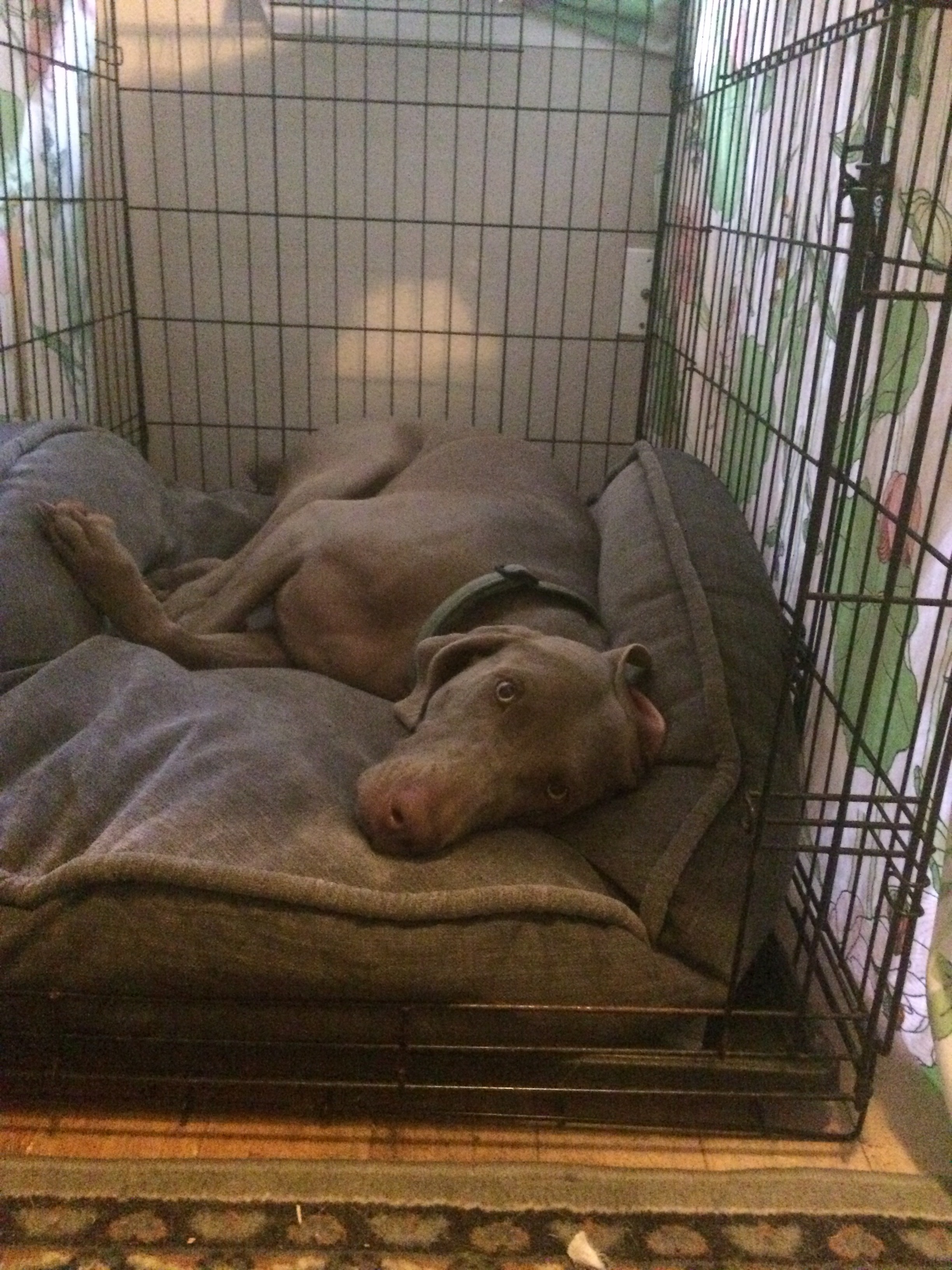
Image Source: images.squarespace-cdn.com
Creating a Safe Haven: Why Crate Comfort Matters
Many dog owners use crates for training, travel, or as a designated resting spot. If the crate feels hard, cold, or boring, your dog will likely resist using it. A comfortable crate setup encourages voluntary use. This makes house training easier. It also helps dogs feel secure when you are away. When a crate is a cozy space, your dog sees it as their private retreat.
The Basics of Crate Acceptance
Before adding luxury items, the crate must fit correctly. If the crate is too small, no amount of dog crate padding will fix the main issue.
Sizing Rules:
- The crate must be large enough for the dog to stand up fully.
- Your dog should be able to turn around easily.
- They must be able to lie down completely stretched out.
A crate that is too large can actually cause problems, especially during potty training. Dogs tend to use one end as a bed and the other as a bathroom. Aim for a snug, safe fit.
Choosing the Right Floor Surface
The floor of most crates is hard plastic or cold metal wire. This offers no cushion for joints. Selecting the right base layer is the first big step toward comfort.
Exploring Crate Bedding Options
There are many types of crate bedding options available today. What works best depends on your dog’s needs, habits, and the climate you live in.
Orthopedic and Memory Foam Mats
For older dogs or those with joint issues (like arthritis), orthopedic support is key. These best dog crate mats use thick foam to distribute weight evenly. This takes pressure off hips and elbows.
- Pros: Excellent joint support, very durable.
- Cons: Can be expensive, sometimes retain heat.
Fleece and Plush Bedding
These are soft and inviting. They are great for dogs who like to burrow or nest. Fleece is often used as a top layer for extra warmth.
- Pros: Very soft, machine washable, comforting feel.
- Cons: Can flatten quickly, may not offer enough support alone.
Washable Crate Liners for Dogs
Crate liners for dogs often cover the entire floor of the crate tray. They offer a barrier between the dog and the hard plastic base. These are excellent for easy cleaning.
| Liner Type | Best For | Maintenance |
|---|---|---|
| Flat, Quilted Liner | General use, mild climates | High wash frequency |
| Bolster Bed | Dogs needing head support | Lower wash frequency |
| Durable Canvas Liner | Heavy chewers (use with supervision) | Tougher cleaning |
Important Note on Bedding: If your dog chews and swallows fabric, thick, padded beds might be unsafe. Always supervise new bedding additions. If destruction occurs, switch to a tough rubber mat or simply use a thin towel until chewing stops.
Making Wire Crate Cozy
Wire crates are excellent for ventilation and visibility but feel stark. Making wire crate cozy involves covering the structure and softening the floor.
Covering the Crate Walls
Covering the sides creates a den-like atmosphere. Dogs are naturally den animals. Darkness and enclosure promote rest and reduce anxiety.
Dog crate covers are specifically designed for this purpose. They often have roll-up panels so you can adjust light and airflow.
Benefits of Crate Covers:
- Reduces visual stimulation: Helps anxious dogs settle down.
- Provides privacy: Mimics a secure den space.
- Helps with temperature: Acts as a light barrier against drafts or sun.
When selecting a cover, ensure it does not completely block airflow. We will discuss crate ventilation for dogs next. Never use a heavy blanket that traps too much heat, especially in warm weather.
Managing Drafts and Light
If your crate is near a door, window, or air vent, drafts can make your dog cold.
- Place the crate away from direct airflow sources.
- Use a thick mat (like rubber or heavy canvas) on the floor under the main bedding layer if you suspect floor drafts.
Temperature Control for Optimal Comfort
A dog’s comfort level is deeply tied to the surrounding temperature. What feels nice for you might be too hot or too cold for your dog in their crate. Proper crate temperature control is vital.
Keeping Cool in Warm Weather
Dogs primarily cool down through panting. If the crate traps heat, they can overheat quickly.
- Airflow is King: Never place a crate in direct sunlight. Ensure your crate ventilation for dogs is maximized. Covers should be retracted or removed entirely during high heat.
- Cooling Mats: Consider specialized gel cooling mats as part of your dog crate padding. These mats draw heat away from the dog’s body.
- Frozen Water Bottles: Wrap a frozen bottle in a towel and place it near your dog (not directly under them where it could soak bedding). This provides a localized cool spot.
Staying Warm in Cold Weather
In winter, hard plastic or metal crates can wick away body heat rapidly.
- Insulating Layers: Use a thick, insulated mat as the base layer. Layer a soft fleece blanket on top.
- Draft Protection: Use a crate cover, especially on three sides, to block cold air movement. Leave the front partially open for easy viewing access.
- Body Heat Sharing: If you have a very small dog, sometimes placing the crate near your own bed (but not touching) helps them feel secure and benefit from ambient room warmth.
Engaging the Senses: Crate Enrichment Ideas
A comfortable crate isn’t just about soft things; it’s also about mental comfort. Boredom leads to stress, which makes any space uncomfortable. Implementing crate enrichment ideas keeps the crate a positive place to be.
Toys and Chews
The right toys should be safe, durable, and long-lasting enough to occupy your dog while they rest.
- Puzzle Feeders: Use KONGs stuffed with frozen yogurt or peanut butter. Stuffing and freezing them makes the reward last much longer. This occupies the dog’s mind during quiet time.
- Durable Chew Toys: Provide high-value chews (like dental sticks or durable rubber toys) only when they are in the crate. This creates a positive association: “Crate time means I get my special chew.” Crucially, remove these toys when you are not present to supervise.
Comfort Scents and Sounds
Dogs rely heavily on scent. Familiar smells are calming.
- Scent Soaking: Place an old t-shirt you have recently worn inside the crate. Your scent is incredibly reassuring to a dog.
- White Noise: Some dogs find consistent, low background noise soothing. A fan (for air circulation and sound) or a white noise machine can mask sudden outside noises (traffic, doorbells) that might startle them awake. Classical music made for dogs is also an option.
Addressing Specific Crate Types
The approach to comfort changes slightly depending on the crate material.
Soft-Sided Crates
These are already soft, but they can trap heat and moisture easily.
- Ventilation: Ensure the mesh panels are not blocked by walls or furniture. Good crate ventilation for dogs is often harder to achieve in soft crates.
- Cleaning: They are often harder to truly sanitize than plastic or metal crates. Use thin, easily removable liners that you can wash frequently. Avoid heavy padding that might stay damp.
Plastic (Airline Style) Crates
These offer excellent protection but can feel like a plastic box.
- Floor Padding: They usually require more substantial dog crate padding because the floor is rigid plastic. A thick rubber mat underneath a plush bed works well here.
- Light Control: Since they are often opaque, they naturally offer good darkness. Use this to your advantage by keeping them slightly covered on one side if the room light is too bright.
Maintenance: Keeping the Cozy Spot Clean
A comfortable space must also be a clean space. Dirty bedding harbors odors, moisture, and parasites, instantly making the crate unpleasant.
Washing Schedule for Bedding
This schedule ensures your crate bedding options remain fresh.
| Item | Washing Frequency | Why? |
|---|---|---|
| Fleece Blankets/Towels | Every 3-5 days | Absorbs accidents and drool quickly. |
| Removable Crate Mats | Every 1-2 weeks | Reduces trapped hair and dander. |
| Orthopedic Beds | Monthly (or as needed) | These dry slower; over-washing shortens foam life. |
When washing, use unscented or dog-safe detergent. Strong perfumes can be irritating to a dog’s sensitive nose.
Checking for Wear and Tear
Regularly inspect all comfort items:
- Mats and Padding: Look for lumps, tears, or compressed areas. If the stuffing is coming out, discard the item immediately to prevent ingestion.
- Chew Toys: Check for cracks or sharp edges that could injure the dog’s mouth.
- Crate Structure: Ensure there are no sharp edges on the wire or latch mechanisms that could snag fur or cause injury.
Troubleshooting Comfort Issues
Sometimes, even with the best setup, a dog still seems unhappy in their crate. Rule out these common comfort blockers.
The Dog Refuses to Lie Down
If your dog paces or stands constantly, they might be too hot, too cold, or the bedding isn’t right.
- Test the Floor: Remove all bedding. If the dog lies directly on the hard floor comfortably, the issue is likely the material or thickness of the bed. Try a thin, flat cooling mat instead of a fluffy bed.
- Check Temperature: Is the room too warm? Try adjusting the crate temperature control by increasing crate ventilation for dogs.
The Dog Always Tries to Dig or Nest
This often means the dog is seeking security or trying to get to the “bottom” layer for perceived coolness or firmness.
- Provide Nesting Material: Offer a large, thin fleece blanket that they can push around to create a soft “nest.” This satisfies the urge without providing huge amounts of bulky padding that could be a hazard.
The Crate Smells
If the crate smells even after cleaning, the odor might be soaked deep into the plastic tray or metal frame seams.
- Deep Clean: Use an enzymatic cleaner designed to break down pet odors, not just mask them. Let the crate air out completely afterward. Adding fresh, clean dog crate padding will make a huge difference in how inviting the space feels.
Advanced Steps for Ultimate Crate Comfort
Once the basics are covered, you can look at finer details to perfect the environment.
Elevating the Sleeping Surface
For dogs prone to swelling or those living in humid areas, elevating the sleeping surface can improve airflow all around them, not just underneath.
- Elevated Cots: These are metal or plastic frames with a tightly stretched fabric (like canvas or mesh) suspended off the floor. They provide excellent air circulation underneath, aiding in crate temperature control. You can place a thin mat on top of the cot for added softness.
Creating Visual Boundaries
While a full cover is great for nighttime, sometimes a partial boundary works better during the day.
- Strategic Placement: Place the crate so that two sides rest against solid walls (if possible, in the corner of a room). This naturally restricts visual input, providing security without needing a cover. This is especially effective when making wire crate cozy.
Using Sound Machines for Anxiety
If your dog suffers from separation anxiety, comfort isn’t just about softness; it’s about mental peace.
- Calming Frequencies: Some sound machines specifically play frequencies proven to calm canine nervous systems. Pairing this with a favorite long-lasting chew (a form of crate enrichment ideas) can create a highly positive crate experience.
Summary Checklist for a Comfortable Crate
Making a crate comfortable is about layering different elements tailored to your specific dog. Use this checklist to ensure you have covered all bases for a comfortable dog crate setup.
Foundation & Floor:
* Is the crate the correct size?
* Is there appropriate dog crate padding for their size/age?
* Are you using the best dog crate mats for your climate?
Environment & Security:
* Is the crate draft-free and not in direct sunlight?
* Are crate ventilation for dogs adequate?
* Is a dog crate cover used strategically for security?
Engagement & Cleanliness:
* Are safe crate enrichment ideas in place (stuffed KONGs)?
* Are crate liners for dogs changed and washed frequently?
* Is your crate temperature control optimized for the season?
By paying close attention to these details, you move beyond simply housing your dog in a crate and start providing them with a true, comfortable den.
Frequently Asked Questions (FAQ)
Q: Can I use my dog’s regular bed inside the crate?
A: Yes, if the bed fits well without taking up too much space and if your dog does not chew or ingest the filling. For most dogs, if the bed makes the crate too tight, switch to a flat mat or thin blanket so they still have room to turn around comfortably.
Q: Is it safe to cover a crate that is in a warm room?
A: No. Covering a crate traps heat. If you live in a warm climate or the room is warm, prioritize maximum crate ventilation for dogs by leaving the crate uncovered or using only a very light, breathable mesh cover on one side. Focus on cooling mats instead of heavy covers.
Q: What is the easiest way to make a wire crate feel less cold?
A: The best first step for making wire crate cozy and warm is to use a rubber or plastic tray liner on the bottom wire, followed by a thick fleece or memory foam mat on top. The barrier between the wire and the dog prevents direct cold transfer.
Q: How often should I wash my crate bedding options?
A: Ideally, wash fleece blankets or towels used as liners every 3 to 5 days. Thicker, more substantial dog crate padding can usually be washed weekly or bi-weekly, depending on how much your dog sleeps or drools in it. Frequent washing maintains hygiene and comfort.