
If you see your dog suddenly walking funny or favoring a leg, you probably wonder if they sprained it. A dog sprains a leg when the ligaments—the tough bands that connect bones—stretch too far or tear. This often happens during rough play or jumping. You need to watch for clear dog leg injury signs to figure out what is wrong.
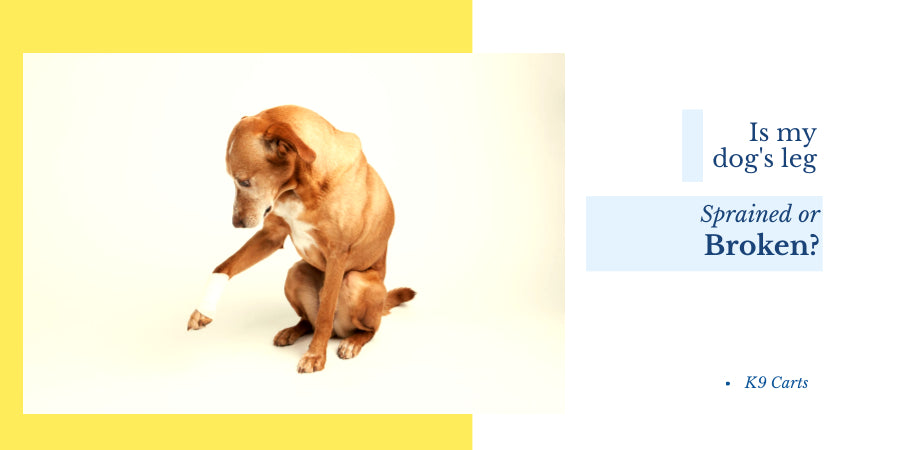
Image Source: k9carts.com
Spotting the Signs of a Sprain in Your Dog
When a dog hurts its leg, the signs can be obvious or very subtle. Knowing what to look for helps you decide the next step. Dog favoring a leg is usually the first big clue you will notice.
Visible Clues of Trouble
Look closely at how your dog moves and where they spend their time.
- Limping or Lameness: This is the most common sign. Your dog might put very little weight on the leg. They may also hold the leg up slightly off the ground. This sign falls under general canine limping causes.
- Swelling: Check the injured area. If you see dog paw swelling symptoms or swelling higher up the leg, it points to injury or inflammation. Be gentle when touching the area.
- Pain Response: Does your dog cry, whine, or snap when you touch the sore spot? This shows clear pain. Some dogs hide pain well, but a yelp is a definite alarm.
- Reluctance to Move: A dog with a sprain often resists activities they normally love. They might not want to jump on the couch or go for a long walk.
Changes in Behavior
Injury changes how a dog acts overall.
- Restlessness: They might pace a lot. They can’t get comfortable because moving hurts.
- Lethargy: Your dog may sleep more than usual or have low energy.
- Difficulty with Daily Tasks: Getting up from a lying position can be hard. Going up or down stairs becomes a major challenge.
Causes of Leg Injuries in Dogs
Sprains happen when the leg twists or twists too hard. Many things can cause this sudden stretch or tear.
Common Scenarios Leading to Sprains
Think about what your dog was doing right before you saw the limp.
- Rough Play: Wrestling too hard with another dog can lead to a wrong step.
- Jumping and Landing: Misjudging a jump off furniture or a high surface often causes strains or sprains, especially in the rear legs.
- Slipping: Sliding on slick floors, like hardwood or ice, can violently twist a joint.
- Overexertion: Pushing too hard during exercise without proper warm-up can strain muscles and ligaments.
Distinguishing a Sprain from More Serious Issues
The biggest worry for owners is often recognizing dog sprain vs break. A sprain involves soft tissue damage (ligaments). A break is a fracture of the bone itself. Both cause pain, but treatment differs greatly.
Comparing Sprains and Fractures
| Feature | Mild Sprain | Severe Sprain | Fracture (Break) |
|---|---|---|---|
| Weight Bearing | Partial or slight hesitation | Little to no weight bearing | Often unable to bear any weight |
| Appearance | Mild swelling, slight tenderness | Noticeable swelling, maybe bruising | Obvious deformity, bone may show |
| Sound | Usually quiet unless touched | Whining if the area is bumped | May have heard a snap or crack |
| Immediate Action | Rest and monitoring | Immediate vet visit | Emergency vet visit |
If your dog shows signs of extreme pain or the leg looks bent wrong, treat it as a break until a vet says otherwise.
When to Worry About Dog’s Limp
Not all limps need an emergency room trip right away. Sometimes, rest solves the problem. But knowing when to worry about dog’s limp is vital for your pet’s safety.
Immediate Vet Visit Needed If:
- The leg hangs limply, showing no support at all.
- You see an open wound with bone showing (a compound fracture).
- There is severe, rapid swelling or excessive bleeding.
- Your dog seems to be in agonizing pain and cannot be soothed.
- The paw is cold to the touch, which might mean blood flow is blocked.
Monitor at Home If:
- The dog is using the leg a little bit (even just tapping it on the floor).
- The limp is mild (Grade 1 or 2).
- There is only slight swelling that doesn’t get worse after a few hours.
If the limp does not improve after 24-48 hours of rest, call your vet.
First Aid and Initial Care for Suspected Sprains
If you suspect a minor sprain, your first goal is to limit further damage. This is crucial before deciding on dog leg pain relief.
R.I.C.E. Principles Adapted for Dogs
While humans use R.I.C.E. (Rest, Ice, Compression, Elevation), applying this to a dog needs care.
- Rest: Keep your dog confined. Use a crate or a small, safe room. No running, jumping, or playing. This is the most important step for dog activities after sprain. Keep activity very low.
- Ice (Cold Therapy): For the first 48 hours, apply a cold pack wrapped in a thin towel to the swollen area for 10 to 15 minutes at a time. Do this several times a day. Cold helps reduce swelling and numbs the area slightly.
- Compression: Do not try to wrap the leg tightly yourself unless you are trained. Improper bandaging can cut off circulation. Leave this to your veterinarian.
- Elevation: This is hard to manage with a dog. Simply keeping your dog calm and preventing them from using stairs helps keep the limb slightly elevated through rest.
Seeking Professional Help: Veterinary Care for Dog Leg Injury
A veterinarian is essential for a correct diagnosis. They can confirm if it is a simple sprain or something worse. This process is part of good veterinary care for dog leg injury.
Diagnostic Tools Vets Use
Your vet needs more than just a look to be sure.
- Physical Exam: The vet will carefully manipulate the leg to check joint stability and locate the exact source of pain.
- X-rays (Radiographs): These are critical. X-rays show bones clearly. They help rule out fractures or dislocations, even if the initial exam suggests a soft tissue injury.
- Sedation: For a thorough exam of a painful dog, sedation may be needed so the vet can move the joints safely without causing the dog distress or further injury.
Treatment Options Based on Severity
Treatment depends entirely on how bad the ligament damage is.
Mild Sprains (Strains)
These often heal with conservative treatment:
- Strict rest for 1 to 3 weeks.
- Short, slow leash walks only for potty breaks.
- Over-the-counter pain relievers for humans are toxic to dogs. Only use vet-prescribed dog leg pain relief medication, usually NSAIDs made for dogs.
Moderate to Severe Sprains
If the ligament is partially torn or significantly unstable:
- Prescription Medication: Stronger anti-inflammatories and pain relievers.
- Support Bandaging: A temporary supportive wrap may be applied.
- Physical Therapy: Water therapy or controlled exercise might be recommended once the initial pain subsides.
- Surgery: If major ligaments are completely torn (like the ACL/CCL in the knee), surgery might be the only way to restore full function.
Managing the Recovery Period
Healing takes time, especially for connective tissues like ligaments. Patience is key when managing dog walking with limp during recovery.
Home Care After Vet Visit
Follow the vet’s instructions exactly. Stopping treatment early often leads to re-injury.
- Leash Control Always: Even if your dog seems better, keep them on a short leash for all outdoor trips until cleared by the vet. Running around can undo weeks of healing.
- Medication Schedule: Give all medications exactly when prescribed. Do not stop pain meds just because the dog seems less sore. The medication is often reducing deep inflammation.
- Monitoring the Site: Keep watching the leg for any new swelling or signs of infection if there was a wound.
Recognizing Slow Healing vs. Setback
Sometimes, improvement plateaus.
- If your dog seems to get worse after a week of rest, call the vet.
- If the limp returns suddenly after you thought they were fine, they likely re-injured the area due to too much activity.
Comprehending Long-Term Effects
Most dogs recover fully from minor sprains. However, severe sprains can sometimes lead to long-term joint issues, particularly arthritis, because the joint mechanics were temporarily altered.
Factors Affecting Full Recovery
- Age: Older dogs heal more slowly than puppies.
- Severity of Injury: A simple stretch heals faster than a full tear.
- Adherence to Rest: Dogs who are allowed to play too soon often struggle the most.
If your dog has had a significant leg injury, schedule check-ups to monitor joint health long-term. This helps manage potential chronic issues proactively.
FAQ Section
Can I walk my dog if they are limping?
Only for very short, slow trips outside to potty. If the dog is limping significantly (dog walking with limp), you should restrict all walks to prevent making the sprain worse. Use a harness or carrier to move them if needed.
How long does dog leg pain relief take to work after starting medication?
For prescription anti-inflammatories, you might see a noticeable difference in comfort within 24 to 48 hours. However, the actual healing of the ligament takes weeks. Never assume the pain is gone just because the medication helps.
How can I tell the difference between mild swelling and severe swelling (dog paw swelling symptoms)?
Mild swelling is small and localized, maybe slightly puffy. Severe swelling is large, firm, hot to the touch, and makes the joint look abnormally large. If you can gently press the swelling and it leaves a dent that slowly fills back up (pitting edema), that suggests fluid buildup needing urgent attention.
What are some safe dog activities after sprain during the recovery phase?
Activities must be zero impact. Gentle leash walking on flat ground (once cleared by the vet), gentle passive range-of-motion exercises suggested by a physical therapist, and mental stimulation like puzzle toys kept the dog busy while resting. Absolutely no running, fetching, or stairs.
If my dog seems fine now, should I still see the vet? (Recognizing dog sprain vs break)
Yes, it is wise. Even if the dog walks almost normally, an underlying instability from a partially torn ligament can lead to bigger problems later. A vet check confirms stability and rules out fractures, offering peace of mind and correct guidance for recovery.