
When a dog won’t go for a walk, it means something is making them feel unsafe, uncomfortable, or unwilling to move forward. This behavior is a clear signal from your dog that needs attention.
It is upsetting when your dog resists going outside, stops during walks dog, or acts scared when you grab the leash. Many owners feel confused or even frustrated when their beloved pet suddenly develops an aversion to something that used to be fun. The good news is that there are clear reasons dog refuses walk. We will explore these reasons deeply and offer simple steps to help changing dog’s mind about walks.
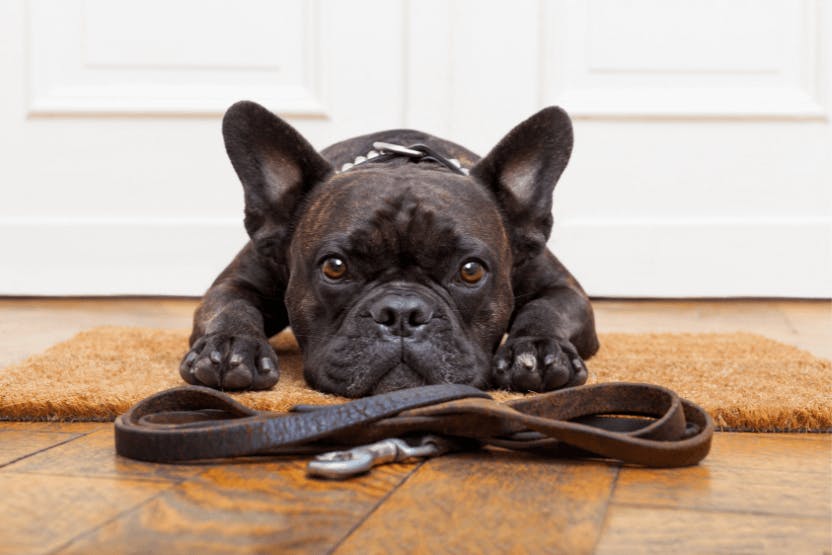
Image Source: images.wagwalkingweb.com
Decoding the Resistance: Common Reasons Dog Refuses Walk
A dog’s refusal to walk is rarely about being stubborn. It usually stems from underlying physical, emotional, or environmental factors. Grasping these core issues is the first step to fixing the problem.
Physical Discomfort and Pain
One of the most common yet overlooked issues is physical pain. If a walk hurts, your dog will naturally avoid it.
Joint and Muscle Aches
Older dogs often develop arthritis. Walking can become very painful for them. Even younger dogs can have minor sprains or injuries that you might not notice right away.
- Stiffness: Does your dog move slowly when first leaving the house?
- Limping: Look closely for any uneven steps.
- Reluctance to Jump: Does your dog hesitate before getting into the car or onto furniture?
If you suspect pain, a visit to your veterinarian is essential. They can check for hidden issues that make walking tough.
Paw Sensitivity
Sometimes the issue is not the body, but the feet. Your dog afraid of pavement might have a good reason.
- Hot Surfaces: Asphalt or concrete in summer can burn paw pads easily.
- Rough or Icy Ground: Salt or sharp debris can cause cuts or irritation.
- Nail Issues: Overly long or ingrown nails can make every step painful.
A simple check of the paw pads can rule out many surface-related problems. If the pavement is too hot, try walking early in the morning or late in the evening.
Fear and Anxiety Triggers
Anxiety on walks dog experiences is a major cause for walking avoidance. The outside world can be scary for a sensitive animal.
Novelty and Overwhelm
The environment changes constantly. New sights, loud noises, and strange smells can overload your dog’s senses. This leads to them becoming a scared dog pulling on leash or just freezing entirely.
- Loud Trucks or Construction: Sudden, unexpected noises are terrifying.
- Strange People or Dogs: If a past encounter was bad, they might fear all strangers.
- Unfamiliar Areas: Dogs thrive on routine. New routes can cause stress.
Past Negative Experiences
If your dog had a bad experience associated with walking, they will naturally resist future outings. This could involve being frightened by another dog, yanked too hard on the leash, or trapped in a scary situation. These memories stick with dogs.
Equipment Issues: When the Leash Causes Stress
If your dog hates leash, the equipment itself might be the problem. The gear meant to keep them safe can sometimes cause distress.
Uncomfortable Harnesses or Collars
A poorly fitted collar can choke or press uncomfortably on the throat when the dog pulls. Similarly, a harness that rubs under the armpits or digs into the chest will cause pain.
Table 1: Checking Your Dog’s Gear
| Gear Item | Check For | Dog Reaction Sign |
|---|---|---|
| Collar | Too tight? Rubbing neck skin? | Coughing, pulling at neck, resisting leash clipping. |
| Harness | Straps rubbing armpits? Too tight across the chest? | Shifting weight away from the gear, backing out of it. |
| Leash | Too heavy or too short? | Tensing up immediately when the leash appears. |
Leash Handling Issues
How you hold the leash matters. Tight, jerky tension signals stress to your dog. If you constantly pull or yank, your dog learns that the walk is a battle, not a pleasure. This is key to leash reactivity solutions—start by relaxing your grip.
Environmental Aversions
Sometimes the issue is simply the outside setting itself. Dog resists going outside because the immediate environment is off-putting.
Pavement Issues (Revisited)
As noted, heat is a problem. But texture also matters. Some dogs dislike slippery surfaces like smooth tile or shiny metal bridges. They lose their footing and feel insecure.
High Traffic Areas
Dogs often prefer quiet, predictable routes. Walking them past a busy schoolyard or a cluster of barking dogs every day can make them dread the journey. They anticipate the stressor.
Deciphering the “Stopping During Walks Dog” Behavior
When your dog stops dead in their tracks, it’s a moment of clear communication. They are saying, “I am not moving right now.” We need to figure out why they have chosen that spot to halt.
The Freeze Response to Fear
For a fearful dog, freezing is a common defense mechanism. It is better than fighting (running away) when escape is not possible. If your dog is stopping during walks dog and looking around nervously, they have spotted or heard something that frightens them.
- Identify the Trigger: Watch exactly where your dog looks just before they stop. Is it a trash can? A specific mailbox? Another person?
- Avoidance: If you can, create distance from the trigger gently. Do not drag the dog past it.
Learned Helplessness
If a dog has learned that pulling or resisting yields no result, or only results in tension, they might stop walking altogether. They give up trying to move forward. This often happens when the owner forces the pace despite the dog’s clear signals of distress.
Low Energy or Health Issues
An older or sick dog might stop simply because they are exhausted. If the walk is too long or too fast for their current physical condition, they need a break. Pushing them will only worsen their reluctance for the next outing.
Practical Steps for Changing Dog’s Mind About Walks
Rebuilding a positive association with walks takes patience and consistency. The goal is to make the leash and the outdoors exciting again, not terrifying.
Phase 1: Reintroducing Equipment Positively
Before you even step out the door, you need to fix the relationship with the leash and harness.
Leash Association Games
Do not just pick up the leash and go. Make the leash a predictor of good things.
- Sight Association: Leave the leash and harness near their favorite toy or food bowl for a few days. Let the dog sniff them without pressure.
- Quick Touches: Touch the harness or collar briefly, then immediately give a high-value treat (like a small piece of chicken). Repeat this five times, then stop.
- The “One-Second” Wear: Put the harness on, give a jackpot of treats (many in a row), and immediately take it off. Keep the time they wear it very short at first. Slowly increase this time while keeping the treats flowing.
Making the Leash Fun
If your dog hates leash, try changing what you use. If you use a standard nylon leash, try a different material or length. Use a long line (a longer, lightweight lead) in a secure area to give them more freedom to explore without feeling restricted by a short lead.
Phase 2: Changing The Walk Routine
Once the gear is neutral or positive, focus on the location and duration.
Short, Successful Trips Only
Forget the usual long loop for now. The first few successful outings should be incredibly short—maybe just to the front yard and back. Success builds confidence.
- Goal: Go outside, sniff one interesting spot for 30 seconds, and return inside for a reward.
- End on a High Note: Always bring your dog back inside before they show any signs of stopping or fear. You want them thinking, “That was fun, I wish we stayed out longer!”
Changing Up the Scenery Gently
If your dog shows anxiety on walks dog perceives as overwhelming, you need to manage exposure.
- Find a “Safe Zone”: Locate a very quiet park, side street, or even your own driveway that has low foot traffic. Start all training there.
- Controlled Distance: If your dog reacts strongly to other dogs 50 feet away, start training at 60 feet away. As long as your dog notices the trigger but remains calm, you are in a good spot. If they start pulling hard or shaking, you are too close.
Phase 3: Addressing Specific Fear Triggers
If you are dealing with a scared dog pulling on leash because of specific things, employ counter-conditioning.
Counter-Conditioning for Triggers
Counter-conditioning changes the dog’s emotional response from “scary thing = bad” to “scary thing = amazing treats.”
- Spot the Threshold: Determine the distance where your dog can see the trigger (e.g., another person) but is still relaxed enough to take food.
- Treat Delivery: The moment the trigger appears, start feeding your dog amazing treats non-stop until the trigger passes.
- Stop When Gone: The second the trigger disappears, stop the treats. The dog learns that the presence of the trigger causes the food to appear.
This technique is vital for overcoming leash reactivity solutions related to specific objects or beings.
Dealing with the Fear of Pavement
If you suspect your dog afraid of pavement due to temperature or texture:
- Paw Protection: Invest in good quality dog booties, especially during extreme weather. Introduce these slowly, just like the harness.
- Surface Swapping: Walk on grass, dirt paths, or soft trails until the dog is more confident. Alternate between soft and hard surfaces gently.
Comprehending Leash Reactivity vs. Fear-Based Stopping
It is vital to know the difference between a dog refusing to walk due to fear, and a dog that pulls or lunges out of frustration or learned behavior (reactivity).
Reactivity on Leash
Reactivity often looks like aggression—barking, lunging, or growling. However, this is usually fueled by frustration or fear coupled with the inability to retreat because of the leash. A reactive dog may be trying to make a scary thing go away.
Leash reactivity solutions focus on management and systematic desensitization. You must prevent practice of the reactive behavior. If they lunge and bark, and the trigger moves away, they feel rewarded for the lunge. Keep the distance wide initially.
Fear-Based Resistance
A dog that resists going outside or stops dead is often shut down, hiding behind you, or trying to turn back home. They are not trying to engage the trigger; they are trying to avoid the whole situation.
If your dog is frozen, do not physically pull them. This confirms their fear that the outside is dangerous and that you are forcing them into it. Instead, use quiet encouragement or simply sit down with them until they relax slightly, then slowly move back towards safety (home).
Adjusting Your Mindset: The Owner’s Role
Your energy directly impacts your dog’s willingness to walk. If you are tense about getting the walk done, your dog will feel that tension.
Forgetting the Destination
When your dog won’t go for walk, throw out the agenda. A walk is no longer about exercise miles; it is about bonding and building positive associations.
If you usually walk for 30 minutes, aim for five minutes of happy sniffing. If you usually walk around the block, walk to the mailbox and back. Lowering your expectation drastically reduces your stress and the dog’s pressure.
Positive Reinforcement is Key
Forceful training methods increase fear. Positive reinforcement builds trust.
Use only the best rewards for walking success: cheese, boiled chicken, hot dogs, or a favorite squeaky toy only used on walks. The reward must be better than the fear or distraction.
Table 2: Reward Comparison for Walks
| Situation | Low-Value Reward (Kibble) | High-Value Reward (Chicken) |
|---|---|---|
| Passing a known trigger calmly | Maybe adequate | Essential for fast counter-conditioning |
| Sniffing a blade of grass happily | Acceptable | Good |
| Walking 10 extra steps when nervous | Ineffective | Necessary to motivate movement |
Managing the Environment Proactively
If you know your dog hates busy mornings, schedule walks for quiet midday times or late evening. If you know they dislike the main road, take the back alley route, even if it is longer. Management reduces the need for intense training temporarily.
Advanced Tactics for Encouraging Movement
Once the baseline fear is addressed, you can start actively encouraging movement when you notice hesitation.
The “Let’s Go See What’s There” Game
If your dog stops, do not look back at them with worry. Instead, turn slightly in the direction you want to go, take one happy step, and use a cheerful, light tone: “Let’s see!” or “Ready to go?”
Sometimes, a slight change in direction or a cheerful invitation is enough to break the freeze. If they follow one step, reward them heavily.
Using Scent Trails
Dogs navigate the world through smell. If your dog is reluctant, use a high-value smelly item to encourage them forward.
- The Trail: Dab a tiny bit of peanut butter or strong-smelling wet food on the sidewalk every few feet leading away from the spot where they stopped.
- The Encouragement: Let them sniff their way along the trail. This harnesses their natural drive (sniffing) to pull them away from their fear (freezing).
This technique is excellent for helping a dog who resists going outside for the first few steps, as it focuses their attention downward on an enjoyable, immediate task.
Frequently Asked Questions (FAQ)
Q1: How long does it take to fix a dog that won’t walk?
A: It depends heavily on the root cause. If the issue is mild surface discomfort, it could be fixed in a day. If the issue is deep-seated trauma or severe anxiety, it might take several weeks or months of slow, consistent counter-conditioning and management. Be patient; quick fixes often fail.
Q2: Should I use treats to lure my dog when they stop?
A: Yes, in the beginning, luring with high-value treats is helpful, especially if the dog is exhibiting stopping during walks dog behavior due to mild fear or uncertainty. The lure acts as a gentle, positive momentum builder. However, the goal is to fade the lure over time so the dog walks willingly without needing food in front of their nose.
Q3: Is it bad if my dog pulls hard when I try to move a scared dog?
A: Yes, pulling hard confirms the dog’s fear. It tells them, “You are right, the outside is dangerous, and now I am being physically forced through it.” If your dog is completely shut down, release the tension, sit down, and wait for them to relax before trying gentle encouragement. Never drag a dog who refuses to move.
Q4: My dog is fine inside but suddenly refuses to leave the door. What is going on?
A: This strongly suggests a specific fear related to the outside environment or equipment, or potentially a sudden health scare that makes the first few steps painful. Check the ground outside the door (is there a loud neighbor, a new plant, or just a temperature shock?). Ensure the harness or collar isn’t digging in when the leash is clipped on. This is a classic sign of dog resists going outside due to immediate environmental threat perception.