
Can you bathe a dog without shampoo? Yes, you absolutely can bathe a dog without commercial shampoo using several simple, natural methods. Many dog owners seek natural dog wash options because of skin sensitivities, allergies, or a desire to use fewer chemicals. If you need to bathe dog without soap, you have great, easy alternatives right in your home. This guide explores safe, effective dog cleaning methods without commercial products.
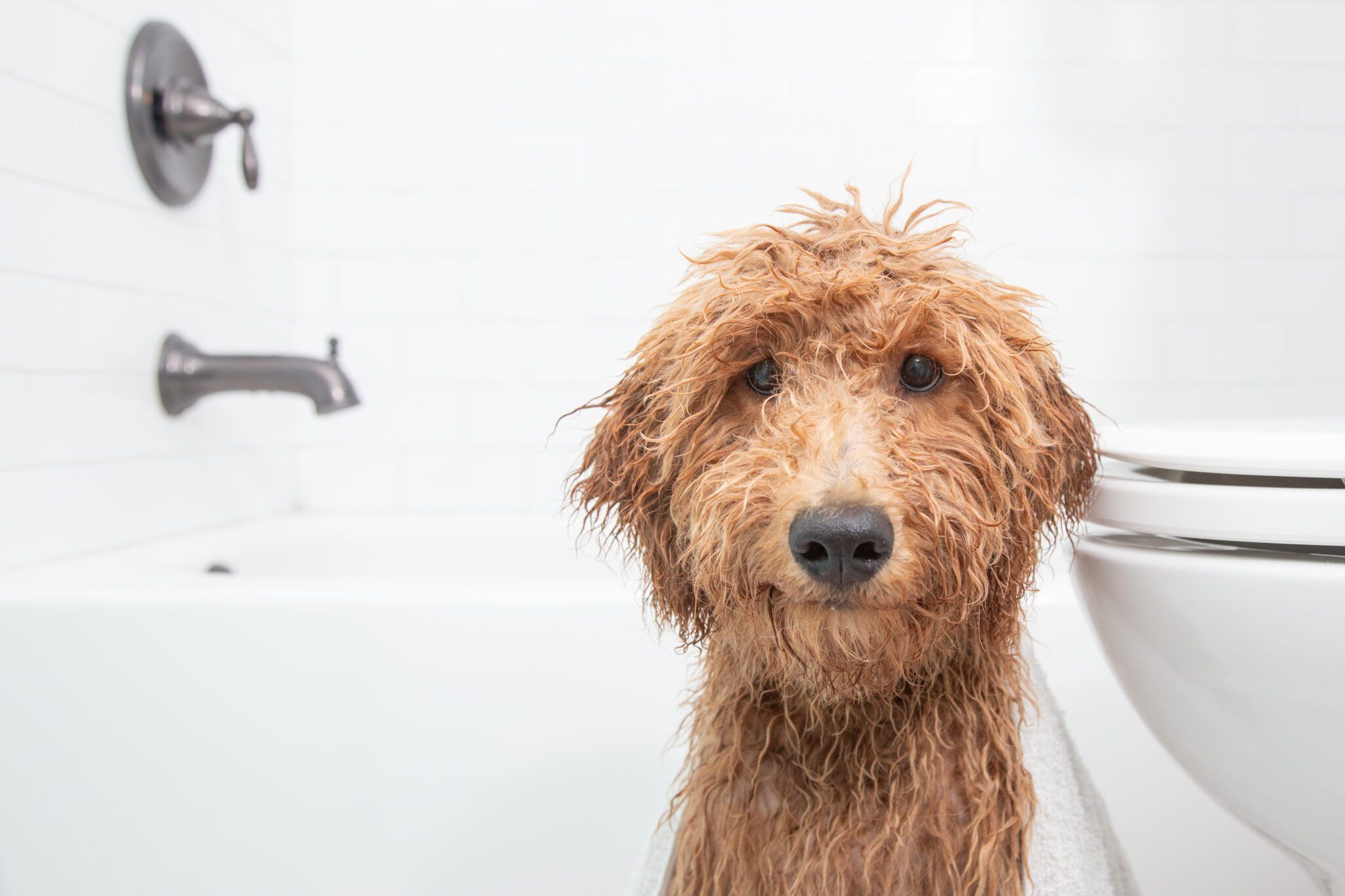
Image Source: cdn.whole-dog-journal.com
Why Choose Natural Dog Washing?
Many commercial dog shampoos contain strong detergents, artificial perfumes, and preservatives. These ingredients can sometimes strip the natural oils from your dog’s coat. This stripping leaves the skin dry, itchy, or irritated. For sensitive dogs, switching to alternative dog bathing methods is often a good idea.
Benefits of Going Soap-Free
Switching to water only dog washing or using gentle natural rinses offers several perks:
- Less Irritation: Reduces the risk of allergic reactions or dryness.
- Preserved Natural Oils: Keeps the coat healthy and naturally shiny.
- Cost Savings: Many ingredients are already in your pantry.
- Environmental Friendliness: Fewer chemicals go down the drain.
It is important to note that while these methods work well for regular cleaning and light dirt, they may not provide the deep degreasing power of specialized shampoos for heavy grease or specific medical needs.
Simple Water-Only Washing Technique
For a dog that is only slightly dusty or needs a quick freshening, sometimes plain water is enough. This is the most basic form of water only dog washing.
Step-by-Step Water Bathing
- Prepare the Area: Use a tub or safe outdoor space. Warm the water slightly.
- Wet Thoroughly: Soak your dog completely from neck to tail. Ensure water reaches the skin, especially in thick coats.
- Manual Scrubbing: Use your hands to gently scrub the dirt and loose hair off. Focus on areas like the legs and belly where dirt gathers most.
- Rinse Extensively: This is the most crucial step. Rinse and rinse again. You must ensure all loose dirt particles are gone. Any remaining grit can still cause mild irritation if left on the skin.
- Drying: Towel dry well. Finish with a brush once dry to remove loose undercoat.
If your dog is smelly or visibly soiled, plain water will likely not be enough. You will need one of the gentle cleaning agents discussed next.
Creating Your Own Gentle Cleaners: Homemade Dog Shampoo Alternatives
When simple water doesn’t cut it, you can turn to common household items to create a homemade dog shampoo substitute. These options offer mild cleansing action without harsh chemicals.
Using Baking Soda to Wash Dog
Baking soda (sodium bicarbonate) is a fantastic, mild deodorizer and cleanser. It helps neutralize odors trapped in the fur. Using baking soda to wash dog coats is a time-tested method.
How to Use Baking Soda:
- For a Quick Deodorizing Bath: Mix about 1/4 cup of baking soda into a gallon of warm water. Pour this mixture over your dog after a thorough soaking with plain water.
- For Mild Dirt: Make a paste using baking soda and a little water. Rub this paste gently onto dirty areas.
- The Rinse: After letting the paste sit for just a minute or two, rinse the dog extremely well with clean, warm water.
Important Safety Note: Do not use excessive amounts. Baking soda is safe when rinsed well, but too much can still be drying if left on the skin.
The Soothing Power of Oatmeal
If your dog has itchy skin, an oatmeal bath for dogs is excellent. Colloidal oatmeal has soothing properties that calm irritated skin. This is a great natural dog wash addition for dry weather or minor scratching.
Preparing an Oatmeal Bath:
- Grind the Oats: You need plain, unflavored rolled oats. Grind them into a fine powder using a blender or food processor until they look like flour. This fine powder is colloidal oatmeal.
- Test the Water: Fill the tub with warm (not hot) water. Sprinkle the ground oatmeal into the running water. Stir it until the water looks milky.
- Soak: Place your dog in the bath. Allow them to soak for 10 to 15 minutes.
- Gentle Cleaning: Gently massage the milky water into the coat. For cleaning, focus on areas needing light scrubbing.
- Rinsing: The rinsing part is key here. While plain water is often recommended after an oatmeal bath, ensure you rinse off any heavy residue, focusing on the armpits and groin area.
Apple Cider Vinegar: The Perfect Final Rinse
While not a primary cleanser, vinegar rinse for dog coats is a superb addition after any natural dog wash. Apple Cider Vinegar (ACV) helps balance the skin’s pH, adds shine, and deters fleas slightly.
How to Create a Vinegar Rinse:
Mix one part ACV to ten parts water. For example, 1/2 cup of ACV in 5 cups of water.
Application:
- After thoroughly rinsing any other cleaning agent (like baking soda), pour the diluted ACV mixture slowly over your dog’s body.
- Avoid the eyes and inner ears carefully.
- Do not rinse this mixture off. The water-vinegar scent dissipates as the dog dries, leaving a clean, shiny coat.
Table 1: Natural Cleaning Agents Summary
| Natural Agent | Primary Benefit | Best Use Case | Caution |
|---|---|---|---|
| Plain Water | Basic dirt removal | Light dust, quick refresh | Does not remove odors or heavy soil |
| Baking Soda | Deodorizing, mild cleaning | Odors, light grime | Must be rinsed thoroughly |
| Colloidal Oatmeal | Soothing, anti-itch | Dry, irritated skin | Requires significant rinsing to avoid residue |
| Apple Cider Vinegar | pH balance, shine | Final rinse after cleaning | Must be heavily diluted; avoid eyes |
Deciphering the Best Approach for Different Messes
The mess dictates the cleaning method. You wouldn’t use the same process for mud as you would for a dog that just rolled in something smelly.
Tackling Heavy Mud and Dirt
When dealing with heavy outdoor grime, your goal is mechanical removal first, then a gentle cleanse.
- Pre-Rinse: Use the hose or showerhead on a medium setting to blast off as much loose mud as possible before entering the tub. Let the dog stand in a bucket of warm water to soften the mud first if necessary.
- Targeted Scrub: Use just your hands or a soft rubber brush to work through any remaining thick clumps.
- Baking Soda Wash: Follow up with a baking soda mixture (as described above) to lift embedded dirt and neutralize smells.
- Final Rinse: Rinse completely with warm water.
Dealing with Odors Without Soap
Bad smells often come from bacteria growth or trapped oils that plain water misses. This is where deodorizers shine.
If you need to bathe dog without soap because of odor, try this sequence:
- Water rinse.
- Apply a generous coating of baking soda paste (just enough to coat the smelly area).
- Let it sit for 5 minutes.
- Rinse thoroughly.
- Follow with a light ACV rinse for extra odor neutralization.
For Dogs with Very Sensitive Skin
If your dog has known allergies or chronic skin issues, stick to the gentlest options.
The water only dog washing technique is the safest starting point. If that fails, move to a pure oatmeal bath soak. Avoid baking soda initially, as its alkalinity can sometimes irritate the most sensitive skin types, even if generally safe. Always patch test any new substance on a small area first.
Fathoming Rinsing Dog Without Shampoo
When you use natural methods, rinsing dog without shampoo residue is critical, especially if you used something slightly more abrasive like baking soda. If residue remains, it can irritate the skin or attract new dirt quickly.
Techniques for Superior Rinsing
Effective rinsing ensures all cleaning agents are gone.
- Use High Volume Water: Use a showerhead with good pressure or a strong stream from a hose.
- Rinse From Top Down: Start at the neck and let the water flow over the back, sides, legs, and finally the belly. This helps guide dirty water away from clean areas.
- Check Under Flaps: Pay close attention to areas where skin folds or where the coat is thickest (under the legs, around the tail, and neck). Use your fingers to part the fur while rinsing to ensure water penetrates to the skin level.
- The Squeak Test (Use Caution): Some people say a clean dog’s coat feels slightly “squeaky” when you rub it after rinsing. However, be careful—a coat that feels too squeaky might mean you have stripped too much oil, which water alone usually doesn’t cause.
Comparing Alternative Dog Bathing Methods
How do these dog cleaning methods without commercial products stack up against using a traditional store-bought cleanser?
| Feature | Water Only Wash | Baking Soda Wash | Oatmeal Bath | Commercial Shampoo |
|---|---|---|---|---|
| Cleaning Power | Low | Medium | Low (Soothing Focus) | High |
| Deodorizing | Very Low | High | Low | High |
| Skin Safety | Highest | High (If Rinsed) | Highest (Soothing) | Variable (Can be harsh) |
| Effort Required | Low | Medium (Paste/Rinse) | High (Soaking time) | Medium (Lather/Rinse) |
Avoiding DIY Pitfalls
While embracing a natural dog wash is great, some internet “recipes” are dangerous. Never use harsh household cleaners on your dog.
Substances to Absolutely AVOID:
- Dish soap (unless it is a specialized veterinary formula for fleas—regular dish soap is too harsh).
- Human shampoo or body wash.
- Detergents or laundry soap.
- Essential oils directly applied (many are toxic to dogs).
If you are looking for a gentle commercial option, look for products labeled “hypoallergenic” or those using very few ingredients. However, for general cleaning, the homemade options are often safer and just as effective when done right.
Extending Time Between Baths with Natural Grooming
The best way to avoid constant bathing, whether with or without shampoo, is good maintenance. Regular brushing removes dirt, loose hair, and dander before they become a problem requiring a full bath.
Essential Brushing Routine
Brushing stimulates blood flow and distributes natural skin oils along the hair shaft, keeping the coat healthier.
- Daily Brushing: For long-haired or double-coated breeds (e.g., Goldens, Huskies).
- Weekly Brushing: For short-haired breeds (e.g., Beagles, Boxers).
Spot Cleaning Between Full Washes
For small, localized messes, spot cleaning is a lifesaver.
- Damp Cloth Wipe: Use a warm, damp cloth to wipe down muddy paws or drool patches.
- DIY Waterless Foam: Mix a small amount of baking soda with water to create a light foam. Gently rub this foam onto the dirty spot, let it sit for 30 seconds, and wipe clean with a separate damp towel. This avoids a full soak when only one area is soiled.
Frequently Asked Questions (FAQ) About Washing Dogs Naturally
Q1: How often should I bathe my dog if I am using natural methods?
A: This depends entirely on your dog’s lifestyle. If your dog is active outdoors or prone to smells, they might need a bath every 2-4 weeks. If they are indoor pets, bathing once every 1-3 months with a gentle natural dog wash is often enough. Over-bathing, even with gentle methods, can dry out the skin.
Q2: Can I use regular cooking vinegar instead of Apple Cider Vinegar for the rinse?
A: No. Stick to Apple Cider Vinegar (ACV). White distilled vinegar is too harsh and acidic for your dog’s skin and coat. ACV is milder and contains beneficial enzymes.
Q3: Is it safe to use baking soda regularly when I bathe dog without soap?
A: Baking soda is generally safe for occasional use as a deodorizer or light cleanser. However, because it is alkaline, repeated, frequent use (like weekly) might disrupt the natural, slightly acidic pH of the dog’s skin over time. Use it when needed, not necessarily every single time you clean your pet.
Q4: My dog has fleas. Will a water-only bath work?
A: No. Fleas require specific treatments. While a vigorous water only dog washing might knock off some live fleas, it will not treat an infestation or kill flea eggs. You must use a veterinarian-approved flea treatment for active infestations.
Q5: What if my dog gets really greasy? Can natural products handle that?
A: Heavy grease is where natural methods struggle most. If your dog rolls in grease or oil, you might need a stronger degreaser, often found in specialized commercial products or veterinary shampoos designed for oil removal. For mild, natural oils (like those from their skin), baking soda can help lift some, but very heavy oil requires significant friction and possibly a mild surfactant.