
The simple answer to how often you should wash a dog is: It depends. There is no single, fixed schedule that works for every dog. Most veterinarians suggest bathing your dog every four to twelve weeks. This wide range shows how much dog bathing frequency varies based on your dog’s breed, lifestyle, skin condition, and activity level. Giving your dog a bath too often or too infrequently can both cause issues for their dog skin and coat health. This guide will help you set the right canine hygiene schedule for your furry friend.
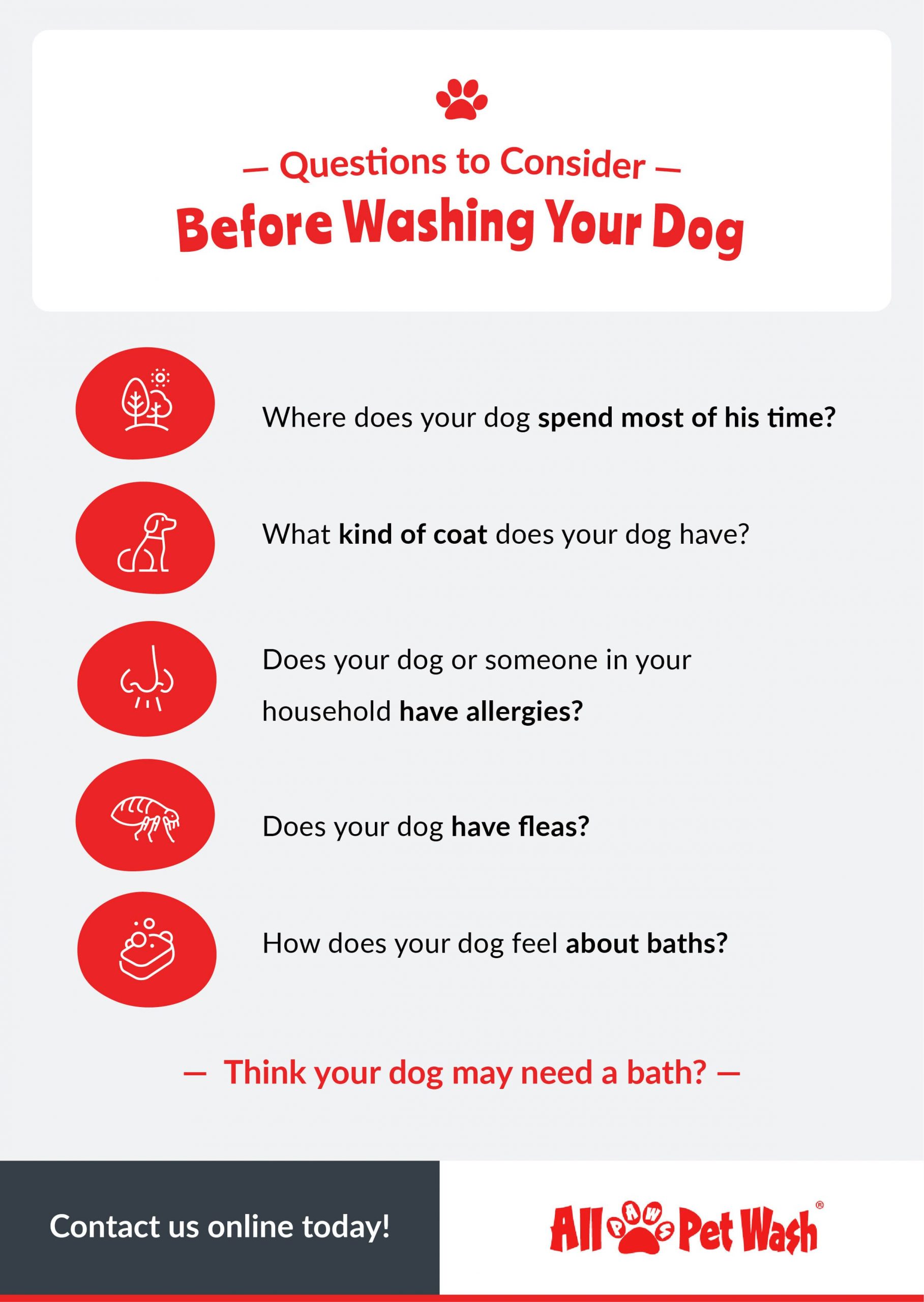
Image Source: allpawspetwash.com
Deciphering the Optimal Dog Washing Interval
Setting the right time between baths is key to keeping your dog clean and healthy. It is a balancing act. You want to remove dirt and odors without stripping away natural oils. These oils protect their skin and keep their coat shiny.
Key Factors Affecting Dog Bathing Needs
Several things change how often your dog needs a bath. Think about these points when setting your optimal dog washing interval:
Breed and Coat Type
Different coats need different care. Some dogs have short, smooth coats. Others have thick, double coats or long, flowing hair.
| Coat Type | Example Breeds | Typical Bathing Needs |
|---|---|---|
| Short & Smooth | Beagles, Pointers, Boxers | Less frequent; every 6-10 weeks. |
| Oily/Water-Resistant | Labradors, Cocker Spaniels | Needs more frequent bathing (every 4-6 weeks) to manage oil. |
| Curly/Hypoallergenic | Poodles, Portuguese Water Dogs | Often need professional grooming and bathing every 3-5 weeks. |
| Double Coat | Huskies, Golden Retrievers | Need less frequent bathing (every 8-12 weeks) unless very dirty. |
If your dog sheds a lot, regular brushing helps remove dead hair. This often reduces the need for immediate bathing.
Lifestyle and Environment
A dog who rolls in mud daily clearly needs more baths than one who mostly stays inside.
- Indoor Dogs: Dogs living mostly inside usually need baths less often. Perhaps once every one to two months.
- Outdoor Dogs/Active Dogs: Dogs who hike, swim often, or play hard outside will need more regular cleaning.
- Working Dogs: Dogs with jobs, like herding or hunting, might need baths weekly.
Skin and Coat Condition
Some dogs have skin issues. Allergies, dry skin, or skin infections might mean the vet suggests special medicated baths. In these cases, the vet sets the schedule, which could be weekly.
The Danger of Too Often Bathing a Dog
Many people think more bathing means a cleaner dog. This is not always true. Too often bathing a dog is a common mistake. It can lead to real skin problems.
When you bathe a dog, the shampoo washes away natural skin oils (sebum). These oils are like nature’s conditioner. They keep the skin moisturized and protect against irritants.
If you bathe a dog too frequently (e.g., weekly for a dog that only needs monthly bathing):
- The skin dries out badly.
- It can cause itching and flaking, similar to human dandruff.
- The skin might try to overcompensate by producing more oil. This leads to a greasy coat faster.
- It strips away good bacteria that help keep the skin healthy.
For most healthy dogs, bathing more than once a month is generally not needed unless they get visibly dirty or smelly.
Identifying Signs Your Dog Needs a Bath
How do you know it is time? Relying solely on a calendar can miss cues. Look for these clear signs your dog needs a bath:
The Sniff Test
This is the oldest trick in the book. If you walk into the room and immediately smell “dog,” it is time. However, remember that some breeds naturally have a stronger scent than others, often due to oil glands.
Visible Grime and Debris
Check your dog’s coat, especially after outdoor play.
- Are there visible clumps of dirt or mud?
- Is there pollen sticking to their fur after a walk in the park?
- Do they have grease or residue on their coat?
If you can see it, it needs to go.
Skin Irritation or Excessive Scratching
If your dog is constantly scratching, licking, or biting at their skin, it could be a sign of irritation. This irritation might stem from built-up dirt, allergens trapped in the coat, or an imbalance caused by infrequent bathing that has led to dryness.
Changes in Coat Texture
A healthy coat should feel soft and smooth. If it feels sticky, brittle, waxy, or excessively oily to the touch, it signals that the natural oils are either depleted (too dry) or excessive (too dirty).
Odor Lingering After Brushing
If you brush your dog thoroughly and the smell persists, the odor is likely embedded in the skin oils, not just loose hair. This means a bath is the next step.
Specialized Bathing Needs: Age and Health Status
The general rules change when dealing with very young puppies or older senior dogs. Their skin is more delicate.
Bathing Newborn Puppies
When to bathe newborn puppies is a critical question for new owners. The general rule is: Do not bathe newborn puppies unless absolutely necessary.
Puppies cannot regulate their body temperature well. Removing their natural oils with water and soap can cause them to get cold too quickly, leading to hypothermia.
- Wait Period: Most vets advise waiting until puppies are at least 8 weeks old, or until they have finished their initial vaccination series, before giving them a full bath.
- Spot Cleaning: If a newborn puppy gets something messy on them (like stool), gently use a warm, damp washcloth to spot-clean only the affected area. Keep the rest of the body dry and warm.
When to Bathe a Senior Dog
Caring for when to bathe a senior dog requires extra gentleness. Older dogs often have thinner skin that dries out more easily. They may also have arthritis, making standing in a tub uncomfortable.
- Gentle Products: Always use lukewarm water and very mild, moisturizing shampoos formulated for sensitive skin.
- Less Frequency: Stick to the longer end of the optimal dog washing interval, perhaps every 8 to 10 weeks, unless medically required.
- Comfort First: Use a non-slip mat. Keep the bathing time short. If the dog struggles, consult a groomer experienced with geriatric pets.
Products and Techniques for Optimal Dog Skin and Coat Health
The shampoo you use matters as much as how often you use it. Choosing the right products directly impacts dog skin and coat health.
Choosing the Right Shampoo
Never use human shampoo on a dog. Human skin pH is very different from canine skin pH. Using the wrong product will quickly lead to dryness and irritation.
Look for shampoos that are:
- pH-Balanced for Dogs: This ensures it matches the dog’s natural skin acidity.
- Moisturizing: Ingredients like oatmeal, aloe vera, or vitamin E are excellent.
- Hypoallergenic: If your dog has known allergies, choose fragrance-free, dye-free formulas.
The Rinsing Rule: Rinse, Rinse, Rinse
The most common mistake people make is not rinsing thoroughly enough. Soap residue left on the coat is a major cause of post-bath itching and flakes. Rinse until the water runs completely clear. Then, rinse again!
Drying Matters
Damp coats can lead to hot spots or yeast growth, especially in thick-coated breeds.
- Towel dry vigorously first.
- If you use a hairdryer, use the lowest heat setting possible. Always keep the dryer moving so you don’t burn the skin. A low-speed, cool setting on a high-velocity dryer works best for most dogs.
Managing Odor Between Baths: Natural Dog Odor Control
A great canine hygiene schedule incorporates maintenance between full baths. You can significantly prolong the time between washes by managing scent naturally. This is key for natural dog odor control.
The Power of Daily Brushing
Brushing does more than remove loose hair. It stimulates blood flow to the skin. It also moves dirt and dead skin cells off the coat. This process naturally distributes the skin’s oils, keeping the coat shiny and reducing musty smells.
Waterless Options
For quick clean-ups or in between baths, waterless products are fantastic tools.
- Grooming Wipes: Use these to clean paws, faces, or rear ends after outdoor trips. Look for wipes containing natural deodorizers like witch hazel or mild essential oils (check safety first).
- Dry Shampoos/Sprays: These powders or sprays absorb excess oil and sweat. Lightly dust the coat, let it sit for five minutes, and then brush it out thoroughly. This is great for a quick refresh.
Diet and Health Connection
Sometimes, bad odor comes from the inside out. Poor diet can cause skin imbalances, leading to a stronger natural dog smell.
- Ensure your dog eats high-quality food rich in Omega-3 fatty acids. These fats are vital for healthy skin barrier function.
- Regular veterinary checks are essential. Sometimes persistent odor is a sign of underlying issues like ear infections, dental disease, or anal gland problems, not just a dirty coat.
Special Situations Affecting Your Schedule
Certain events or circumstances demand an immediate change in your regular dog bathing frequency.
Swimming in Lakes, Ponds, or Salt Water
If your dog swims in natural bodies of water, they must be rinsed immediately after.
- Stagnant Water: Ponds and lakes can harbor bacteria, algae, and parasites.
- Salt Water: Ocean water dries the skin rapidly and can cause severe irritation if left on the coat.
A quick rinse with fresh water is essential, even if a full bath must wait a day or two.
Dealing with Allergens
If your dog suffers from seasonal allergies, they often get coated in pollen. This pollen sitting on the skin can cause intense itching. In these periods, wiping down the dog with a damp cloth or using a very mild, vet-approved cleansing spray daily can help remove allergens without stripping the skin entirely.
When Medical Needs Dictate Frequency
Never override a veterinarian’s advice regarding bathing.
If your dog has a specific skin condition, such as yeast overgrowth or bacterial dermatitis, the vet may prescribe a medicated shampoo. These shampoos often need to sit on the skin for 5 to 10 minutes and might need to be used two or three times a week to treat the infection effectively. In this scenario, the medical need outweighs the concern about stripping oils.
Setting Up a Realistic Canine Hygiene Schedule
To build a practical routine, review all the factors affecting dog bathing needs listed above and apply them to your dog.
A Step-by-Step Guide to Scheduling
- Assess Baseline Needs: Based on breed and environment, what is the longest you can comfortably wait? (e.g., 6 weeks for a short-haired indoor dog).
- Incorporate Maintenance: Add weekly deep brushing sessions and daily paw/face wipes if needed.
- Note Exceptions: Mark down events that require immediate attention (e.g., muddy hikes, rolling in something smelly).
- Check Coat Condition Monthly: Physically feel the coat and skin at the 4-week mark. Does it smell? Is it excessively greasy? If the answer is no, push the bath back another two weeks.
- Adjust for Seasons: Dogs might need slightly more frequent bathing in humid summers to combat sweat and smell, and slightly less in dry winters to prevent dry skin.
Table: Sample Bathing Schedules for Different Dogs
This table provides a starting point for your canine hygiene schedule. Always adjust based on observation.
| Dog Profile | Base Frequency Guideline | Between-Bath Maintenance | Watch For |
|---|---|---|---|
| Short-Haired Couch Potato | Every 8-10 weeks | Weekly brushing, wipe paws after potty breaks. | Sudden increase in scratching. |
| Active, Shedding Retriever | Every 6-8 weeks | Daily brushing, use waterless spray after long walks. | Dull coat texture. |
| Oily Breed (e.g., Basset Hound) | Every 3-4 weeks | Wipe ears and skin folds daily; use deodorizing wipes. | Strong, persistent odor. |
| Long-Haired, Show Dog | Every 4-5 weeks (needs more frequent upkeep) | Daily line brushing to prevent mats; use conditioning spray. | Matting near friction points (armpits, behind ears). |
FAQ Section
How can I make bath time less stressful for my dog?
Start young, even if it is just getting them used to the sound of the water running. Use high-value treats during the bath. Use lukewarm water, not hot. Keep the process quick and positive. Always end on a good note with praise and a favorite toy or treat.
Why does my dog smell bad right after a bath?
This is often called “wet dog smell” or the “post-bath funk.” It happens because water releases volatile organic compounds trapped in the oils and bacteria on the skin. Thorough drying, especially with a cool hairdryer, helps minimize this smell. Using a good quality, mild shampoo also reduces it.
Can I use human dry shampoo on my dog?
No, you should not. Human dry shampoos often contain ingredients like talc or alcohol that can dry out your dog’s skin. Stick to products specifically made for dogs, ensuring they are designed for natural dog odor control without harsh chemicals.
My dog has very dry skin. Should I bathe less?
If your dog has dry skin, you definitely need to reduce the dog bathing frequency. When you do bathe them, use lukewarm water and a very gentle, moisturizing oatmeal shampoo. Do not scrub hard. Finish with a vet-approved skin conditioner or a few drops of natural oil (like coconut oil) rubbed into the coat post-bath.
Does grooming frequency change in the summer versus winter?
Yes. In summer, dogs may roll in more dirt, sweat more, and swim more, slightly increasing the need for baths. In winter, dry indoor heating can dry out the skin, meaning you should stick to the longer end of your optimal dog washing interval to protect dog skin and coat health.