
A dog gets maggots when flies lay eggs on the dog’s body, usually in an area that is dirty, wet, or injured. These eggs hatch quickly into larvae, which we call maggots. This condition is serious and needs fast attention.
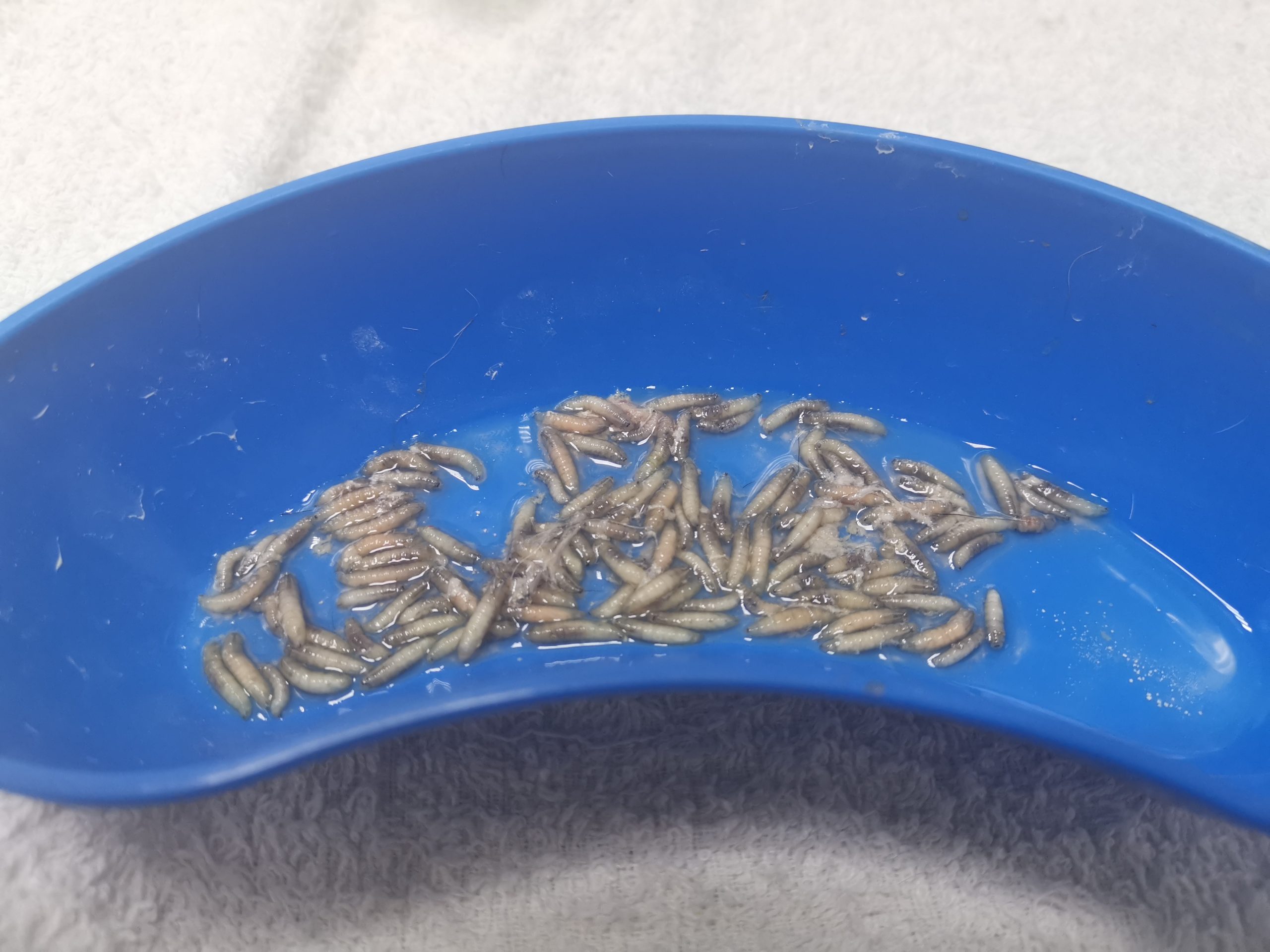
Image Source: oasis-vet.com
Grasping Canine Myiasis: What Are Maggots on Dogs?
Maggots on dogs mean the dog has a condition called canine myiasis. This is when fly larvae develop in the living tissues of an animal. It is not just a sign of poor hygiene; it is a fast-moving medical emergency. The flies that cause this are often blow flies or flesh flies. They are attracted to warmth, moisture, and decaying matter. If you find my dog has maggots, you must act right away.
Why Do Flies Target Dogs?
Flies are drawn to specific conditions on a dog’s body. They do not just randomly drop eggs. They seek out places where the eggs can survive and hatch into hungry larvae.
Factors Attracting Flies
- Open Wounds: Any cut, scrape, or surgical incision provides a perfect site. Flies are highly drawn to the smell of blood and tissue.
- Moisture and Poor Grooming: Matted fur holds moisture next to the skin. This damp environment is ideal for eggs to hatch. Dirty ears or irritated skin also invite trouble.
- Body Openings: Areas like the eyes, nose, mouth, and rectum are vulnerable if they have discharge or feces present.
- Skin Issues: Conditions that cause skin breakdown, like severe allergies or untreated infections, become targets. A dog hot spot maggot infection is common because hot spots are moist and raw.
- Incontinence or Immobility: Older, sick, or disabled dogs who cannot clean themselves properly are at very high risk. Feces stuck to the fur around the rear end is a major lure for flies.
The entire process, from the fly laying eggs to having a visible dog wound infestation, can happen in just a few days, especially in warm weather.
Identifying the Danger: Signs of Maggot Infestation in Pets
Early detection is key to successful treatment. If you suspect an issue, you need to know what to look for. Spotting the problem early means less damage to your pet. Look for these key signs of maggot infestation in pets.
Behavioral Changes
Dogs often act differently when they are in pain or discomfort caused by pests.
- Excessive licking or chewing at one spot.
- Restlessness or an inability to settle down.
- Whining, crying, or showing signs of pain when touched.
- Reluctance to eat or drink.
Physical Indicators
These are the direct signs you can see or smell.
- Foul Odor: A distinct, foul smell coming from a specific area of the dog’s body is a major warning sign. This smell often means tissue is dying or infected.
- Visible Movement: If you see small, creamy-white, rice-like forms wiggling or moving in a wound or moist area, you have maggots. If you think, “my dog’s wound is crawling,” you must check immediately.
- Skin Lesions: You might see weeping sores, open wounds, or areas where the skin looks eaten away or ragged.
- Swelling and Inflammation: The area around the infestation will often look red, swollen, and feel hot to the touch.
- Discharge: Pus or bloody discharge coming from a wound or body opening.
If you notice any of these signs, especially near a wound or matted area, treat it as an emergency.
Addressing the Problem: Treating Maggots on a Dog
If you confirm my dog has maggots, professional veterinary care is non-negotiable. This is not a home remedy situation. Treating maggots on a dog requires careful, clean removal and medical follow-up.
Immediate Steps Before Seeing the Vet
While you arrange the emergency visit, you must keep the dog calm and prevent the maggots from burrowing deeper.
- Do Not Panic: Keep yourself and your dog calm. Stress can make the situation worse.
- Isolate the Area: Gently place a towel around the dog to catch any loose maggots.
- Avoid Smothering Agents: Do not pour substances like Vaseline, oil, or alcohol into the wound. These can cause the maggots to burrow deeper into the tissue trying to escape the suffocating substance.
- Gentle Cleaning (If instructed by a vet): Only if the vet advises it over the phone, you can gently flush the area with clean, warm salt water (saline). This might encourage some larvae to crawl out.
Veterinary Procedures for Canine Myiasis Treatment
A veterinarian will take several crucial steps for canine myiasis treatment:
Anesthesia and Sedation
For severe infestations, the dog will likely need sedation or general anesthesia. This is necessary so the vet can thoroughly examine and clean the area without causing the dog extreme pain or stress.
Maggot Removal
Removing maggots from dog skin must be done meticulously.
- Manual Extraction: The vet uses forceps or gloved fingers to gently pull out the larvae. Each one must be accounted for.
- Topical Treatments: Medicated washes or specific insecticidal ointments may be used after the bulk of the visible larvae are gone. These help remove deep-burrowing larvae and treat secondary infections. Ivermectin or other parasite controls might be used based on the vet’s assessment.
Wound Debridement and Care
Once the larvae are out, the vet cleans the deep wound (debridement). This removes dead or dying tissue that the maggots have damaged.
- Wound Lavage: The area is flushed thoroughly with sterile solutions to clear bacteria.
- Antibiotics: Because maggot infestation almost always leads to serious secondary bacterial infections, a course of appropriate antibiotics is essential.
- Dressing: The wound is dressed with specialized bandages to keep it clean and moist until healing begins.
Recovery often takes time, requiring daily wound checks and bandage changes.
Why Hot Spots Become Breeding Grounds
A dog hot spot maggot infection highlights how quickly minor skin irritations can become major emergencies. Hot spots (acute moist dermatitis) are raw, open sores. They are constantly damp, inflamed, and often oozing.
Flies see these spots as perfect nursery environments. The warmth and moisture speed up the egg-hatching process. If a hot spot is large, deep, or located in a hard-to-reach area like the flank or groin, infestation can occur before the owner notices the sore is worsening. Effective hot spot management is a form of myiasis prevention.
Preventing Fly Larvae in Dogs: Proactive Care
The best way to deal with maggots is to stop them from ever taking hold. Preventing fly larvae in dogs involves strict hygiene and environmental control, especially during warmer months.
Maintaining Excellent Hygiene
Keep your dog’s coat clean and dry at all times.
- Daily Brushing: Remove mats quickly. Matted fur traps moisture and dirt, creating a perfect hiding spot for eggs.
- Bathing Routine: Bathe your dog regularly with appropriate dog shampoo. Ensure the coat is dried completely afterward, paying special attention to skin folds and dense areas.
- Addressing Incontinence: If your dog has accidents, clean them immediately. For elderly or sick dogs, use doggie diapers or frequent gentle cleaning around the rear end.
Managing Wounds and Skin Issues
Never ignore a skin irritation, no matter how small it seems.
- Immediate Care: Treat all cuts, scratches, or punctures immediately. Clean them with antiseptic wash and apply a protective, vet-approved dressing.
- Controlling Allergies: Work closely with your vet to manage chronic skin allergies that lead to excessive scratching and open sores.
Environmental Control
Reduce the fly population around your home and yard.
| Prevention Tactic | Action to Take | Why It Works |
|---|---|---|
| Waste Management | Securely cover all trash cans. Clean up pet waste from the yard daily. | Flies breed rapidly in garbage and feces. |
| Fly Repellents | Use veterinarian-approved fly sprays or topical treatments recommended for your dog’s breed and age. | These products deter adult flies from landing and laying eggs. |
| Yard Maintenance | Keep grass short. Remove dead leaves or piles of decaying organic material. | Decreases available breeding spots for flies near your dog. |
| Screening | Ensure windows and doors have intact screens to keep flies out of the house. | Prevents indoor flies from accessing your pet. |
Remember, even indoor dogs can get fly strike if flies manage to get inside and find a vulnerable spot, like an old, healing injury.
Differentiating Myiasis from Other Skin Issues
Sometimes owners mistake other skin conditions for maggot infestations. It is crucial to know the difference so you seek the right help.
Hot Spots vs. Infestation
A hot spot is red, wet, and painful. It is an acute skin inflammation. Maggot infestation can occur within a hot spot, but the hot spot itself is not maggots. If you see movement or smell something deeply rotten, it is beyond a simple hot spot.
Parasite Comparison
Fleas and ticks cause intense itching and irritation, but they do not cause rapid tissue destruction or leave behind rice-like, moving larvae. If you see tiny black dots (flea dirt) or blood-sucking arachnids, those are different parasites requiring different treatments.
The Role of Underlying Health in Infestation Risk
A dog’s general health status plays a huge role in susceptibility to myiasis. A strong immune system and healthy skin are better defenses.
Compromised Immunity
Dogs suffering from chronic illnesses, cancer, Cushing’s disease, or other immune-suppressing conditions are less able to fight off infections that might attract flies, and they heal slower from injuries.
Mobility Issues
Dogs that are weak, paralyzed, or recovering from major surgery cannot groom themselves effectively. This leads to urine, feces, or wound discharge accumulating on the coat, which acts like a beacon for egg-laying flies. Close monitoring and assistance with hygiene become mandatory for these dogs.
What Happens If You Ignore Maggots?
Ignoring a dog wound infestation is extremely dangerous. Maggots eat dead and living tissue. As they grow, they create tunnels in the flesh.
- Deep Tissue Damage: They can tunnel deep under the skin, destroying muscle, fat, and even bone if left untreated.
- Systemic Infection: The bacteria they carry, combined with the open wound, leads to severe sepsis (blood poisoning).
- Pain and Suffering: The infestation causes intense, chronic pain for the dog.
- Fatal Outcome: Untreated, severe myiasis is often fatal due to overwhelming infection and organ failure.
This is why early intervention when you suspect “my dog’s wound is crawling” is a life-saving measure.
Frequently Asked Questions (FAQ)
Can a dog get maggots just from being outside?
Yes. If an adult fly carrying eggs lands on the dog, especially near an area that is attractive (like a small scratch or matted fur), the eggs can hatch quickly outdoors. Direct contact with an infested source, like rotting food or carrion, can also transfer eggs to the dog’s coat.
Are human fly repellents safe to use on dogs to prevent maggots?
No. Many insect repellents formulated for humans contain chemicals that are toxic to dogs, even in small amounts. Always use products specifically labeled as safe for dogs and consult your veterinarian before applying anything near a wound or sensitive area.
How fast do fly eggs turn into maggots?
In warm conditions (above 70°F or 21°C), fly eggs can hatch within 8 to 24 hours. Larvae can mature to the stage requiring medical removal within just 3 to 7 days, depending on the species of fly and food availability.
Can I use over-the-counter topical treatments for removing maggots?
While some commercial products claim to help draw maggots out, it is safest to have a veterinarian perform removing maggots from dog skin, especially if they are embedded. Incorrect application can push larvae deeper. Professional removal under sedation ensures all larvae are safely extracted without causing further trauma.
What should I do if I find maggots in my dog’s ear?
An ear infestation is a severe emergency due to the risk of damaging the eardrum and inner ear structures. Do not attempt to flush the ear yourself. Get your dog to an emergency vet immediately. They will use specialized tools and likely sedation to safely remove the larvae and treat the infection.