
If your dog has a seizure, the first thing you must do is keep your dog safe from injury and time how long the seizure lasts. A seizure is a sudden, uncontrolled burst of electrical activity in the brain. It can look scary, but knowing basic dog seizures first aid can help you manage the situation calmly.
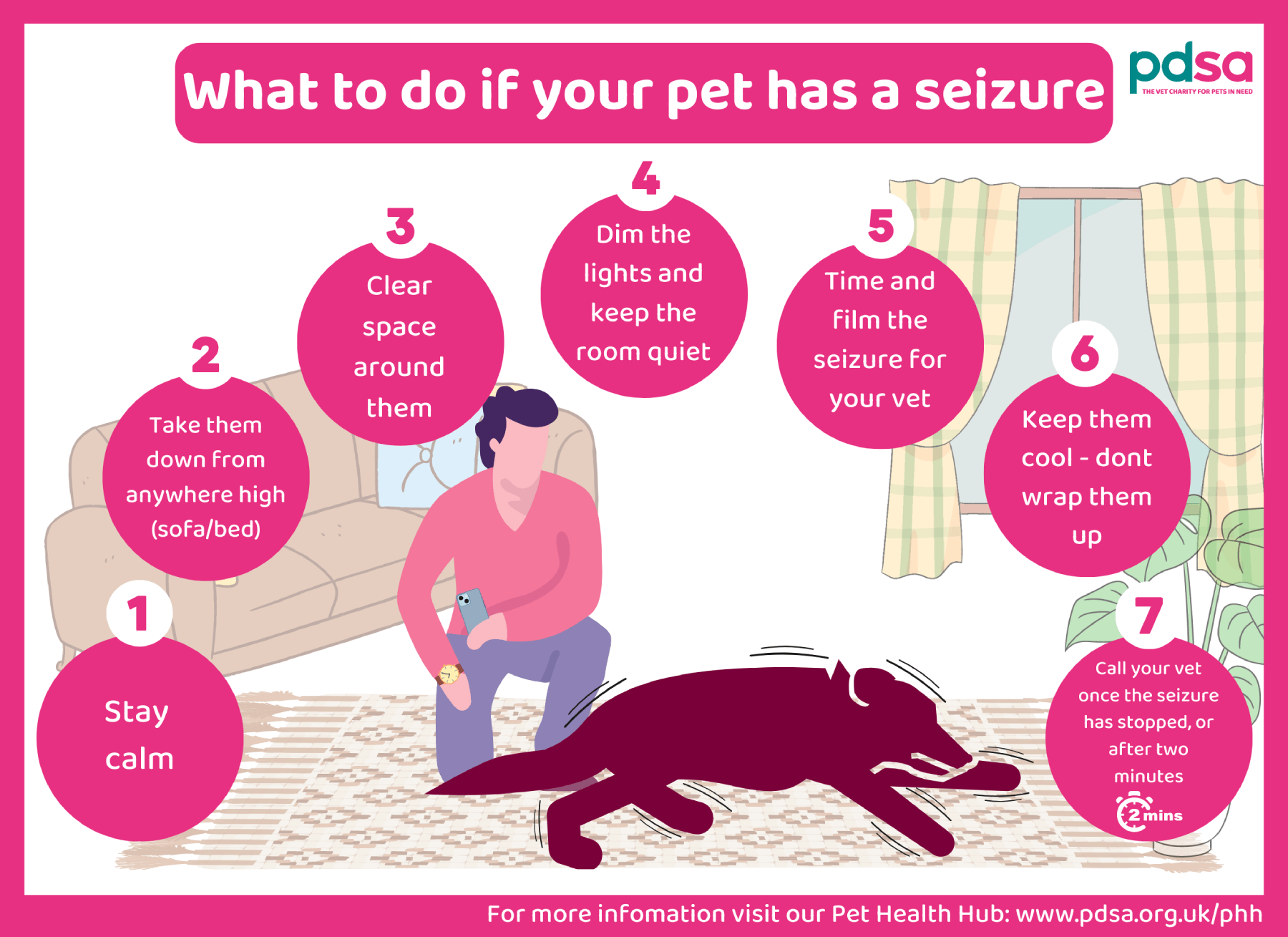
Image Source: www.pdsa.org.uk
Recognizing Canine Epilepsy Signs
Not all fits look the same. Some dogs may have a full-blown convulsion, while others might just look confused or weak. Recognizing canine epilepsy signs early is key to providing quick help.
Types of Seizures in Dogs
Dogs can experience several types of fits. Knowing the type helps you interpret what is happening during the event.
- Generalized Seizures (Grand Mal): This is the most common and dramatic type. Your dog might collapse. They may paddle their legs. They might lose bladder or bowel control. Foaming at the mouth is common.
- Focal Seizures (Partial Seizures): These affect only one part of the body. Your dog might twitch one leg, turn their head repeatedly, or drool excessively without losing consciousness fully.
- Psychomotor Seizures: These involve strange behaviors. The dog might suddenly chase its tail, appear fearful, or react strangely to normal sounds or objects.
Distinguishing Dog Passing Out vs Seizure
Many owners wonder, what to do when a dog convulses versus when they just pass out? It is vital to tell the difference between a dog passing out vs seizure.
| Feature | Seizure (Fit) | Fainting (Syncope) |
|---|---|---|
| Consciousness | Lost, but may regain slowly | Lost suddenly |
| Body Movement | Rhythmic jerking, paddling, stiffening | Sudden collapse, limp body |
| Salivation/Urination | Often happens during or after | Less common |
| Recovery | Gradual return to normal, often confused | Quick recovery once standing |
| Duration | Usually seconds to a few minutes | Very brief, moments |
If your dog collapses without any rhythmic movements, it might be fainting. However, if you are unsure, treat it as a seizure until a vet confirms otherwise.
Identifying Dog Seizure Stages
A seizure event usually has three distinct phases. Identifying dog seizure stages helps you know when the danger period ends.
The Pre-Ictal Stage (Aura)
This is the time right before the fit starts. Some dogs sense it is coming. They might hide, seek comfort from their owner, whine, or act anxious. This stage is very short.
The Ictal Stage (The Actual Seizure)
This is the active phase of the fit. This is when the actual convulsing happens. Your dog loses control of its body movements. Keep watch during this stage.
The Post-Ictal Stage (Recovery)
This is the time after the fit stops. Your dog will slowly come back to normal. They might be very tired, blind temporarily, very thirsty, or confused. This phase can last minutes or even hours.
Dog Seizures First Aid: Immediate Steps During a Fit
Your main job during a seizure is safety—for your dog and for yourself. Never try to hold your dog down or put anything in its mouth.
Securing the Area
When you see the fit start, act fast. Follow these steps for immediate dog seizures first aid:
- Stay Calm: Your dog cannot hear you or feel you right now. Your panic will not help. Take a deep breath.
- Time the Seizure: Use your phone or watch. Note the exact start and end time. This is crucial information for the vet.
- Move Hazards: Gently move furniture, sharp objects, or stairs away from your dog. Do not move the dog unless it is in immediate danger (like falling down stairs).
- Keep Space: Keep children and other pets far away. A dog in a seizure can bite or flail without meaning to.
- Protect the Head: Place a soft towel or pillow under your dog’s head if possible. Do not force it.
- Do Not Restrain: Never hold your dog still. Do not put your hands or fingers in their mouth. They cannot swallow their tongue, so you will only risk being bitten severely.
- Cool Down (If Needed): If the seizure lasts a long time (over 3 minutes), the dog’s body temperature can rise dangerously high. Gently wipe the dog’s paws and belly with a cool (not icy) damp cloth.
Dog Seizure Duration and Recovery
Knowing the dog seizure duration and recovery expectations helps reduce panic. Most simple seizures last between 30 seconds and 3 minutes. Anything longer than five minutes is a true medical emergency called status epilepticus.
During recovery, your dog may look drunk or blind. Speak softly. Keep the environment quiet and dark. They might walk into things or seem disoriented. This is normal for the post-ictal phase.
When to Worry About Dog Fits
While many single seizures are not immediately life-threatening, there are specific times when you need immediate veterinary help. Knowing when to worry about dog fits saves lives.
Emergency Situations
Call your vet or an emergency clinic right away if:
- The seizure lasts longer than five minutes. This is status epilepticus. It can cause permanent brain damage or death if not stopped by medicine.
- Your dog has multiple seizures back-to-back. If the dog wakes up briefly between fits and then has another one, this is called “cluster seizures.”
- Your dog does not fully regain consciousness between the first and second seizure.
- The dog has never had a seizure before, and this is the first time.
Seeking Immediate Vet Care
If you must go to the emergency vet for dog fit, call them on your way. This allows them to prepare the emergency drugs (like diazepam or midazolam) needed to stop the seizure activity immediately upon arrival.
After the Seizure: Post-Seizure Care for Dogs
Once the fit is over and your dog seems stable, focus shifts to recovery and documentation. Post-seizure care for dogs ensures they heal well and prepares you for the next vet visit.
Documenting the Event
The vet will need detailed notes. Keep a seizure log book or use your phone notes. Record everything you observed:
- Start time and end time.
- What the dog was doing right before (eating, sleeping, playing).
- Specific movements observed (side-to-side eye movement, paddling, stiffening).
- Any loss of bodily control.
- How long the recovery (post-ictal phase) lasted.
- Any medications given (if applicable).
Resting and Hydration
During a seizure, dogs use a lot of energy. They often become very hot and dehydrated.
- Offer small amounts of fresh, cool water frequently. Do not let them gulp large amounts quickly, as this can cause vomiting.
- Keep the dog in a quiet, dark, and cool room to rest.
- Limit activity for the rest of the day. Physical exertion can sometimes trigger another fit soon after the first one.
Contacting Your Veterinarian
Even if the seizure was short and your dog seems fine now, you must contact your vet the next day. They need to run tests to find the cause.
Causes and Diagnosis of Canine Seizures
Seizures happen when brain cells misfire. Finding out why the brain is misfiring is the most important part of long-term management.
Primary vs. Secondary Epilepsy
Vets classify seizures based on the underlying cause.
- Idiopathic Epilepsy (Primary): This is a diagnosis of exclusion. It means the vet cannot find an obvious structural cause in the brain. It is most common in dogs between 6 months and 5 years old. Breeds like Beagles, German Shepherds, and Golden Retrievers are often predisposed.
- Structural Epilepsy (Secondary): This means there is an identifiable physical problem in the brain causing the seizure.
Common Causes of Secondary Seizures
If a dog is older or has an abnormal first seizure, the vet will look for underlying conditions. These include:
- Metabolic Issues: Low blood sugar (hypoglycemia), liver disease (portosystemic shunts), or kidney failure can all affect brain function.
- Intracranial Issues: Brain tumors, strokes, inflammation (encephalitis), or head trauma.
- Toxins: Ingesting rat poison, chocolate, certain plants, or human medications.
Diagnostic Procedures
To rule out secondary causes, your vet will likely recommend blood work and potentially advanced imaging.
- Blood Tests: Check liver and kidney function, blood sugar, and electrolytes.
- Cerebrospinal Fluid (CSF) Tap: This involves taking a sample of the fluid around the brain and spinal cord to check for infection or inflammation.
- MRI/CT Scan: Magnetic Resonance Imaging (MRI) or Computed Tomography (CT) scans are the best tools for spotting brain tumors, bleeding, or physical damage.
Treating Dog Seizures at Home (Management and Prevention)
If your dog is diagnosed with idiopathic epilepsy, the focus shifts to long-term management. Treating dog seizures at home involves strict adherence to veterinary advice regarding medication and lifestyle changes.
Anticonvulsant Medications
If seizures happen frequently (more than once every 1-3 months) or are very severe, the vet will start your dog on daily anti-seizure drugs. These drugs do not cure epilepsy, but they aim to reduce the frequency and severity of the fits.
Common medications include:
- Phenobarbital
- Levetiracetam (Keppra)
- Zonisamide
- Potassium Bromide (often used alongside others)
Crucial Rule: Never stop or change the dose of these medications without talking to your vet first. Abruptly stopping these drugs can trigger a massive seizure immediately.
Monitoring Drug Effectiveness
Your vet will need regular blood tests (every 4-6 months) to check the drug levels in the blood. This ensures the medication is at a therapeutic level—high enough to stop seizures but low enough to avoid poisoning the liver.
Lifestyle Adjustments for Epilepsy Management
A consistent, calm environment helps dogs prone to seizures.
- Consistent Routine: Dogs thrive on routine. Try to feed, walk, and administer medication at the exact same times every day. Sudden changes in routine can sometimes be a trigger.
- Avoidance of Known Triggers: If you notice your dog often seizes after loud fireworks, a stressful car ride, or a specific type of food, try to minimize those exposures.
- Dietary Considerations: While diet alone rarely stops epilepsy, some vets recommend specialized diets high in medium-chain triglycerides (MCTs), which provide an alternative energy source for the brain. Discuss any diet change with your veterinarian.
- Stress Reduction: Keep the home environment peaceful. Loud noises, high excitement, and intense play sessions should be managed carefully, especially in the hours following a seizure.
Emergency Rescue Medication
For dogs on maintenance medication who still have occasional fits, the vet may prescribe an “as-needed” emergency drug. This is often rectal Diazepam or a dissolvable wafer of Midazolam.
The goal of rescue medication is to stop a prolonged seizure before it reaches the critical five-minute mark, preventing the trip to the emergency clinic.
How to Use Rescue Medication:
- Only use this medication if the seizure lasts longer than your vet instructed (e.g., if they said to use it after 3 minutes).
- Administer it exactly as directed by your vet.
- Even if the medication stops the seizure, you still need to call the vet afterwards to report the event.
FAQ Section
Q: Can I give my dog Benadryl for a seizure?
A: No. Benadryl (diphenhydramine) is an antihistamine and is not effective in stopping acute epileptic seizures. Giving it could delay proper treatment if your dog is having a serious, prolonged fit. Always use veterinarian-prescribed rescue medication.
Q: Is a seizure painful for my dog?
A: During the active (ictal) phase, the dog is unconscious and cannot feel pain. However, the post-ictal period can involve soreness, confusion, and exhaustion. The underlying cause, if it is a tumor or infection, might cause discomfort.
Q: How long should I wait before seeking emergency care for a dog fit?
A: If a seizure lasts longer than five minutes, consider it an emergency and go straight to the emergency vet for dog fit. If you have cluster seizures, seek help immediately, even if the individual fits are short.
Q: Can stress cause a dog seizure?
A: While stress does not cause idiopathic epilepsy, it is a known trigger for many dogs already diagnosed with the condition. Managing stress is a key part of post-seizure care for dogs and prevention efforts.
Q: What if my dog foams at the mouth during a seizure?
A: Excessive salivation or “foaming” is very common during a generalized seizure. This is often due to the dog not swallowing saliva while unconscious. It looks alarming but is a normal part of the event.
Q: If my dog has one seizure, will it have them forever?
A: Not necessarily. A first-time seizure might be caused by a temporary issue like low blood sugar or a toxin, which might not happen again. If the cause is idiopathic epilepsy, it usually means the dog will require lifelong medication to manage future episodes.
Q: Can I drive my dog while it is seizing?
A: No. You must stabilize the situation first, or have someone else drive while you monitor. If you must move the dog, move it gently to prevent injury. Never attempt to drive while actively trying to administer first aid.